

Abu Dhabi Freezes $6.5 Billion After Binance Hack
The court wants to stop the stolen tokens from being moved, while Circle, BitGo, and Tether have already frozen parts of the proceeds. The case also involves the FBI and the North Korean group TraderTraitor.
Key Takeaways
- A court in Abu Dhabi ordered Binance to a global freeze of $6.5 billion in crypto from the October hack.
- The order bars Circle and BitGo, among others, from moving stolen assets, while a further hearing is set for December 1.
- Tether froze more than $1.56 billion in USDT; the FBI links the attack to the North Korean group TraderTraitor.
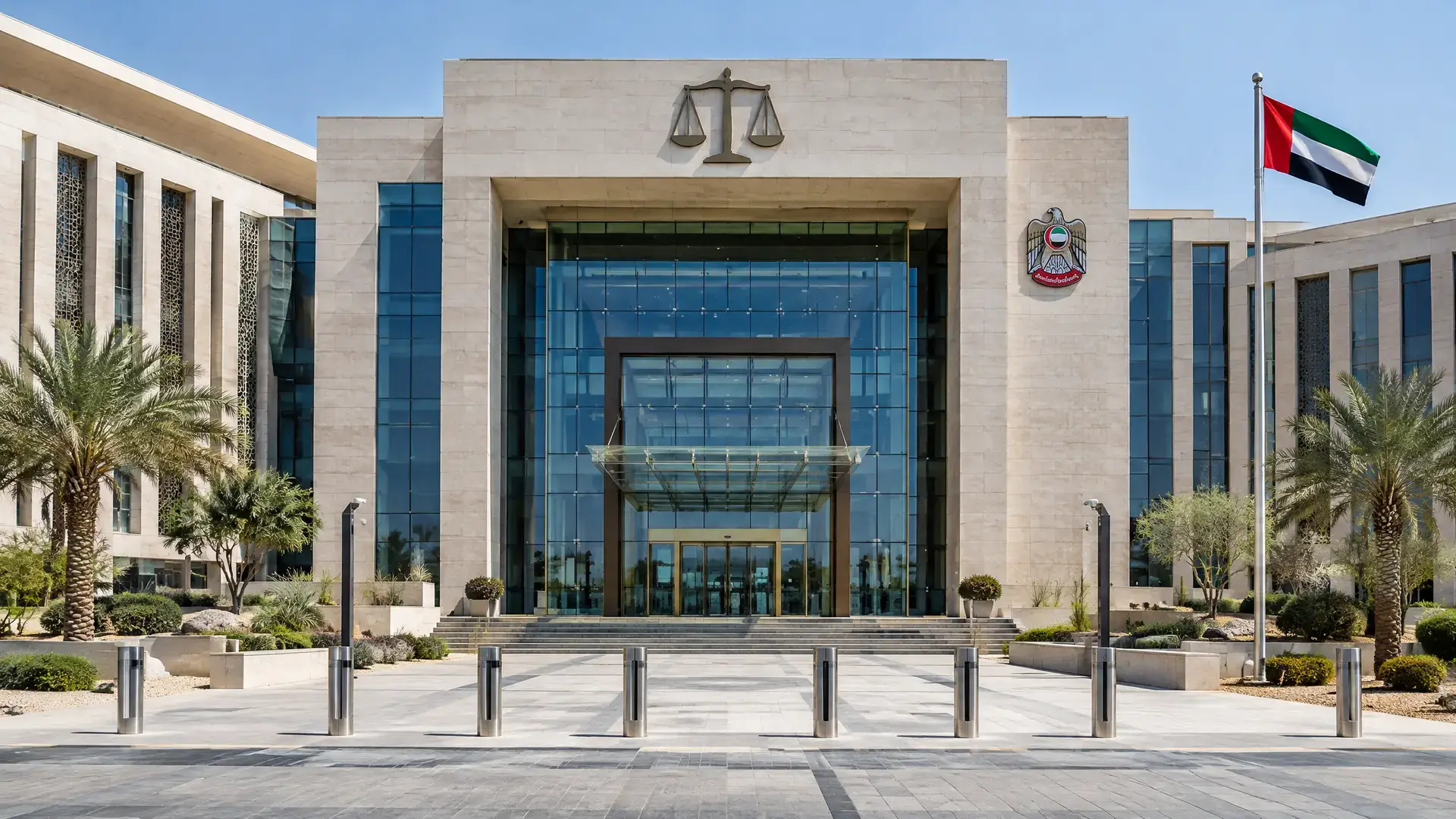
A court in Abu Dhabi has issued a global freezing order over the proceeds of the Binance hack in October, in which $6.5 billion (€5.9 billion) in crypto was stolen. The measure is meant to stop the hackers from accessing the funds, while the legal fight over the stolen tokens continues.
What the Judge Ordered
The order bars companies such as stablecoin issuer Circle Internet and crypto custodian BitGo from moving the stolen assets, Reuters reported based on court documents. The judge will review on December 1 whether 18 companies must hand over assets they have already frozen. According to Binance, the documents do not hold the companies responsible for wrongdoing. Some issuers and exchanges want court approval first before they release tokens to a claimant.
The freeze applies up to the amount of $6.5 billion (€5.9 billion), the cap that the court says the suspected attackers must not be allowed to move. A separate order requires the 18 companies to keep specific assets frozen. Binance previously said it had already replaced the stolen assets with its own funds and insurance reserves.
Tether and the FBI's Role
Tether is not covered by the order and said it had frozen more than $1.56 billion (€1.4 billion) in USDT. The stablecoin issuer told Reuters that it wants to work directly with Binance and consult with relevant authorities about reissuing the tokens. That gives Binance a separate path to recover more than half of the value that the company says was intercepted by third parties.
The FBI has attributed the attack to TraderTraitor, a North Korean hacking group that U.S. authorities say is linked to the Lazarus Group. The agency also said earlier this month that it had authorization to seize or freeze more than $1.2 billion (€1.1 billion) in stolen crypto. On Tuesday, researchers traced nearly $63 million (€57.3 million) in ether from a wallet tied to the theft to three new addresses, after more than two weeks of inactivity.
Why This Matters for Europe
For European crypto users, this case shows how quickly major exchanges, stablecoin issuers, and law enforcement can all step in after a major hack. The difference between tokens with a freezing mechanism, like USDT, and assets like bitcoin and ether also makes it clear why recovery can vary a lot from coin to coin. That matters for anyone looking at custody, recovery procedures, and the role of issuers in major incidents.
The debate over separating trading and custody also comes into play here: after a major exchange hack, the question comes up of how customer funds can be better shielded from operational wallets and recovery actions.