

B3 and Six Banks Launch Open BRL Stablecoin in Brazil
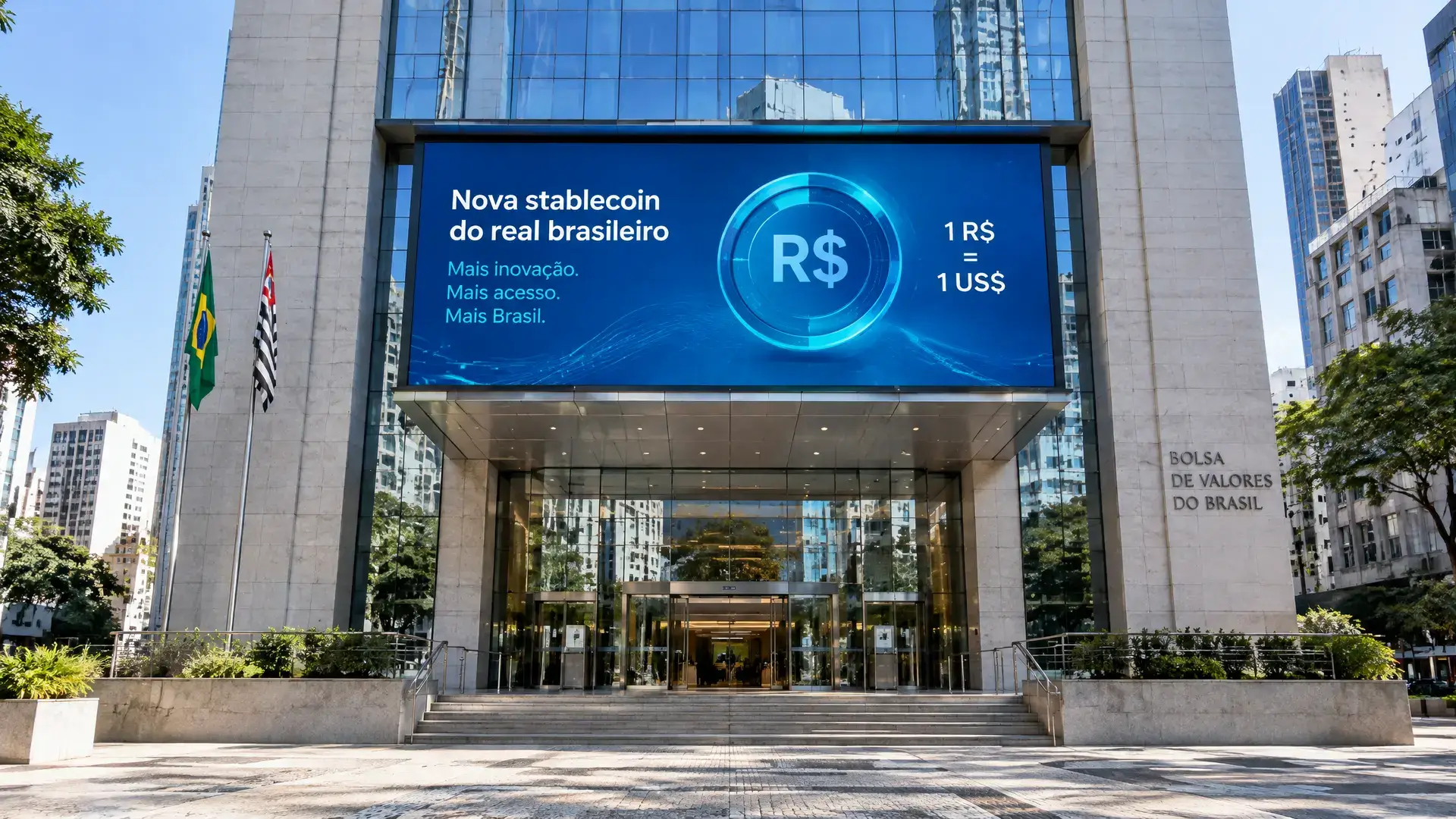
B3 and six major banks want to build Open BRL as a neutral real stablecoin for payments and settlement of digital assets. The project fits within Brazil's new crypto rules and has the support of the CVM.
Key Takeaways
- B3 and six banks are launching Open BRL, a real-pegged stablecoin for payments and the settlement of digital asset trading.
- The project is expected to go live in the first quarter of next year and will be open to other financial institutions.
- Open BRL will be backed by reais, while the banks fund the initiative and it falls under Brazil's crypto rules.
Brazil is getting a new real-pegged stablecoin. Exchange operator B3 is working with six major financial firms on Open BRL, a token meant for payments and the settlement of digital asset trading between institutions. The project is expected to go live in the first quarter of next year.
Banks Share One Token
Bradesco, BTG Pactual, Itaú Unibanco, Safra, Santander and XP are taking part in the project. According to B3, the idea is for competing institutions to use one neutral token instead of separate, proprietary versions. That should make it easier to move money between parties and settle digital asset trades.
The banks are funding the initiative together, but they did not say how much they are investing. Other financial institutions will be able to join from the start. B3 executive Luiz Masagão said the goal is to open the initiative to the entire Brazilian financial market.
How Open BRL Works
With Open BRL, a user deposits 1 real to receive 1 token on a blockchain. Banco B3 issues the coin and holds the reserves, so holders can later swap the token back for reais. B3 runs the platform at launch, while a steering committee sets governance, operating rules, technical standards, and pricing.
The group is also looking at a separate use case for tokenized stock trades on a digital stock market that B3 is building. Because the token runs on a blockchain, wallet transfers can trigger smart contracts that automate parts of settlement.
Why This Matters
The move fits into a market where stablecoins already play a big role in Brazil. According to the tax authority Receita Federal, 404.8 billion reais worth of stablecoins were traded in 2025, accounting for about 80% of all reported crypto activity. Even so, the supply of real-pegged tokens is still small compared with U.S. dollar tokens, with Tether's USDT by far the biggest player.
Banks elsewhere are also increasingly betting on their own stablecoin initiatives. In South Korea, for example, regulators want banks to dominate the issuance of won stablecoins, while in Brazil the debate over stablecoin rules has been heating up for some time.
The timing also matters because the Brazilian central bank has been using a new framework for crypto providers since February. That framework requires platforms to have a license and treats stablecoin trading as a form of foreign exchange trading. Masagão said B3 and the banks are working within the existing rules and have already briefed the central bank. Brazil's regulator CVM also supports the plan because it fits with tokenization.