Bitcoin Above $85,000 as JPMorgan Sees Less Selling Pressure From Miners
JPMorgan sees production cost as a soft floor for Bitcoin: above $85,000, pressure on miners eases, while part of the sector shifts toward AI and cheaper power.
Key Takeaways
- Bitcoin briefly moved above JPMorgan’s estimated production cost of about $85,000 this week, but is now back around $84,100.
- JPMorgan sees that production cost as a soft floor, because prolonged lower prices could force miners to sell more BTC.
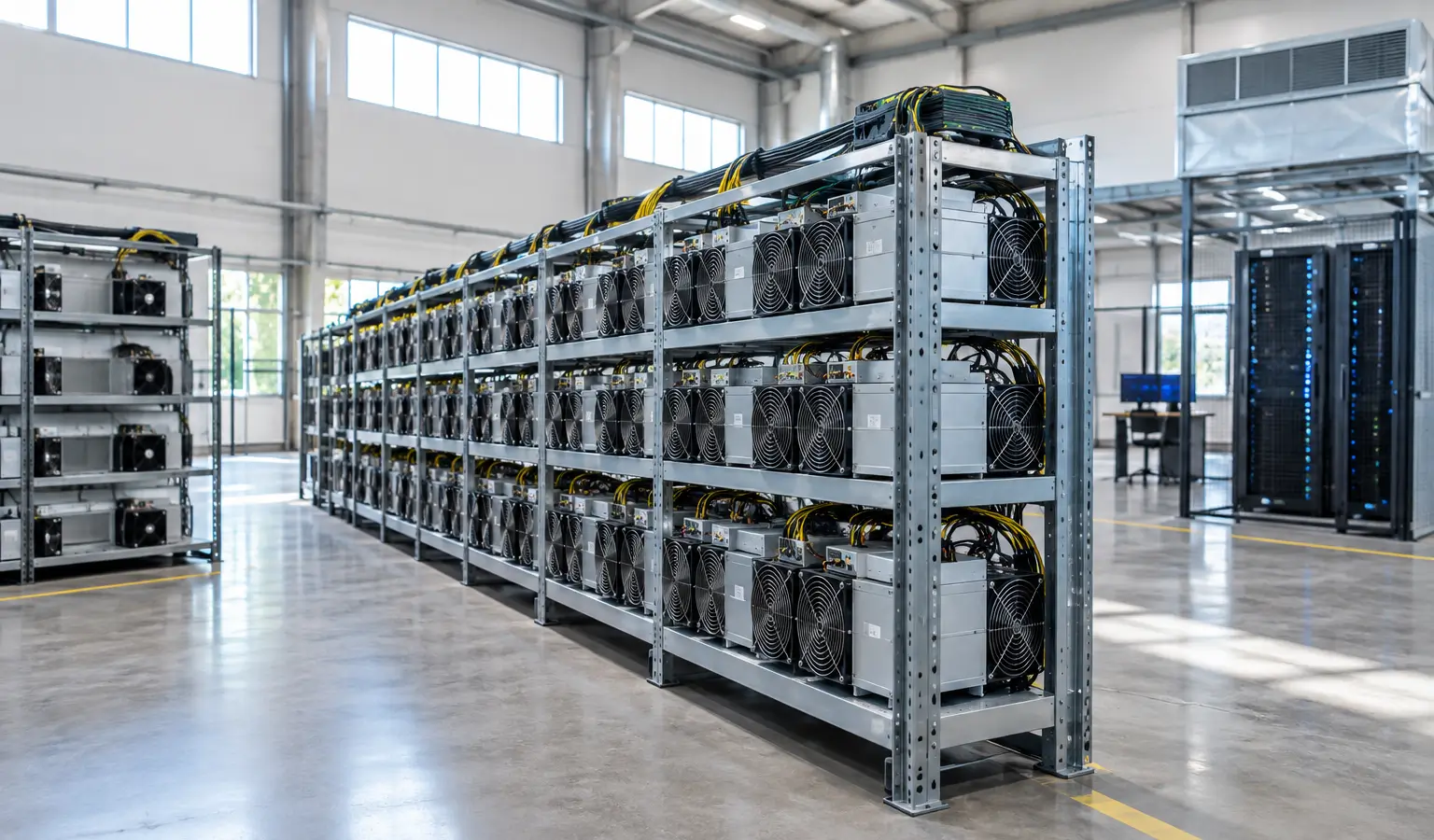
- Miners are shifting capacity to cheaper power and AI, while hash rate and mining difficulty have fallen according to JPMorgan.
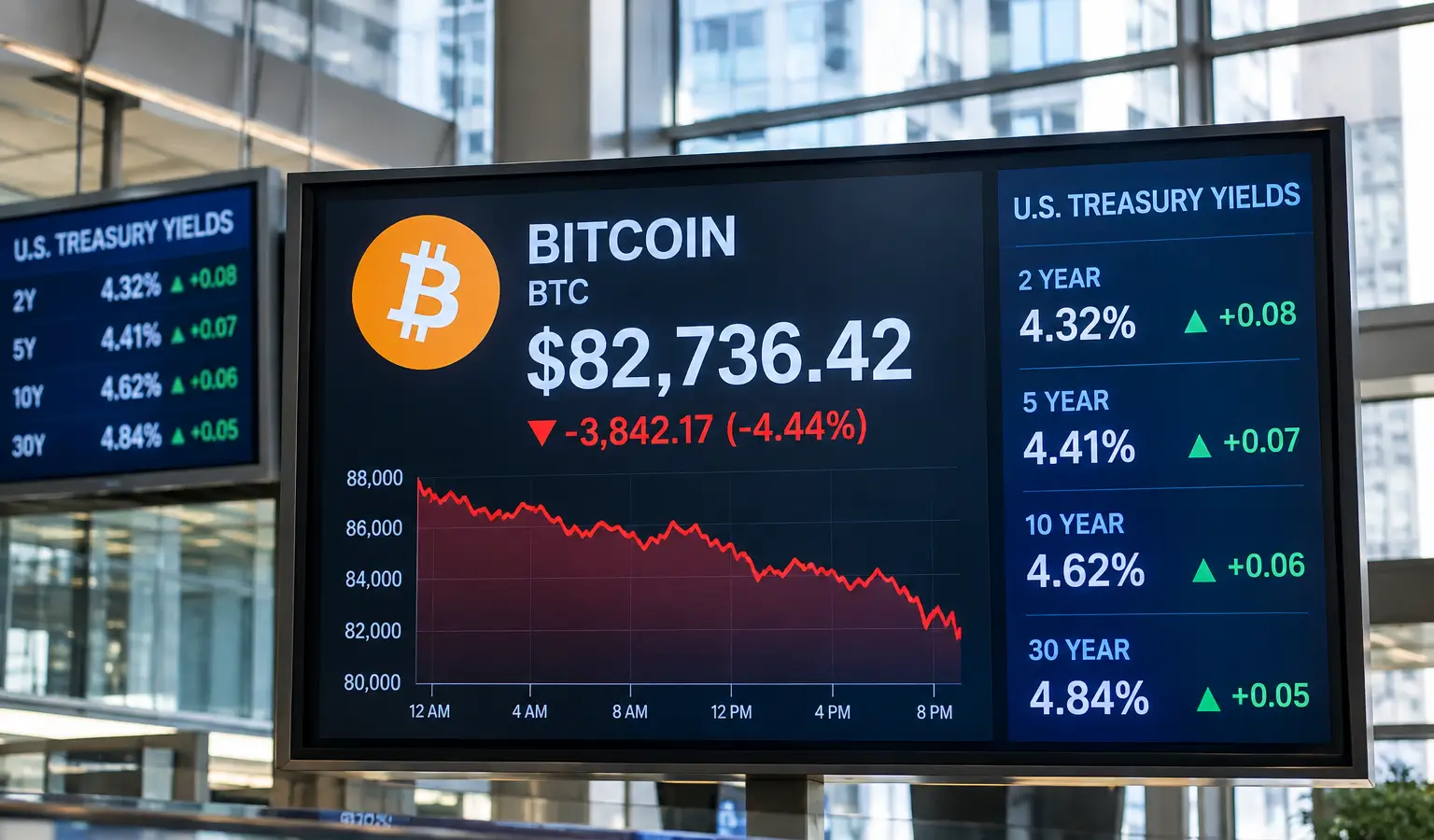
Bitcoin briefly moved above JPMorgan’s estimated production cost of about $85,000 (€74,800) this week. According to the bank, that could give miners some breathing room and reduce the risk of forced selling, as long as the price stays above that level. Bitcoin is now trading a bit lower again, around $84,100 (€74,000).
Production Cost as a Soft Floor
JPMorgan analysts, led by Nikolaos Panigirtzoglou, wrote that Bitcoin traded below that estimated average production cost for 280 days before the price broke above that level during the recent rally. They have long seen that production cost as a kind of soft floor for Bitcoin.
If Bitcoin stays below that level for a long time, miners with high power and equipment costs can come under pressure. That raises the chance that they sell extra BTC, shut down machines, or leave the market. The bank also points out that Bitcoin stayed below the estimated production cost for about 224 days in 2018.
Miners Adjust
According to JPMorgan, miners have dealt with the weak profitability of the past period by moving equipment to regions with cheaper power, selling older rigs, and putting some machines on standby. Less efficient machines have also been scrapped or recycled.
That adjustment is happening now in a much larger and more industrial mining sector than in 2018. Still, the same mechanism applies: higher costs push the least efficient miners out of the market, forcing the sector to adapt to new price levels.
AI Is Changing the Mining Landscape
JPMorgan also sees Bitcoin mining increasingly overlapping with artificial intelligence. Some miners are shifting part of their capacity to AI computing, because the bank sees those revenues as more predictable and stable than mining income. That lines up with a slowdown in Bitcoin hash rate growth.
According to the analysts, the hash rate is about 19% below last October’s peak, while mining difficulty has fallen by around 15%. The bank says many publicly traded miners have already lowered their growth expectations, while private and state-linked miners are taking over a larger share of the activity.
For European crypto followers, that matters because it shows how Bitcoin’s infrastructure is changing under pressure from costs and competition. If miners more often choose AI contracts and cheaper energy, that could eventually affect how fast new BTC production grows, without immediately tying that to a direct price forecast.
The broader market also remains sensitive to rates and macro pressure: Bitcoin had already fallen below $84,000 earlier when higher U.S. rates and a weak auction hurt sentiment.