Bitcoin Falls Below $60,000 as Yen Slides and Strategy Shifts Course
A weaker yen and a stronger dollar are weighing on risk assets. At the same time, Strategy is reshaping its financing after STRC preferred stock lost ground.

Key Takeaways
- Bitcoin fell more than 1% on Tuesday and slipped below $60,000, while it also remained under the 200-week moving average.
- Strategy approved share buybacks and rolled out a $1.25 billion monetization program to raise capital through Bitcoin sales.
- The yen dropped to its weakest level since 1986, lifting the dollar and adding pressure to risk assets, including crypto.
Bitcoin lost more than 1% on Tuesday as the Japanese yen fell to its weakest level in four decades against the U.S. dollar. That combination of currency swings and a softer crypto market pushed BTC below $60,000 (€52,600), with the token also staying under the closely watched 200-week moving average.
Strategy Changes Course
The latest drop comes as Strategy, the largest publicly traded BTC holder, has once again changed how it plans to fund its bitcoin buys. On Monday, the company approved up to $1 billion (€0.9 billion) in buybacks for preferred and Class A shares, and it also introduced a $1.25 billion (€1.1 billion) monetization program designed to raise capital through Bitcoin sales.
The shift is a notable departure from founder Michael Saylor’s long-standing stance that Strategy would never sell its Bitcoin. Market observers say the change mostly reflects pressure on the company’s balance sheet now that STRC preferred stock, a yield product, has fallen sharply in recent weeks and weakened a key source of funding for new BTC purchases.
Yen Pushes the Dollar Higher
The yen was trading near 162.40 per dollar, its weakest level since October 1986. That helped push the Dollar Index to 101.32 after it had been just under 101 on Monday. For crypto traders, that matters because a stronger dollar often goes hand in hand with more pressure on risk assets, including crypto.
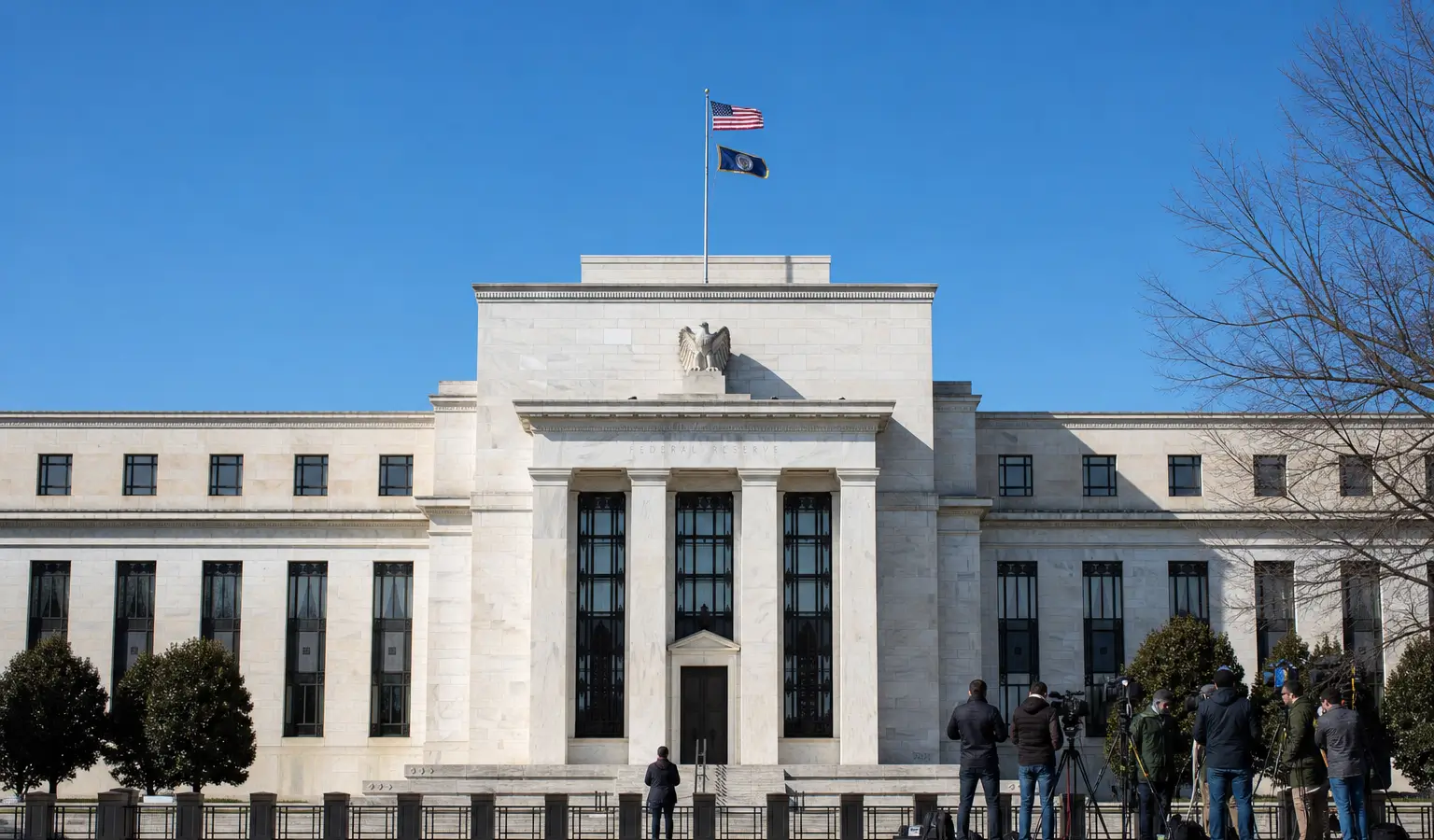
The yen’s decline is largely tied to the gap between Federal Reserve policy and the Bank of Japan. The Fed pushed rates above 5% earlier, while Japan kept borrowing costs near zero for a long stretch. The BOJ has only recently raised rates to around 1%, which is still far below U.S. levels.
Japan’s fiscal position is also part of the story. With debt above 220% of GDP, the country has limited room for rapid rate hikes, while moving too slowly could put even more pressure on the yen. Traders are also warning that a sudden BOJ policy shift could unsettle yen-funded carry trades, a setup that has helped channel liquidity into stocks, bonds, and crypto markets around the world for years.
Why This Matters for Crypto
For European crypto readers, the key thing to watch is the mix of a weaker yen and a stronger dollar. Those moves can shape global risk appetite and make BTC more sensitive to macro shocks. At the same time, Strategy is adjusting its capital structure, which adds another company-specific factor the market may keep monitoring in the weeks ahead. For more background on that shift, Strategy’s new capital plan is also worth watching, since the company is pairing a Bitcoin monetization program with buybacks.