Bitcoin Falls Below $63,000 After Rare U.S. Yen Intervention
The joint move by Japan and the U.S. is fueling concerns about an unwind in the yen carry trade, which is also hitting Bitcoin and other risk assets.
Key Takeaways
- Bitcoin briefly slipped below $63,000 on Friday after a rare yen intervention by the United States.
- Japan and the U.S. stepped in to buy yen after the currency had nearly touched a 40-year low earlier this week.
- Traders are worried that a stronger yen could squeeze the carry trade and put pressure on Bitcoin as well.
Bitcoin briefly fell below $63,000 (€54,900) on Friday after the United States bought yen for the first time in 28 years to support the Japanese currency. The move added to pressure on an already weak yen and revived fears that the carry trade could start to unwind, a shift that often spills into crypto markets.
Rare Move in the FX Market
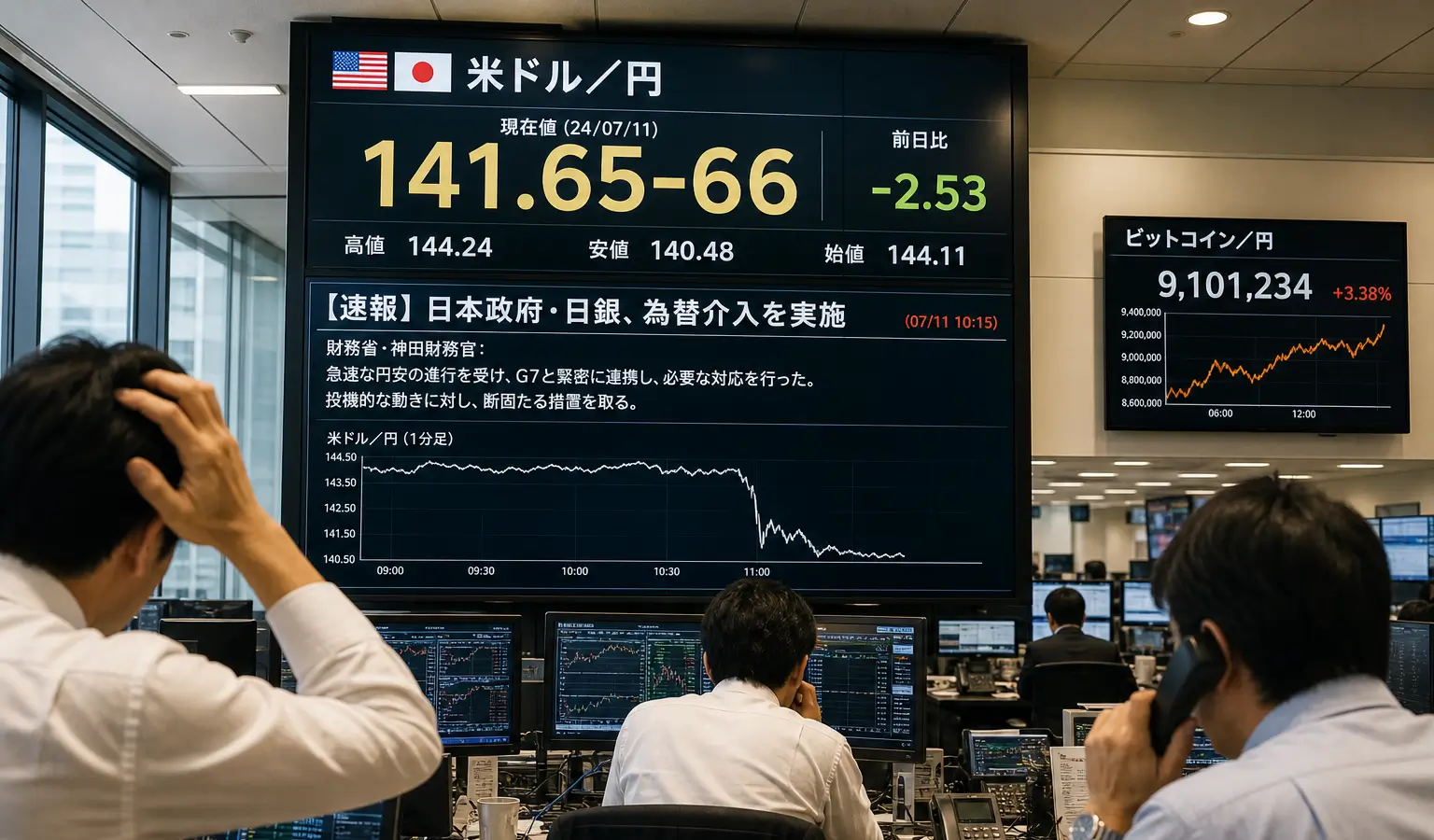
Japan had already intervened on Thursday by selling dollars and buying yen, a standard move meant to shore up the currency. Earlier this week, the yen had dropped to 163.99 per dollar, coming close to a 40-year low, before rebounding to 157.40 per dollar after the two countries acted together.
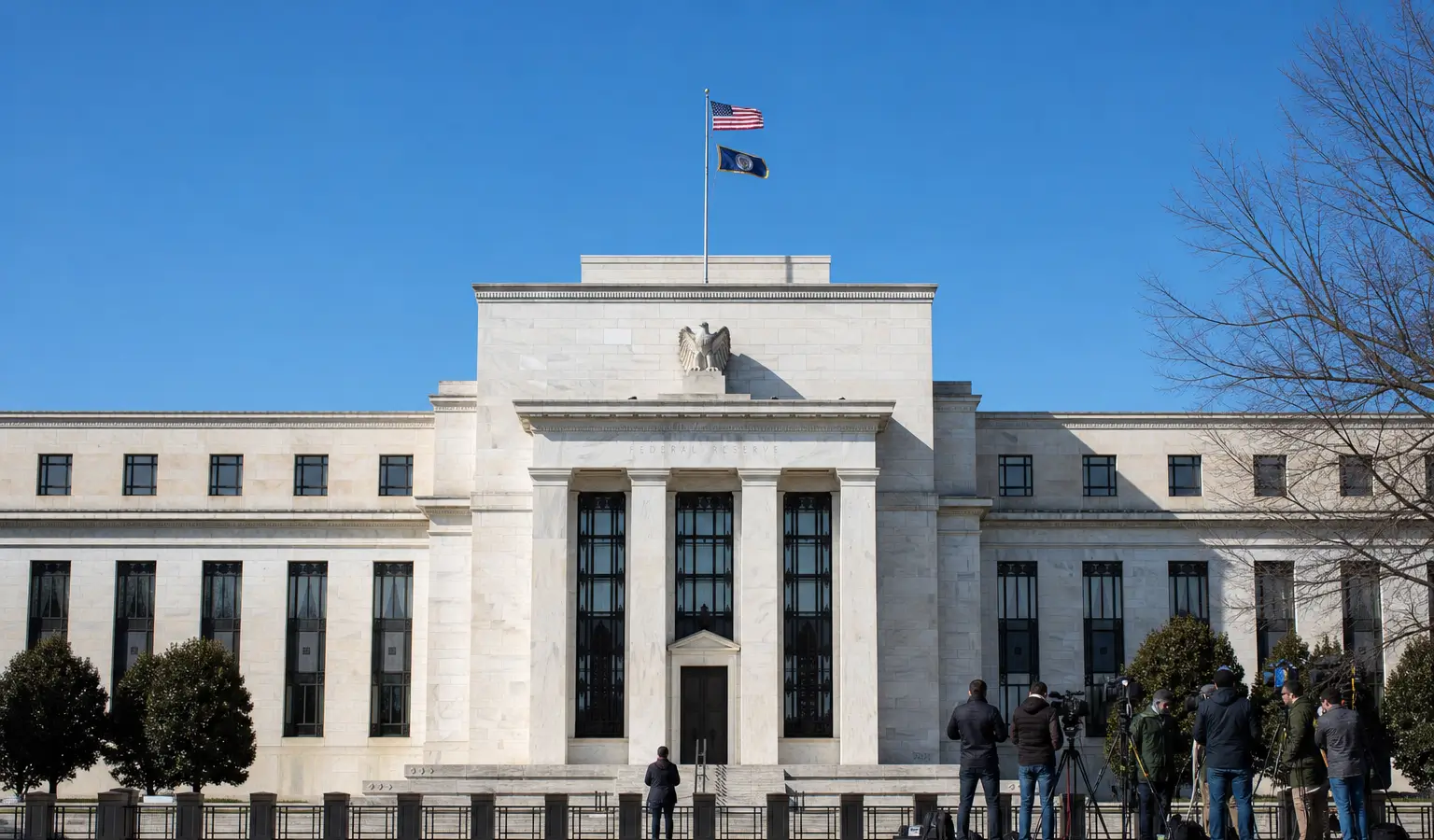
The bigger surprise was the U.S. joining in. According to reports, the New York Fed sold euros and bought yen on behalf of the U.S. Treasury through Goldman Sachs and Morgan Stanley. It was only the fourth time since 1998 that the U.S. has bought yen, and the first since June 17, 1998.
The timing makes the intervention especially notable. The U.S. Treasury’s July 23 report still placed Japan on a watchlist for currency practices, yet Washington stepped in itself just eight days later. The market also pointed to a note from Treasury Secretary Scott Bessent suggesting $5 (€4.35) to $10 billion (€8.7 billion) in yen purchases.
Why Bitcoin Is Moving With It
Bitcoin was trading around $63,034, down 1.25 percent over 24 hours, while its market cap stood at $1.26 trillion (€1.1 trillion). U.S. stocks, meanwhile, ended the day higher, with the Nasdaq, S&P 500, and Dow all posting gains. For crypto traders, the real focus was not on tech stocks but on Tokyo and the foreign exchange market.
That reaction fits a market where the yen has long served as a cheap funding currency. Investors borrowed at low Japanese rates, converted yen into dollars, and used the proceeds to buy risk assets such as stocks, bonds, and Bitcoin. If the yen strengthens quickly, those trades can come under strain and borrowers may be forced to sell assets to repay loans.
The Federal Reserve still matters here indirectly, because the gap between U.S. and Japanese rates can make the carry trade more attractive or more fragile. Crypto has also shown before how fast it can react to this kind of move: after the Bank of Japan raised rates on July 31, 2024, the yen surged and the Nikkei fell sharply in a short span, with Bitcoin moving in the same direction. That lines up with the broader weakness also seen when Bitcoin Falls on the Final Day of July While Stocks Rise.
What This Means for European Readers
For European crypto investors, the takeaway is that currency interventions and interest rate gaps rarely stay local. They can shape risk appetite across global markets, and that can ripple into Bitcoin and other major cryptocurrencies. The key question now is how long the yen can stay supported if the underlying rate gap remains in place.