Bitcoin Falls With Gold and Silver as the Fed Turns More Hawkish
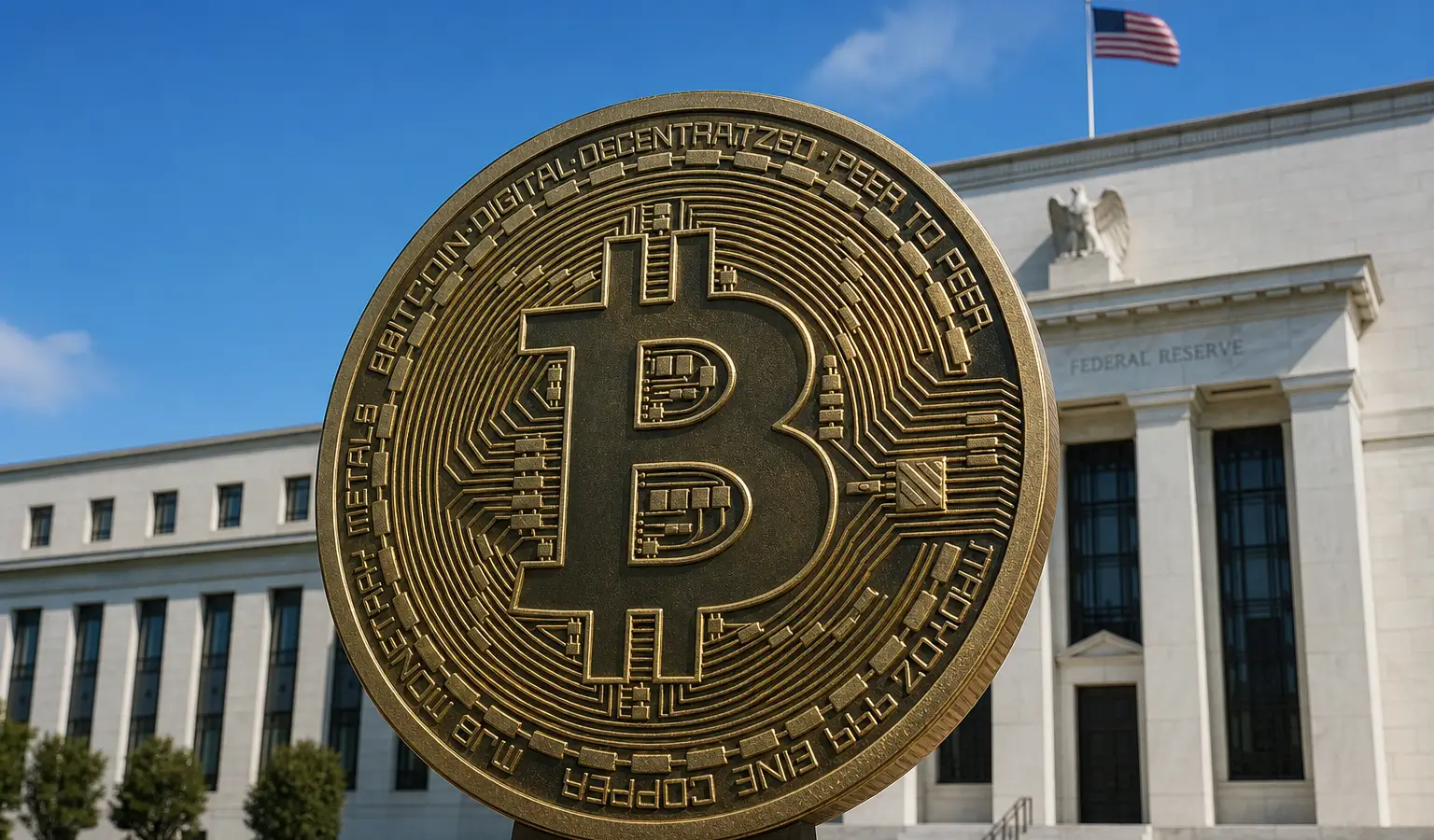
The selloff is tied to the debasement trade: higher rates and a stronger dollar are also pressuring gold and silver. Bitcoin slipped below $58,000 as the Fed held its hawkish line.
Key Takeaways
- Bitcoin dropped below $58,000 and has been moving in lockstep with the decline in gold and silver.
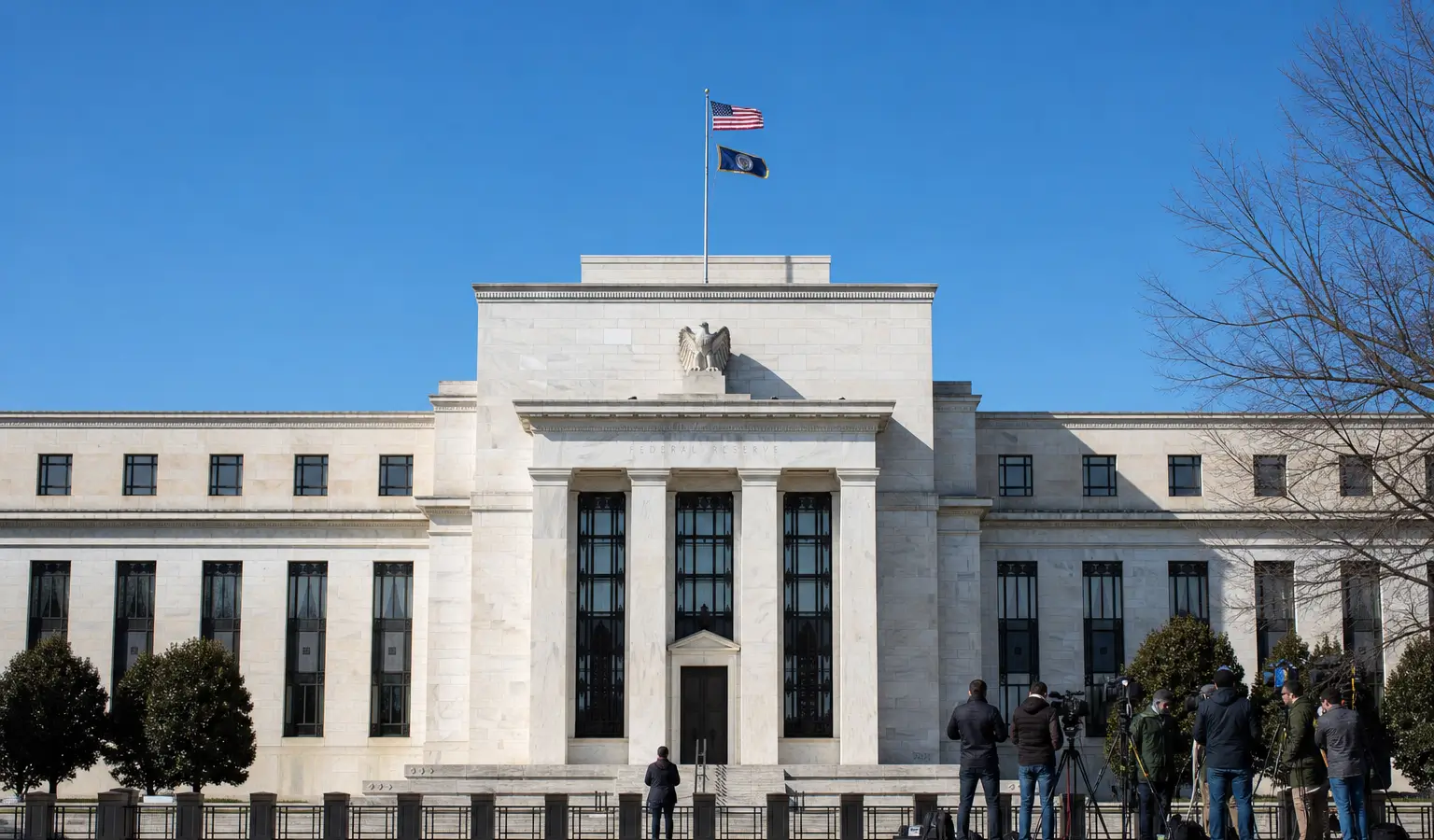
- The Federal Reserve's hawkish stance and a stronger dollar are putting the so-called debasement trade under pressure.
- Since its February low, Bitcoin has outperformed gold and silver, but it still reacts sharply to U.S. monetary policy.
Bitcoin's latest slide looks closely tied to the broader selloff in gold and silver. For months, the three assets have been treated as hedges against a weakening dollar, but that narrative is now under strain as the Federal Reserve keeps a hawkish tone. Bitcoin slipped below $58,000 (€50,900), while gold and silver are now down more than 28% and more than 50%, respectively, from their 2025 highs.
Debasement Trade and the Impact of Fed Policy
The rally in these scarce assets was driven for a long time by the so-called "debasement trade." Investors were betting that heavy government spending and rising debt would chip away at the value of fiat money, which helped push both precious metals and Bitcoin into safe-haven territory. That setup is getting weaker now. Comments from Fed Chair Kevin Warsh about the possibility of rate hikes to 4.25% in 2027, combined with a stronger dollar, are taking some of the air out of the trade. Higher rates also lift the real yield on government bonds, which makes it more costly to hold assets like gold, silver, and Bitcoin that do not generate income.
Bitcoin Between Speculation and Hard Money
Bitcoin has always sat between two identities: it is both a speculative risk asset and a digital version of hard money. One thing that stands out is that Bitcoin trailed gold and silver during the 2025 rally, but it is now falling alongside them. Since its February low, though, Bitcoin has actually outperformed both metals, rising about 30% versus gold and more than 55% versus silver. That underscores how complicated Bitcoin's role still is in the broader market picture.
The same rate worries also hit crypto earlier, when the Fed warned about a rate hike in 2026 and investors were forced to price in higher borrowing costs again. Even with the Fed sticking to its hawkish stance and the dollar staying strong, Bitcoin will likely keep struggling to break free from the influence of the precious metals it is so often compared with. For European investors, the move may also matter because it reflects both U.S. monetary policy and the currency swings that come with it.