Bitcoin Holders Turn Back to Buying After 12 Days of Selling
After 12 days of selling, long-term holders shifted back to accumulation, while U.S. spot Bitcoin ETFs also saw fresh inflows.
Key Takeaways
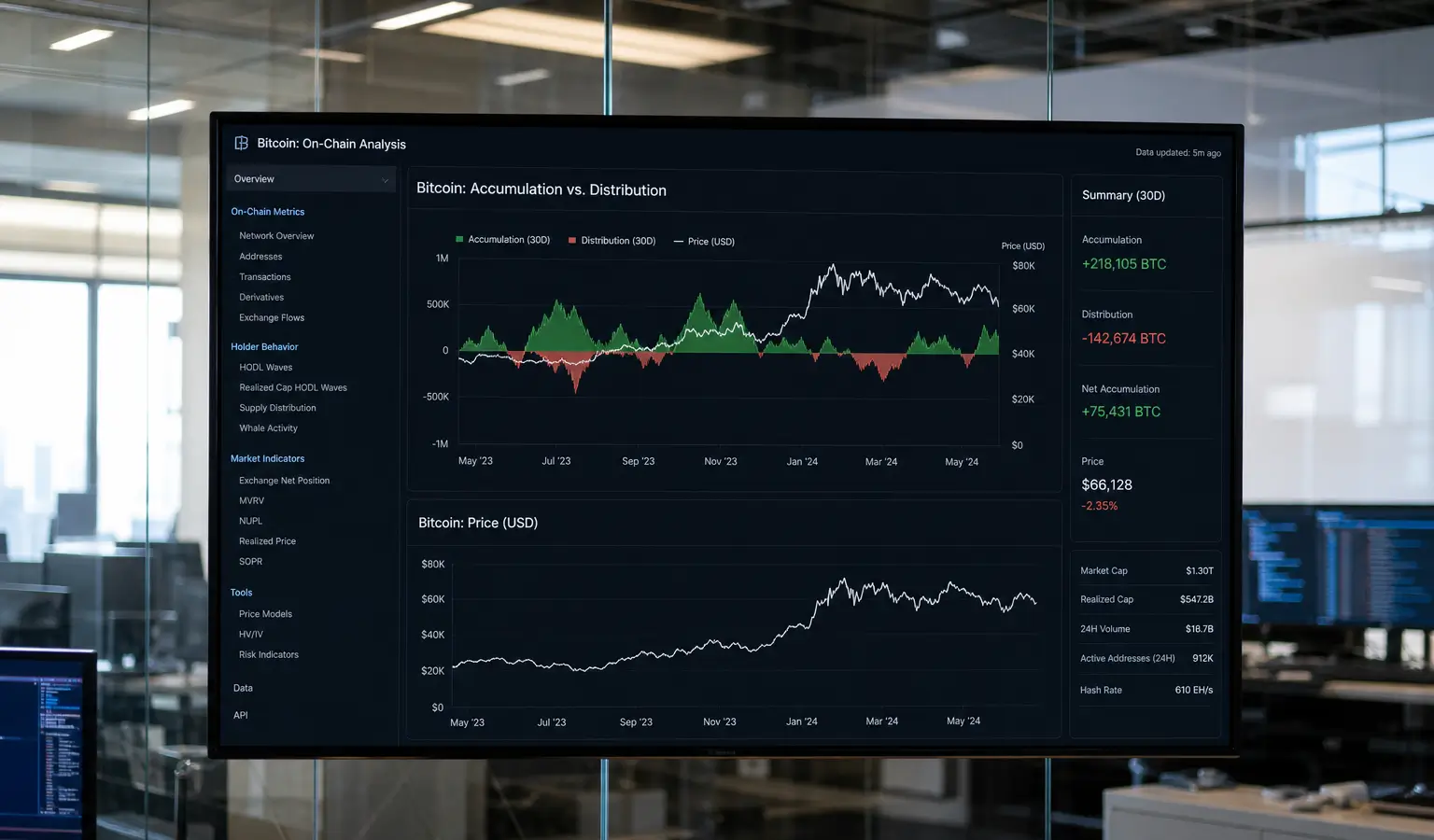
- Bitcoin long-term holders returned to buying on July 11 and 12 after 12 days of selling, adding a net 5,912 BTC.
- The move comes as Bitcoin is down about 2% over the past 24 hours and marks the first shift back to buying since late February.
- U.S. spot Bitcoin ETFs also brought in about $197 million during the same week, their first positive week after eight straight weeks of outflows.
Bitcoin is under pressure, but the most patient holders are not following the sell-off. After 12 straight days of distribution, long-term holders of Bitcoin flipped back to net buying on July 11 and 12, adding 5,912 BTC. The move is still early and limited to just two days, but it comes as Bitcoin has fallen about 2% over the past 24 hours.
A Long-Term Signal
Glassnode measures this cohort using long-term holder net position change. The metric tracks coins that have been held for roughly 155 days or more, and a positive reading means these wallets are accumulating faster than they are spending. That matters because older coins tend to move less often than newer ones.
That is why reversals like this tend to draw attention. When long-term holders keep buying into weakness, they reduce the amount of supply sitting on the market. In turn, that can leave less available to trade and give prices more room to climb if demand improves.
This latest change is also the first move from selling back to buying since late February. The last time that happened, Bitcoin later staged a rally of about 25%.
What February Showed
The previous flip came when Bitcoin was trading near $65,896 (€57,700). From there, long-term holder accumulation gradually picked up, and BTC went on to reach about $82,186 (€71,900) on May 10. The trend then weakened again, with buying slowing in late May and turning back to selling by late June as the price drifted back toward $60,000 (€52,500).
That history is why traders are paying close attention to this new shift. In both cases, long-term holder behavior changed before the price did. So the real question now is not just where Bitcoin is trading today, but whether this group is once again willing to buy into weakness.
Why This Matters Now
For European crypto readers, the bigger picture is that this is not happening in isolation. In the week through July 10, U.S. spot Bitcoin ETFs pulled in about $197 million, their first positive week after eight weeks of outflows. That points to renewed demand from both older wallets and institutional buyers through ETFs at the same time.
That makes the signal more meaningful than a single onchain metric. Still, the sample size is small: two green days do not make a trend. If buying fades again, the signal could weaken quickly and the recent selling pressure may return.