Bitcoin Holds Firm After Yen Shock and Japan Intervention
The yen’s quick rebound is testing the carry trade again, but Bitcoin stayed above $79,000. That suggests less direct spillover than during the 2024 shock.
Key Takeaways
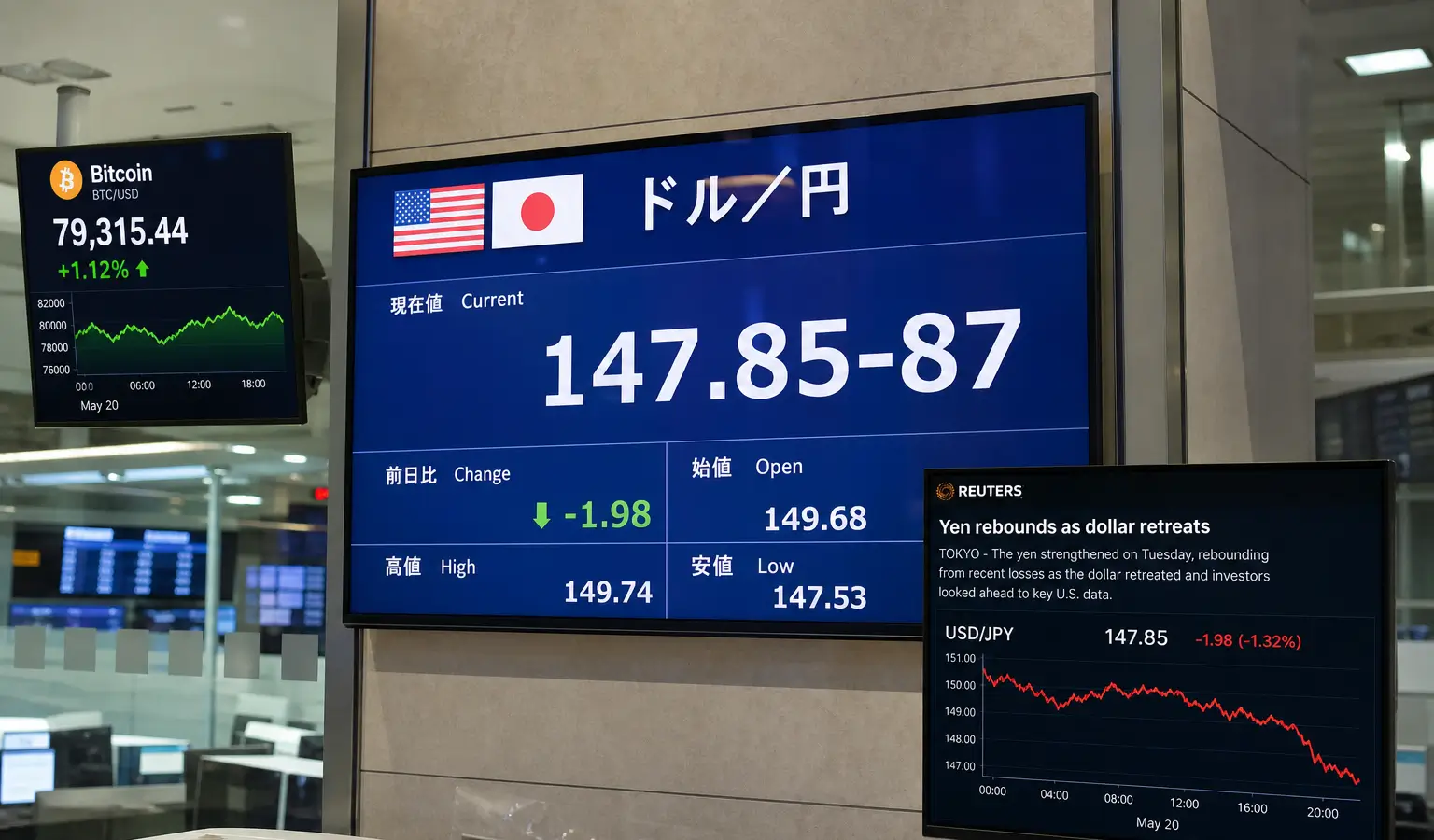
- Bitcoin stayed above $79,000 after the yen recovered from 160.39 to 154.50 per dollar in three trading days.
- In August 2024, a similar rise in the yen led to unwinding cheap yen funding and heavy selling in crypto.
- Japan spent nearly $100 billion on yen support in August, while foreign reserves fell by $94.6 billion.
Bitcoin has weathered the recent yen shock that hit the crypto market hard two years ago. The Japanese currency recovered from 160.39 to 154.50 per dollar in three trading days, while Bitcoin stayed above $79,000 (€68,000). That makes the current move an important test for investors who are still sensitive to a sudden turn in the yen.
Yen Moves Up Fast
Japan spent nearly $100 billion (€86 billion) in August to support the yen, but the currency did not return to 154 per dollar at that time. Traders then pushed the rate to that level anyway. The yen rose 3.7% in three sessions, without another confirmed intervention from Tokyo.
The speed of that move matters for the crypto market. In August 2024, a similar rise in the yen caused investors to unwind cheap yen funding and sell risky positions. Bitcoin and Ethereum then fell by as much as 20%.
Bitcoin Stays Above $79,000 (€68,000)
This time, Bitcoin stayed above $79,000 (€68,000), close to its highest level since May. That clearly sets the market apart from the pattern in 2024, when the yen shock hit crypto much harder. Bitcoin’s price held up even as the currency market moved sharply.
Timing also matters here. The warning about a fast yen move was already on the table when the currency was still around 159.75 per dollar. That makes the recent drop to 154.50 especially relevant for crypto investors watching carry trades and sudden risk reduction.
Japan Has Less Room
Japan also disclosed how expensive the first intervention was. Foreign reserves fell by $94.6 billion (€81.4 billion) in August to $995 billion (€856 billion). Foreign securities alone dropped by $87.8 billion, suggesting Tokyo sold short-term U.S. government bonds to defend the yen.
That could make it harder to repeat the same approach again. A Japanese economist had already pointed out that there is still room to intervene, but that further selling of U.S. Treasuries could trigger political pressure from the U.S. At the same time, the Bank of Japan, with a policy rate of 1%, is still behind other major economies, which keeps pressure on the yen and the carry trade dynamic in place.
For European crypto followers, this matters mainly because currency moves outside the crypto market can sometimes quickly spill over into Bitcoin and major altcoins. If the yen moves sharply again, it could once more affect how investors cut risk or hold on to it, without needing a crypto-specific headline right away.
The recent price action also fits that broader picture: Bitcoin held $79,000 as Fed odds rose, showing that macro factors can still move the price quickly.