Bitcoin Miners Win on AI, but Mining Could Rebound
Miners with HPC and AI contracts are getting higher valuations than pure-play Bitcoin miners, while hashprice and hashrate are under pressure.
Key Takeaways
- Miners with AI and HPC contracts are being valued higher than pure-play Bitcoin miners, while the Bitcoin price fell 45% in eight months.
- TerraWulf, IREN, and Cipher Digital more than doubled, while MARA Holdings fell 40% because its shift into AI has been slower.
- Hashprice dropped to about $31.80 per PH/s and hashrate fell to 900 EH/s, but a Bitcoin recovery could improve mining.
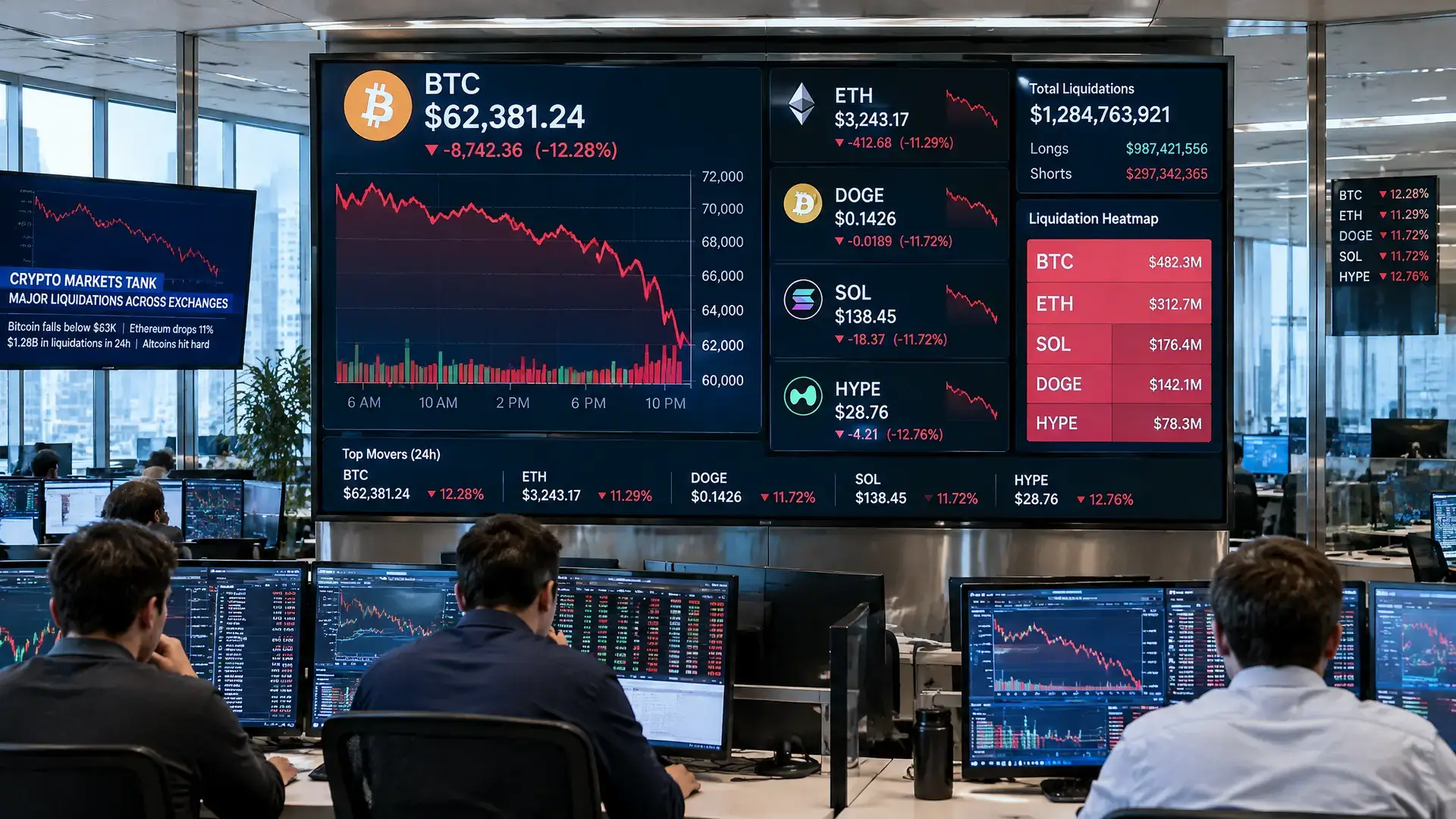
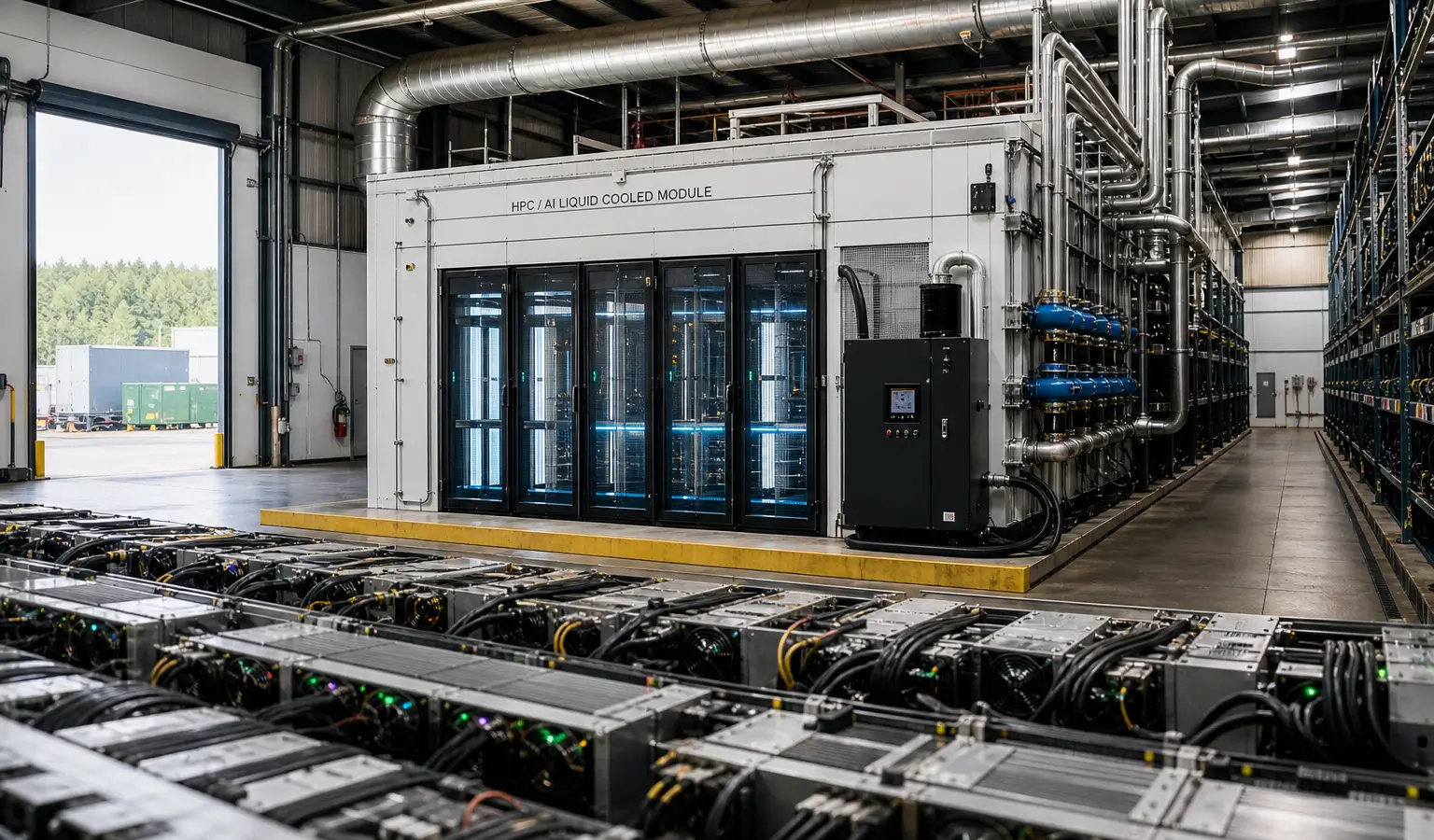
The shift from Bitcoin mining to artificial intelligence and high-performance computing is proving to be one of the strongest capital decisions in recent years for part of the sector. While the Bitcoin price has fallen 45% in eight months, miners with AI and HPC contracts are being valued higher than pure-play miners that still rely entirely on Bitcoin.
AI Gives Miners New Value
The logic behind that shift is simple: both activities depend on cheap energy, large computing facilities, and efficient hardware management. In a market where demand for AI capacity is growing quickly while demand for Bitcoin mining is under pressure, that difference is becoming more visible in stock prices.
TerraWulf, IREN, and Cipher Digital have more than doubled over the past year. MARA Holdings, which is further behind in the AI shift, fell 40% over the same period. According to CoinShares, miners with HPC contracts are valued at 12.3 times their enterprise value, compared with 5.9 times for pure-play Bitcoin miners.
Pressure on the Mining Economy
The weak performance of traditional miners is tied to the drop in hashprice, the expected daily revenue per unit of mining power. That fell from $63 (€54) per petahash per second in July last year to about $31.80 (€27) now. As a result, more and more miners are shutting off their machines, a process known in the industry as capitulation.
That also affects Bitcoin's main chain itself. The hashrate has fallen back to 900 exahash per second, about 21% lower than earlier this year, and according to CoinShares this is already one of the longest capitulation cycles on record. The sector is also still feeling the impact of the 2024 halving, which cut the block reward from 6.25 BTC to 3.125 BTC and put further pressure on margins.
Why This Still Matters
For European crypto investors, this shows that miners' market value depends not just on Bitcoin itself, but also on their access to power, infrastructure, and long-term contracts. That makes the sector more sensitive to shifts between crypto and AI than many other parts of the crypto market.
Still, the bull case for pure-play miners is not gone. CoinShares says a Bitcoin recovery to $126,000 (€108,800) could push hashprice back toward $59 (€51) per PH/s, which would clearly improve the mining economy and restore some of the appeal of traditional miners. An earlier sector analysis already showed how quickly valuations can swing when miners move capacity to AI infrastructure, such as with publicly listed miners shifting their computing power.