Bitcoin Rebounds to $82,000 After Trump Post on Iran
After Trump’s post about Iran, Bitcoin bounced higher, while Ethereum, XRP, and Solana also moved with it. The price reaction followed earlier pressure from higher oil prices and geopolitical tension.
Key Takeaways
- Bitcoin recovered to $82,000 on Friday after Trump said the U.S. will not attack Iran before the November elections.
- The crypto market bounced after Thursday’s drop, while Ethereum, XRP, and Solana also made back some of their losses.
- The debate over “bunker mode” continued, with disagreement over possible cryptographic security risks.
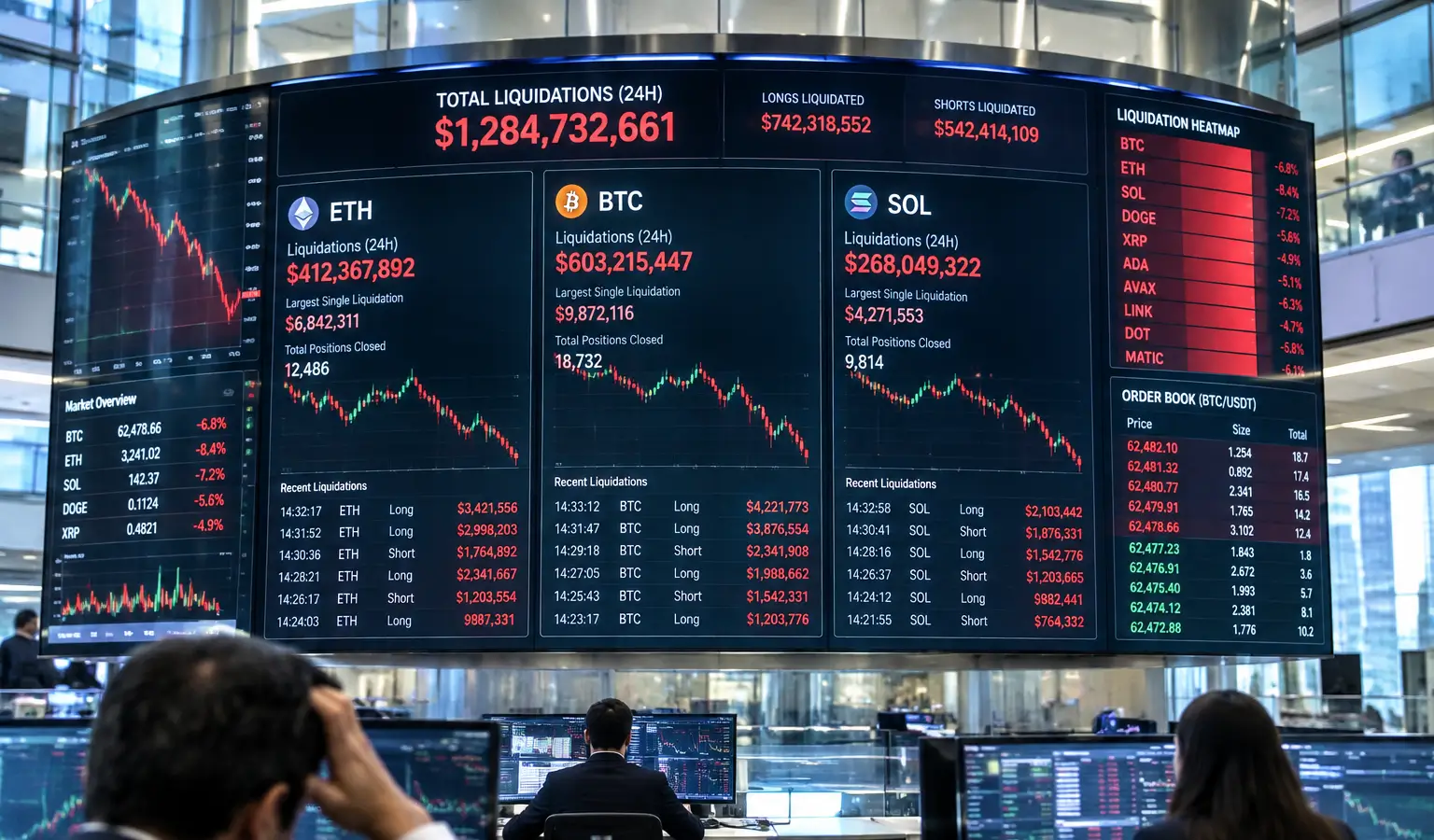
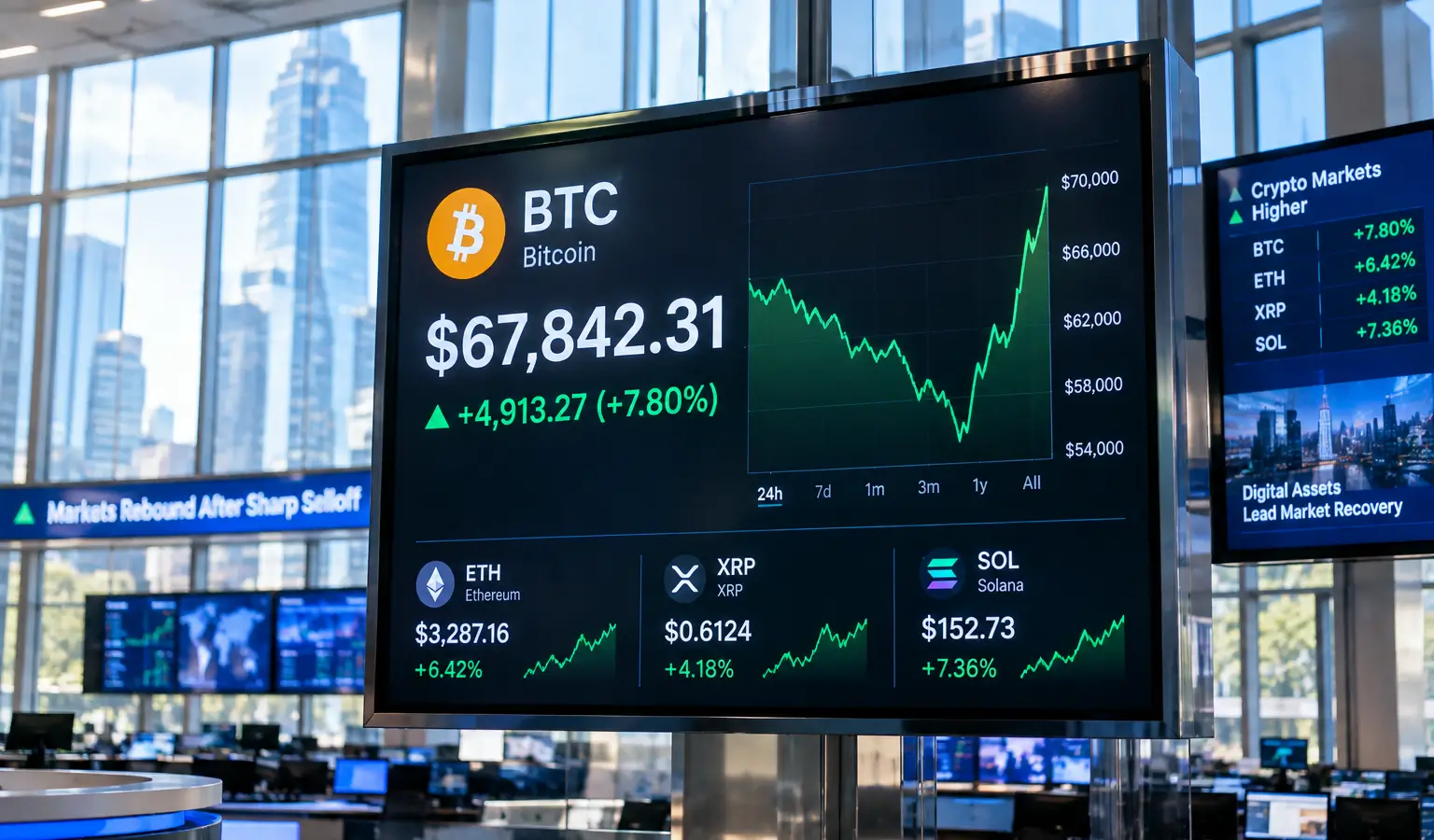
Bitcoin recovered to $82,000 (€73,300) on Friday after President Donald Trump said the U.S. would not attack Iran before the midterm elections in November. That helped the crypto market bounce after Thursday’s sharp drop, when worries about a possible escalation in the Middle East weighed on trading.
Trump Eases War Fears
Trump wrote on Truth Social that the U.S. will not attack Iran before the November 3 election. He called the talks with Iran “productive,” but also said the U.S. blockade remains fully in place. After that message, the Bitcoin price climbed from around $80,300 (€71,800), where selling pressure seemed to ease earlier in the day.
Other major tokens also recovered. Ethereum, XRP, and Solana gave back part of Thursday’s losses. That put the market back in line with broader risk trading, which had earlier weakened because of geopolitical tension and higher oil prices.
Oil and Geopolitics
The sell-off started about 24 hours earlier, after reports of possible new military moves between the U.S. and Iran pushed oil prices higher. WTI futures rose from $89 (€80) to $93.20 (€83) at the time, before falling back after Trump’s message. At the time of writing, the futures were trading around $90.69 (€81).
For Bitcoin, that link with oil and geopolitics is nothing new, but the reaction is still mixed. Research into the conflict period between the U.S., Israel, and Iran in 2026 showed that oil moves were often visible before the Bitcoin price, while the coin did not consistently act as a safe haven. That fits the view that Bitcoin often trades like a risk asset during calm periods, but sometimes reacts differently during major geopolitical shocks.
Bunker Mode Remains a Debate
Along with the price move, the debate over so-called “bunker mode” also lingered. In this setup, holders would carefully move their crypto wallet structure to new addresses whose public keys have not previously been exposed on-chain. The idea is to reduce exposure if future advances in computing power or cryptography were to create a risk for Bitcoin and Ethereum security.
Coinbase cryptographer Yehuda Lindell called those concerns “FUD” and said there is no evidence that the long-standing assumptions around elliptic-curve cryptography have been broken. Ethereum founder Vitalik Buterin did acknowledge that the risk from AI-driven math is real, but pointed to lattices rather than elliptic curves. For European crypto investors, that shows how geopolitics, oil, and security concerns can all affect sentiment around Bitcoin at the same time.
Earlier, the combination of oil and rising rates already triggered a similar sell-off in Bitcoin, when the market also reacted sharply to tensions around Iran.