Bitcoin Stalls Around $65,000 as AI Spending Keeps Inflation Hot
U.S. spot Bitcoin ETFs are seeing fresh inflows, but higher rates and AI-driven inflation are still keeping Bitcoin pinned near $65,000.
Key Takeaways
- Bitcoin is trading around $65,000 and briefly climbed above $66,000 on Wednesday, its highest level since early June.
- U.S. spot Bitcoin ETFs brought in $203.2 million in net inflows, but that still falls far short of the earlier $6.9 billion outflow.
- AI spending is helping keep inflation and rates elevated, which is leaving Bitcoin stuck in a range for now.
Bitcoin is hovering near $65,000 (€57,000), but the market still has not seen a real breakout. On Wednesday, the price briefly pushed above $66,000 (€57,900), its highest point since early June, while U.S. spot Bitcoin ETFs started drawing money again. Even with that support, crypto is still caught between better inflows and a macro backdrop where AI investments are helping keep inflation sticky.
ETF Inflows Still Aren't Enough
U.S. spot Bitcoin ETFs recorded $203.2 million (€178 million) in net inflows on Tuesday, extending their streak to six straight positive trading days. That is a solid turnaround, but it is still modest compared with the $6.9 billion (€6 billion) that flowed out of these products in May and June.
For Bitcoin, the message is simple: demand has returned, but large investors have not clearly shifted their positioning yet. Until that changes, the price is more likely to stay rangebound than start a fresh move higher.
AI Is Keeping Money Expensive
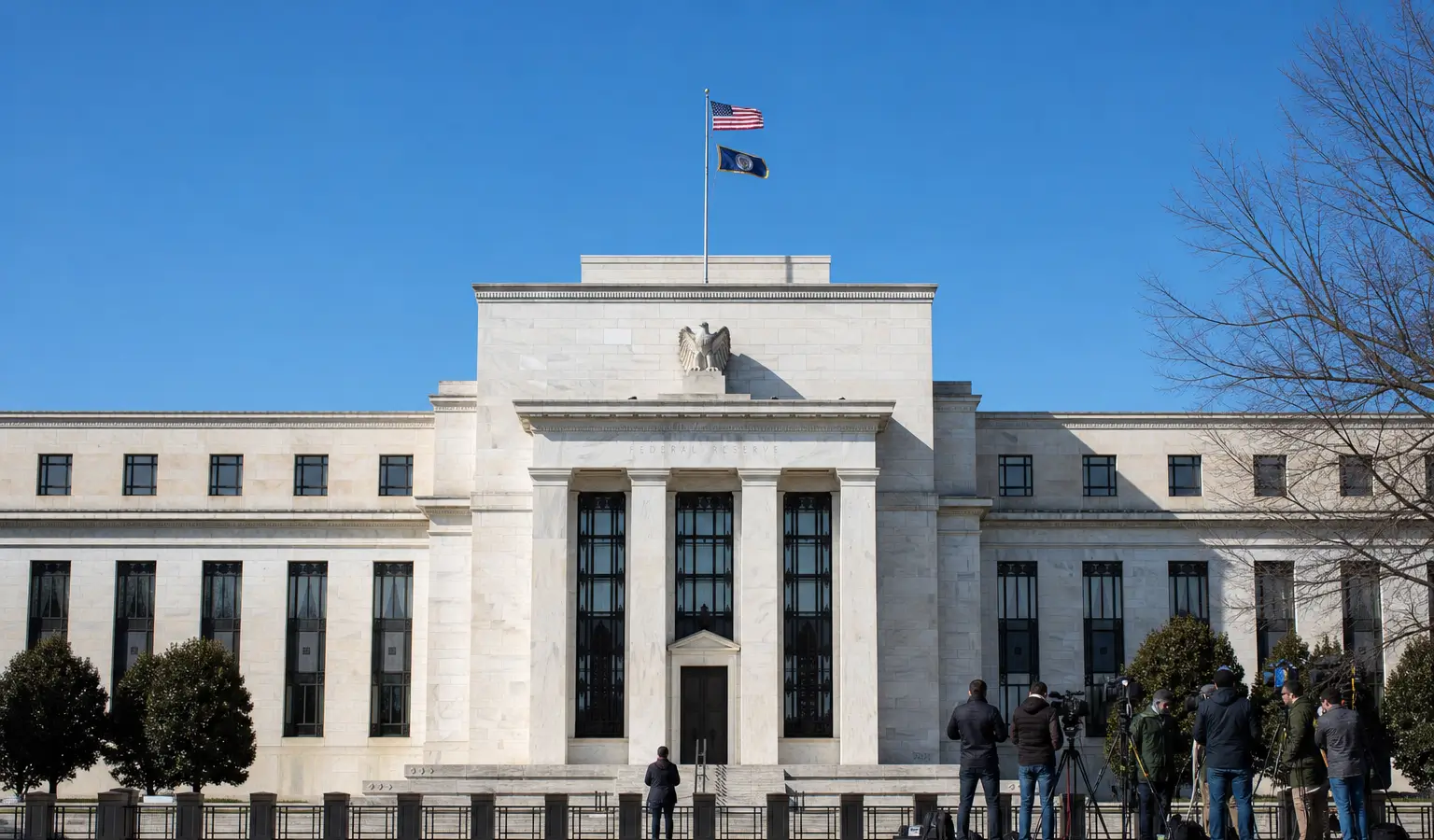
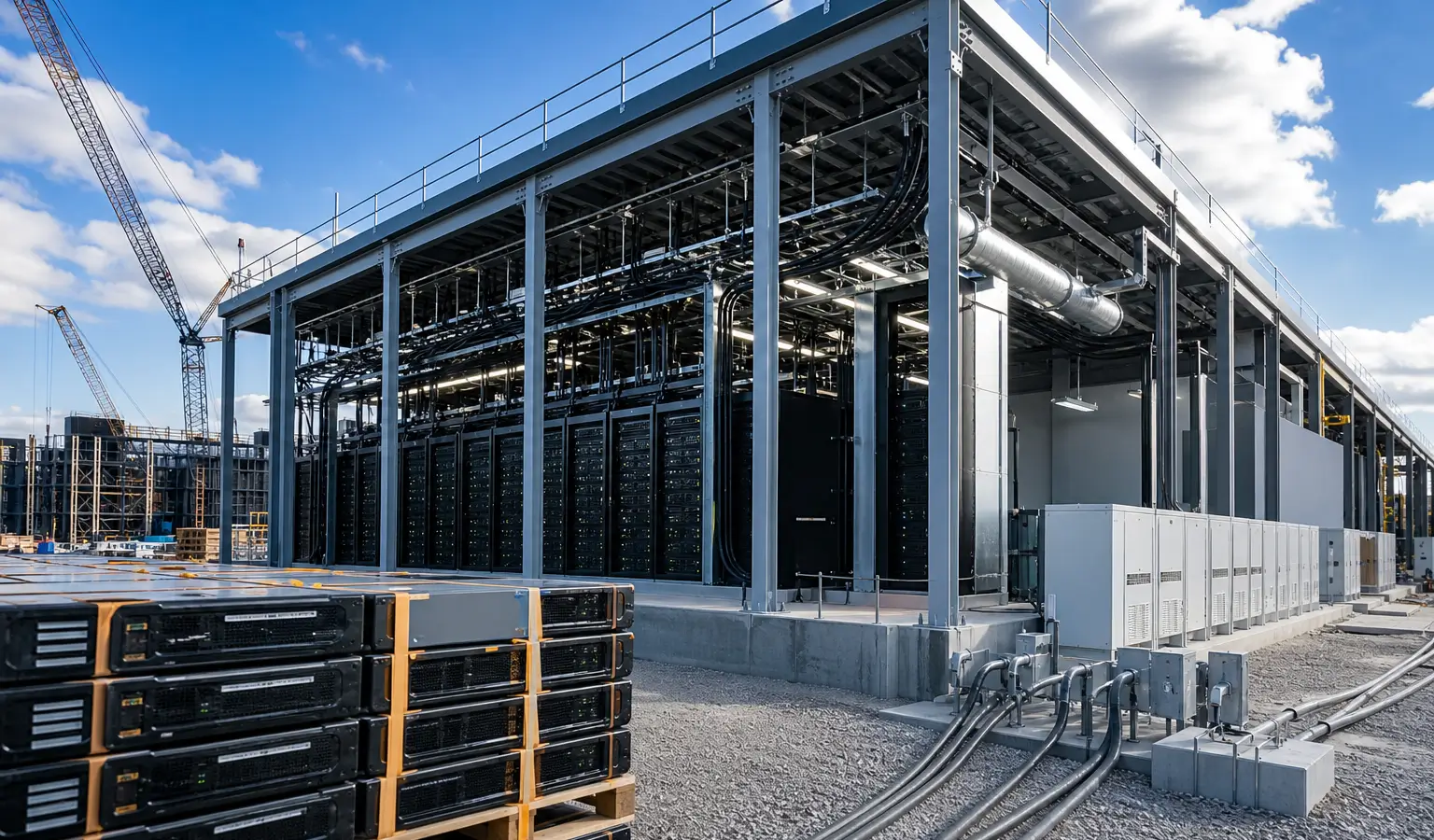
The bigger pressure is no longer coming from crypto by itself. In the minutes from its June meeting, the Federal Reserve pointed to artificial intelligence investment as one factor behind recent price pressure, especially the surge in demand for data centers, electricity, and advanced equipment. Building out that infrastructure takes a lot of capital, and the central bank said it is adding to higher prices.
That same pressure is showing up in corporate spending plans. Alphabet lifted its expected capital spending for 2026 to $195 billion (€171 billion) to $205 billion (€180 billion), Microsoft said it expects to spend about $190 billion (€167 billion) this calendar year, and Nvidia reported that data center revenue surged 92 percent to $75.2 billion (€65.9 billion). Demand for chips, servers, energy, and construction capacity is still running very hot.
Why This Matters
For European crypto investors, the main takeaway is that Bitcoin is not being driven only by crypto-specific flows right now. Higher inflation and rising rates make government bonds and cash more appealing, while a stronger dollar and higher U.S. Treasury yields leave less room for risk assets. The Bank for International Settlements also warned earlier that an AI boom could lead to overinvestment if expectations are not met, although that does not necessarily mean the current price pressure will last.
The two-year Treasury yield rose to 4.301 percent on Wednesday, its highest level in more than a year, while the 10-year yield moved toward 4.66 percent. As long as the Fed sees little room to cut rates quickly, Bitcoin will stay tied to the same capital flows now moving into AI, chips, and data centers. The Fed's next rate decision is scheduled for July 29.