Blast Shuts Down: $51 Million Remains Locked in Contracts
The Ethereum L2 is shutting down after falling revenue and TVL; users must withdraw their funds through the app by October 26 at the latest, while $51 million remains locked in contracts.
Key Takeaways
- Blast is shutting down because costs are higher than revenue, even though the chain brought in just $110 in a day.
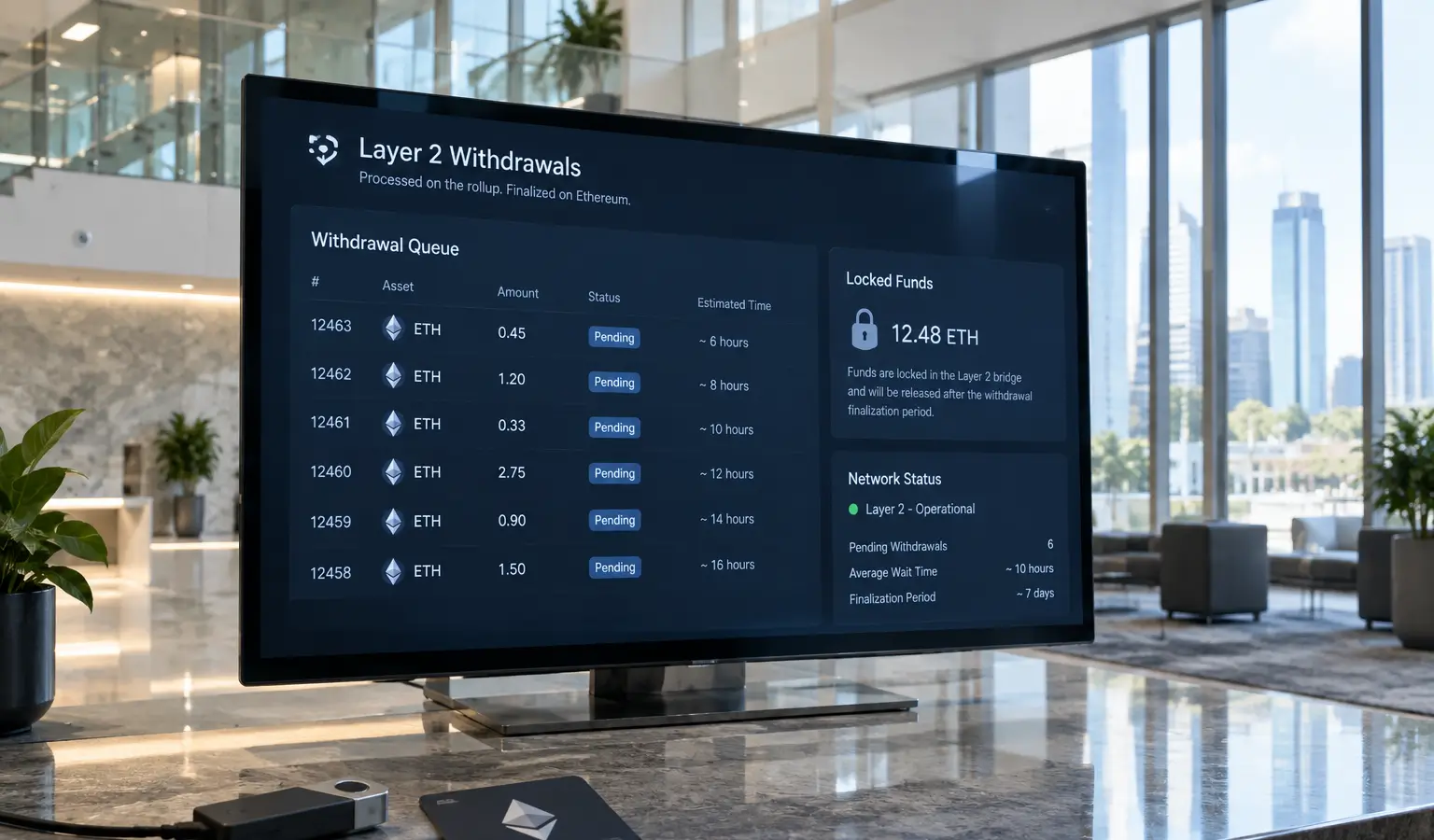
- Users must withdraw their funds through the regular app by October 26 at the latest; after that, withdrawals must go directly through Ethereum contracts.
- About $51 million remains locked in contracts, including $46.6 million in staked ETH through Lido, which slows withdrawals.
Blast is shutting down after the network still held $2.24 billion (€2 billion) in value in June 2024. Over the past day, the chain brought in just $110 (€98) in revenue, while the BLAST token fell 19% after the news. Users must withdraw their funds through the regular app by October 26 at the latest. After that, they will have to work directly with the contracts on Ethereum for withdrawals.
Why Blast Is Closing
The team said Friday that the cost of keeping the chain running is higher than the revenue, with no credible solution in sight. Founder Tieshun Roquerre, known online as Pacman, called the decision disappointing and said he is grateful for the users, developers, and teams that supported Blast.
Blast was a Layer 2 on Ethereum. The network attracted users with interest on deposits and a token reward. That promise brought in a lot of money, but interest later dropped sharply. According to DefiLlama, total value locked has now fallen to $32.3 million (€28.8 million), almost 99% below the 2024 peak.
What Happens to the Money
According to L2BEAT, about $51 million (€45.4 million) that was moved from Ethereum to Blast is still sitting in the network’s contracts. The biggest chunk, $46.6 million (€41.5 million), is locked in staked ETH through Lido. Because of that, exits do not happen right away. Blast first has to pull its money out of Lido, which takes about a week. After that, the withdrawal wait drops from seven days to 24 hours.
L2BEAT says five keyholders manage those contracts, and three of them can make changes immediately or pause withdrawals. The platform also points to a risk in the fraud-proof system, which is meant to challenge incorrect records, but it does not say any abuse has happened.
More Pressure on Ethereum L2s
Blast is not alone. In 2026, several Ethereum Layer 2 networks have already shut down or scaled back, including Zero Network and Silicon. Taiko also went offline earlier this year after a bridge exploit in which about $1.7 million (€1.5 million) was stolen. That shows that fast growth in L2s does not automatically mean smaller networks will keep enough users and liquidity for long enough.
For European crypto readers, that matters because many L2s are presented as cheaper and faster access to Ethereum. The Dencun upgrade in 2024 made posting rollup data cheaper, but Blast shows that lower costs alone are not enough if revenue and usage keep lagging.