

UK Wind Sector Looks to Bitcoin Mining as a Way Out of Grid Costs
Scottish wind farms are being paid millions to shut down, and the report sees bitcoin mining as a flexible buyer for excess power. UK banking and tax rules for crypto also come under fire.
Key Takeaways
- UK wind farms pay more than 1 billion pounds a year to temporarily shut down, and bitcoin mining could absorb some of that excess power.
- The report sees opportunities especially in Scotland, where wind generation is growing faster than the grid can move power to England.
- The authors say UK rules and banking restrictions are further slowing the development of a mature crypto market.
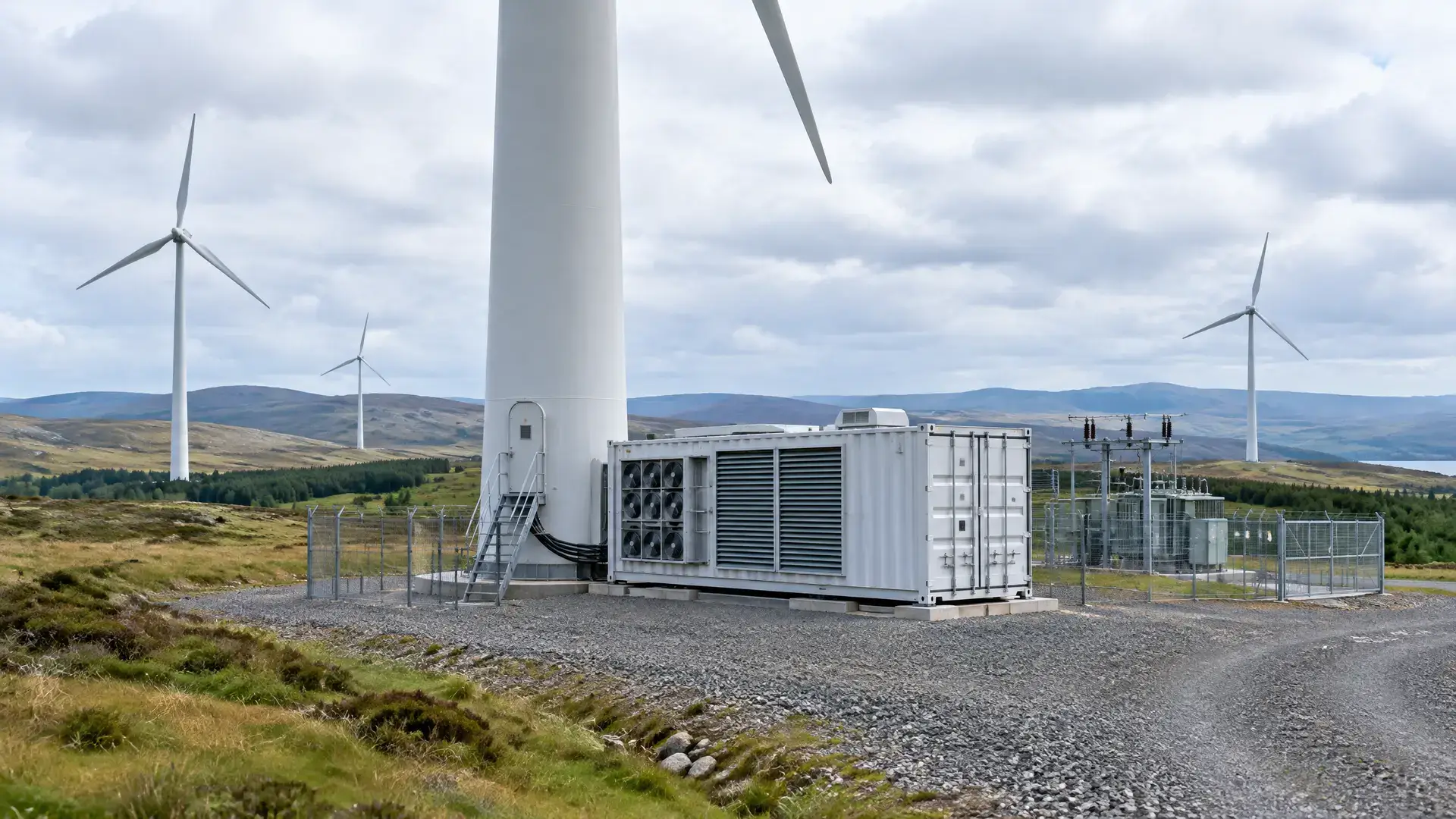
UK wind farms pay more than 1 billion pounds a year to temporarily shut down. A new report says bitcoin mining could absorb some of that excess power. According to the Bitcoin Policy Institute, the biggest opportunity is in Scotland, where wind generation has grown faster than the grid can handle in moving power to England.
Scottish Wind Power Keeps Getting Stuck
In practice, grid operators pay Scottish wind farms not to deliver power, while gas plants elsewhere have to produce more. The report, written by BPI director Conner Brown and Joey Garcia of Xapo Bank, calls bitcoin mining a flexible power buyer that can be turned on quickly and shut off again when needed.
According to the report, that flexibility matters more than it does for traditional data centers. Those often need a steady power supply and are usually located closer to major urban grids. Bitcoin miners, on the other hand, can run on cheap or otherwise curtailed power, without customers feeling the impact directly, the authors say.
The report points to research across ten mining companies, which found that facilities cut their power use between 5% and 31% of the time based on grid conditions. The authors say the U.K. Department for Energy Security and Net Zero and the National Energy System Operator should look into whether these kinds of facilities can be placed behind grid bottlenecks, especially along the border between Scotland and England.
Why This Matters for Europe
For European readers, this is especially relevant because it shows how crypto infrastructure can be tied to energy policy. In 2025, Scottish wind farms were already paid about 343 million pounds to produce less, making up more than 98% of the UK’s curtailment costs. That makes the debate over flexible power buyers like bitcoin mining interesting beyond the UK too.
More Than Just Energy
The report also uses the energy issue to make a broader point about the UK crypto market. According to the authors, the country does have a strong legal foundation for Bitcoin, but banking restrictions, tax rules, and shifting regulations are slowing the growth of a mature market.
They also point to a striking contradiction around retail investing. The UK regulator FCA had already allowed retail access to crypto exchange-traded notes, but tax changes in April once again excluded purchases in Stocks and Shares ISAs. That means the products are now only suitable for Innovative Finance ISAs, a niche setup with no major provider actively focused on it.
Banks also remain a bottleneck, according to the report. Research from the U.K. Cryptoasset Business Council would show that about 40% of retail transfers to crypto exchanges are blocked or delayed by UK banks. Brown said in a supporting statement that a regulated market only works if customers can move their money reliably and legitimate businesses are not hit with broad restrictions.