

CFTC Clashes With Courts Over Kalshi and Polymarket
The regulator is demanding that Kalshi and similar platforms stay active nationwide, despite court orders and local bans in states like Nevada and Michigan.
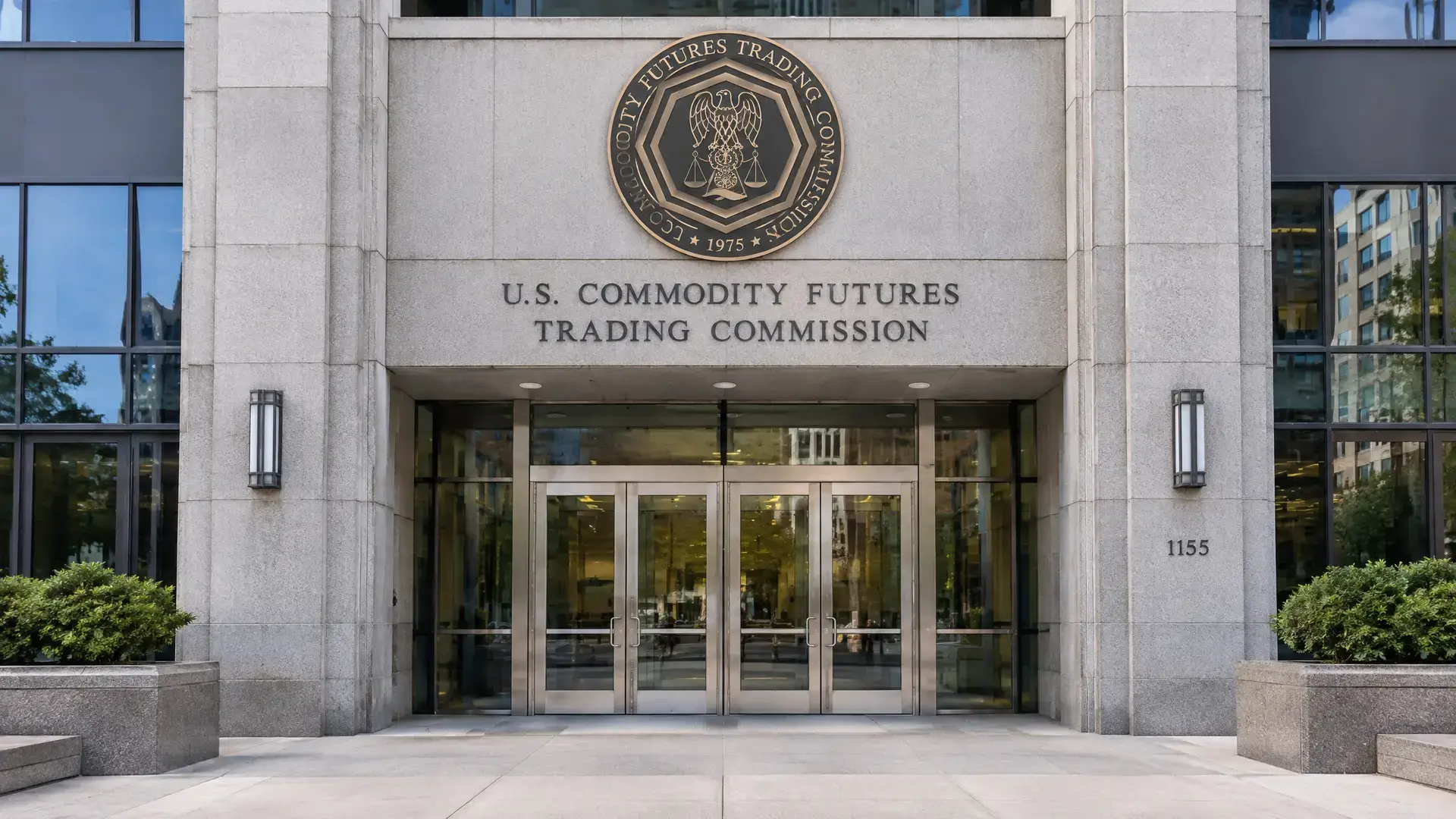
Key Takeaways
- The CFTC says regulated exchanges like Kalshi cannot shut out customers by state, even after court orders.
- The regulator is giving platforms 30 days to let blocked regions back in or explain why that is not possible.
- The ruling clashes with recent court decisions and raises legal tension around prediction markets in several U.S. states.
The U.S. regulator CFTC has opened a new legal clash with prediction markets like Kalshi and Polymarket. The regulator says regulated exchanges cannot shut out customers by state, even when judges have ordered them to do so.
New CFTC Guidance
Kalshi and similar platforms offer event contracts on things like sports, weather, and politics. They are registered with the CFTC as designated contract markets, or DCMs, and therefore fall under federal rules for the derivatives market. According to the regulator, these platforms must stay active nationwide and cannot simply go offline in specific states.
The CFTC is giving companies 30 days to let the blocked regions back in, or to explain why that is not workable. In practice, this involves customers who were previously geofenced in states like Nevada, Washington, and Michigan, while Kalshi tries to fight its legal battles with local authorities there.
Court Pressure Is Building
The CFTC's new stance directly clashes with recent court rulings. Over the past few days, several decisions have gone against the prediction market companies, including cases involving Connecticut, New York, and tribal jurisdictions in California. Utah is also continuing to take a hard line against Kalshi, with civil actions and even new criminal charges.
The political and legal tension around this kind of market is also rising. Over the past period, the CFTC has sued several states to stop local rules from interfering with the federal approach to prediction markets. That shows how hard it is to fit new investment products into existing rules, especially when states see them as gambling and the regulator treats them as legitimate derivatives.
Why This Matters for Europe
For European crypto and fintech watchers, this is especially relevant because prediction markets are increasingly seen as a gray area between trading, gambling, and regulated financial products. The U.S. fight shows how quickly regulation can clash when a new product is active in multiple jurisdictions at once. That makes the debate over market access and uniform rules interesting outside the U.S. too.