

CFTC Clashes With Industry Over Stock Perps After Crypto Move
The regulator wants to allow open-ended futures for stocks, but industry groups call them securities-based swaps. The case also touches on the CFTC’s earlier stance on bitcoin perps.
Key Takeaways
- Capital Markets Alliance is suing the CFTC to block approval of single-stock perpetual futures.
- The group says these products are securities-based swaps and therefore fall under the SEC.
- The CFTC had already opened a path for similar crypto perps and is now also allowing open-ended futures for stocks.
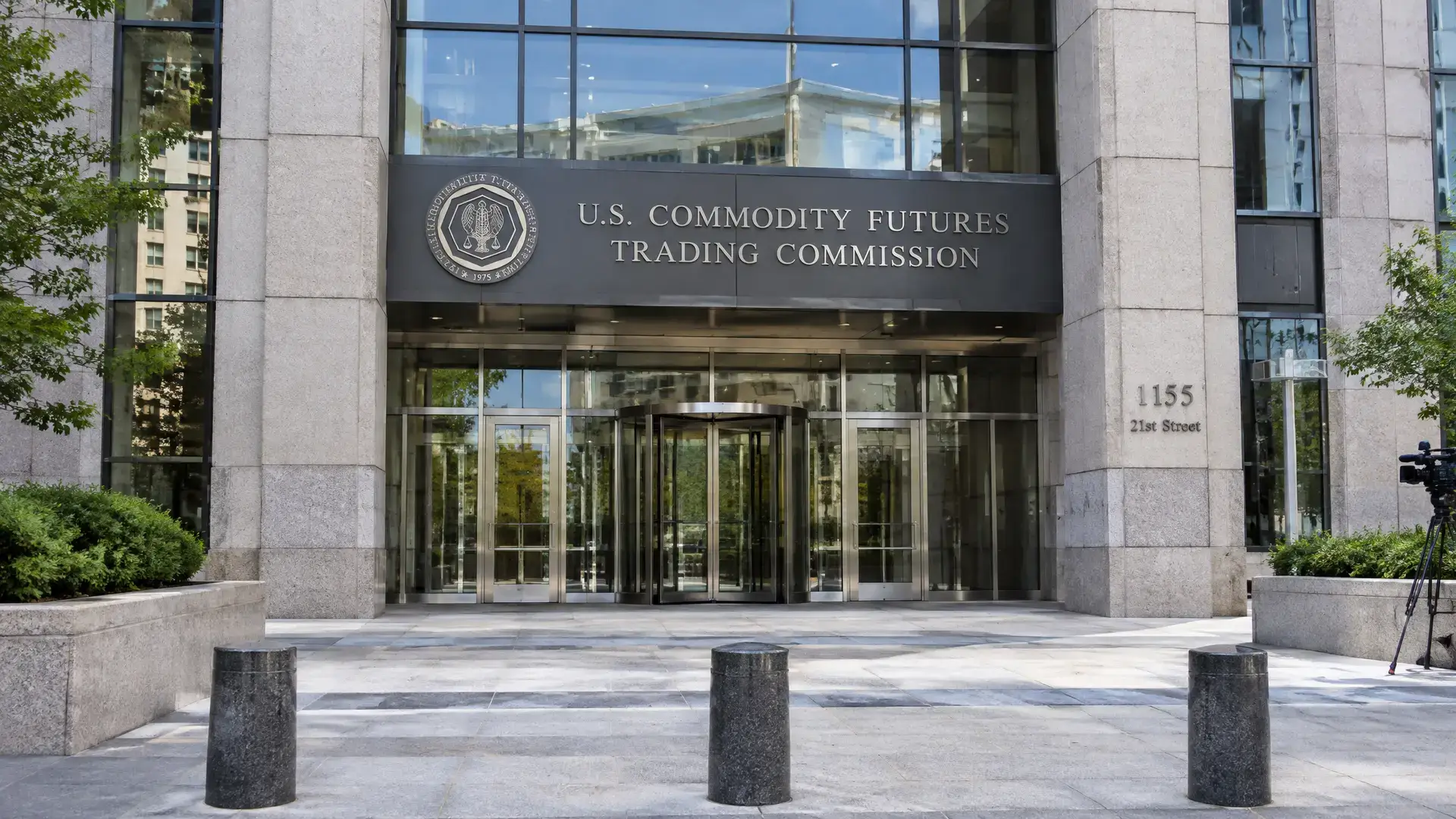
The U.S. derivatives regulator CFTC is once again under fire over perpetual futures. A new industry group made up of traditional financial firms has sued the regulator to block approval of single-stock perpetual futures, even as the CFTC has opened a path for similar crypto perps.
Lawsuit Against the CFTC
Capital Markets Alliance went to federal court in New York on Tuesday. The group says the new products are really securities-based swaps and therefore fall under the SEC, not the CFTC. According to the complaint, the regulator also did not explain enough why this policy shift fits within the law or why it conflicts with an earlier position.
The organization says it has support from major market players, including Cboe and Citadel Securities. The move came on the same day the CFTC announced that open-ended futures contracts for stocks may be traded in the U.S.
From Crypto Perps to Stocks
The CFTC’s new approach builds on the step the regulator took about five months ago for bitcoin perps. At the time, it was already trying to bring a market that had mostly grown offshore into the U.S. Perpetual futures have taken off in crypto, with more than $630 billion (€564 billion) in trading volume over the past month, according to DefiLlama.
That popularity mainly comes from demand for continuous, leveraged trading tools without a fixed expiration date. That is exactly what makes the debate sensitive now, because critics say the same setup for stocks calls for different rules and a different regulator.
Why This Matters
For European crypto readers, this matters mainly because the U.S. regulator is now pushing a structure from the crypto market into traditional stocks too. That could say something about how quickly products from the crypto industry are being adapted for broader markets, but also about the legal boundaries between the CFTC and the SEC. Criticism from groups like SIFMA shows that this line in the U.S. is still far from settled.
The debate fits into a broader wave of U.S. regulators testing new market structures, from crypto to tokenized stocks and event contracts. The CFTC’s recent move to open the U.S. market for perpetual futures on stocks also shows how quickly the line between crypto and traditional derivatives is blurring.