

CFTC Forces Kalshi to Stop Trump Mention Contracts
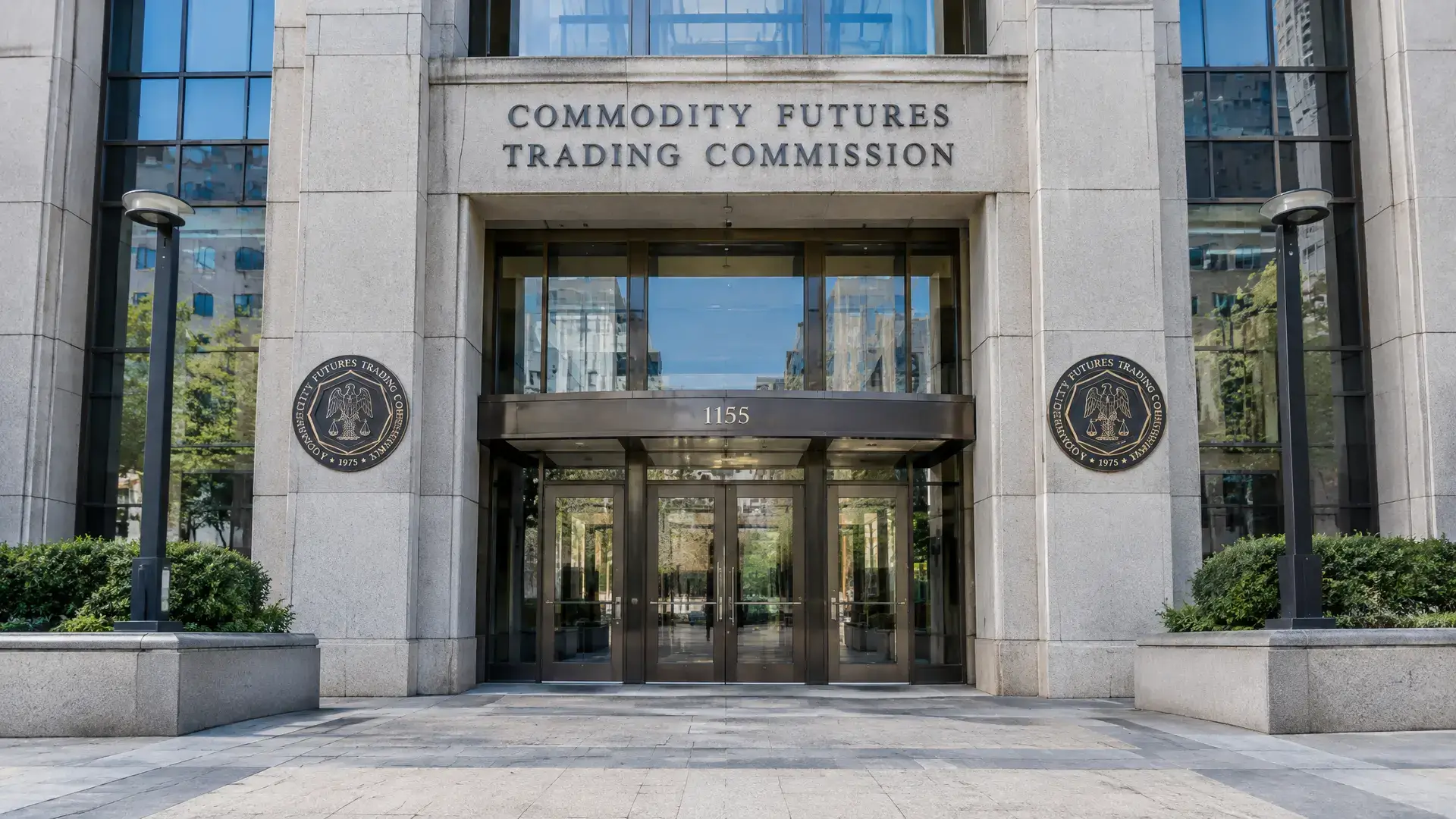
Kalshi is dropping the so-called mention markets after action from the CFTC. The regulator sees contracts tied to Trump’s remarks as hard to monitor and vulnerable to manipulation.
Key Takeaways
- Kalshi is stopping contracts tied to possible public remarks by Donald Trump after the U.S. regulator CFTC issued an order to that effect.
- The CFTC sees so-called mention markets as vulnerable to manipulation and previously warned that these contracts could be easy to influence.
- The case fits into broader U.S. pressure on prediction markets, partly because of concerns about insider trading and tighter rules for event contracts.
Kalshi is stopping the offering of contracts about what President Donald Trump might say in public after the U.S. regulator CFTC issued an order to do so. The crypto company and prediction market platform said Tuesday that it is complying with the order.
CFTC Steps In
According to Kalshi, these are so-called mention markets, one of the most controversial types of event contracts. The regulator has long seen these markets as vulnerable to manipulation because the outcome depends on the words of one person and those words are not always easy to verify.
The CFTC had already warned in September about the risks around this kind of contract. In that guidance, the regulator said mention markets may be “presumptively readily susceptible to manipulation.” The regulator also reminded exchanges that they may only offer derivatives that are not easy to manipulate.
More Pressure on Mention Markets
The issue fits into a broader debate about the CFTC’s role in prediction markets. The regulator has exclusive authority over U.S. commodity derivatives markets, including this kind of market, and it is defending that position in court as well. In April, the CFTC filed lawsuits against Arizona, Connecticut, and Illinois to confirm that exclusive role after those states tried to impose their own restrictions on event contracts.
Mention markets have been under a microscope for a while. In July, a former White House teleprompter operator was investigated for allegedly using inside information about Trump’s prepared remarks to bet on Kalshi’s mention markets. That fueled concerns about insider trading and unfair trading in this segment.
The legal fight over prediction markets themselves is also far from over. In a separate case, the CFTC kept up the pressure on Kalshi and Polymarket by arguing that these platforms cannot block customers by state, even if judges have ordered that in some jurisdictions.
What This Means for Readers
For European crypto followers, this matters mainly because prediction markets are increasingly seen as a gray area between crypto, derivatives, and regulation. The case shows that U.S. regulators are taking a closer look at contracts based on public remarks from politicians or officials. That could matter for platforms active in multiple markets, especially now that rules around event contracts are getting tighter.