

CFTC Gets Support From Coinbase and Kraken in Stock Perps Case
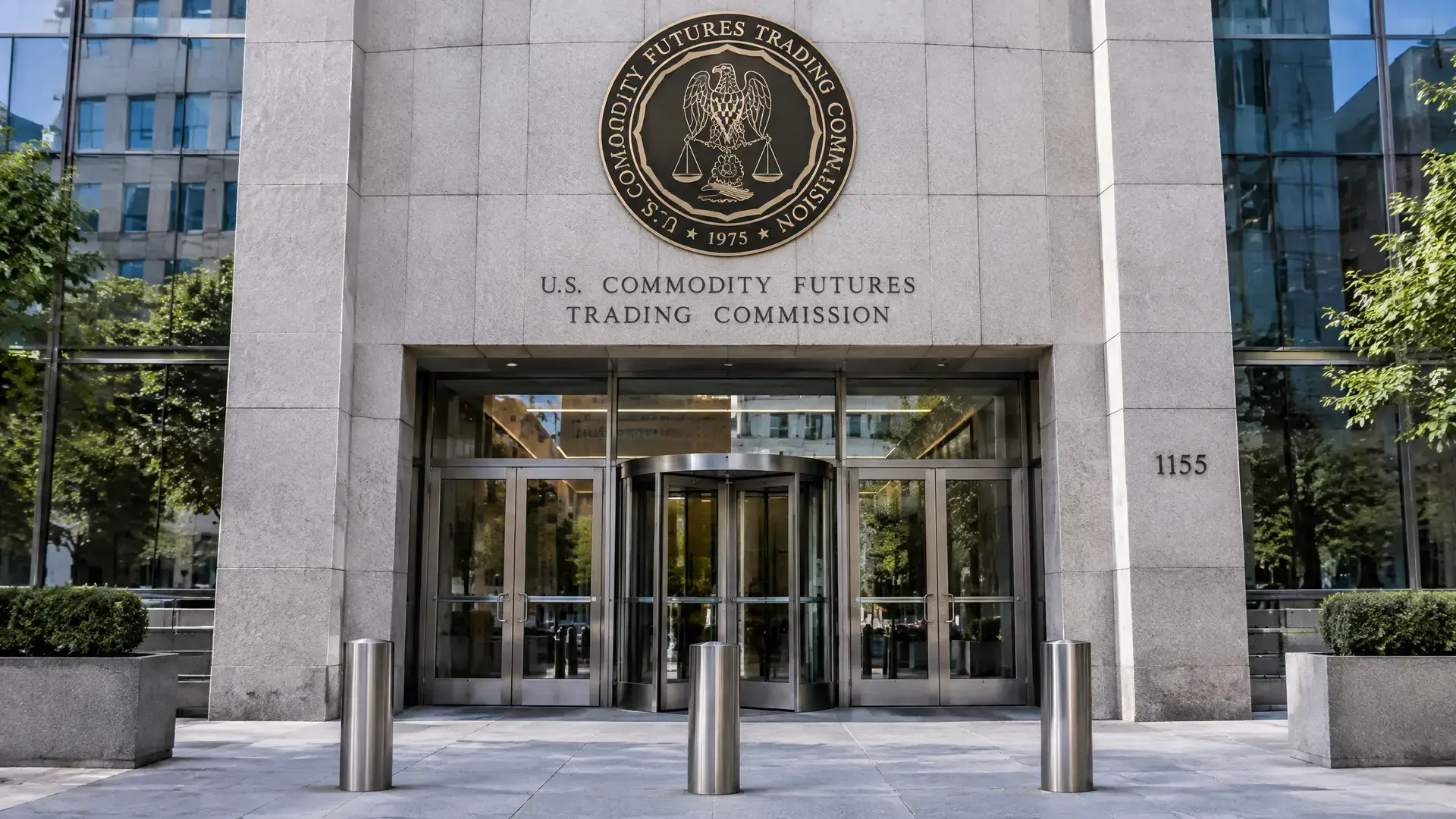
Coinbase, Kraken, and other parties are backing the CFTC in a lawsuit over stock perps. The outcome could decide whether these stock derivatives fall under the CFTC or the SEC.
Key Takeaways
- Coinbase, Kalshi, Payward, DRW, Jump Trading, and Paradigm are backing the CFTC in a lawsuit over oversight of perpetual futures on individual stocks.
- The Capital Markets Alliance says these so-called stock perps fall under SEC oversight, not the CFTC's.
- Coinbase, Kalshi, and Payward got approval on November 2 to list U.S. stock perps, but the lawsuit has to determine whether that holds up legally.
A group of crypto companies has backed the U.S. regulator CFTC in a lawsuit over who gets to regulate perpetual futures on individual stocks. Coinbase Global, Kalshi, and Kraken parent Payward, DRW Holdings, Jump Trading, and Paradigm filed a brief with the federal court in New York. The Capital Markets Alliance argues that these products fall under the SEC instead.
Battle Over Stock Perps
The case centers on so-called perpetual futures, derivatives that let traders speculate on the future price of an underlying asset without an expiration date. In the crypto market, these contracts have been around for a while, but now the issue is a version tied to individual stocks. According to the CMA, those stock products fall under the oversight of the Securities and Exchange Commission.
The CFTC has already faced criticism from the CMA, which says it is backed by traditional financial firms such as broker-dealers Cboe and Citadel Securities. Earlier this month, the regulator already called that move concerning and said markets should be guided by law, not by lawsuits meant to block innovation.
Why This Matters
The case matters for European crypto followers because U.S. regulators are deciding how far the line stretches between crypto derivatives and traditional securities. For crypto companies that want to offer stock perps, the outcome could make clear which regulator ultimately has the final say. That is also important for the broader debate over how quickly new trading products can reach the market in the U.S.. The recent approval of perpetual futures on stocks shows how quickly that line is shifting in practice.
New Approvals
Coinbase, Kalshi, and Payward filed their own applications to list U.S. stock perps, and those were approved on November 2. The CFTC has at least already taken an initial step toward trading these products on regulated markets. The current lawsuit is now mainly about whether that approval will hold up legally.