

CFTC Puts Hyperliquid Under the Same Rules as Exchanges
The regulator is making it clear that onchain derivatives will not get separate treatment. For Hyperliquid and other crypto exchanges in the U.S., the main issue is having the right license or working with a licensed exchange.
Key Takeaways
- CFTC Chair Michael Selig said onchain platforms like Hyperliquid follow the same rules as traditional derivatives exchanges.
- U.S. retail traders can get perpetual futures through licenses or by working with a licensed exchange.
- Backpack received approval in the U.S., while firms are working on regulated access to Hyperliquid trading.
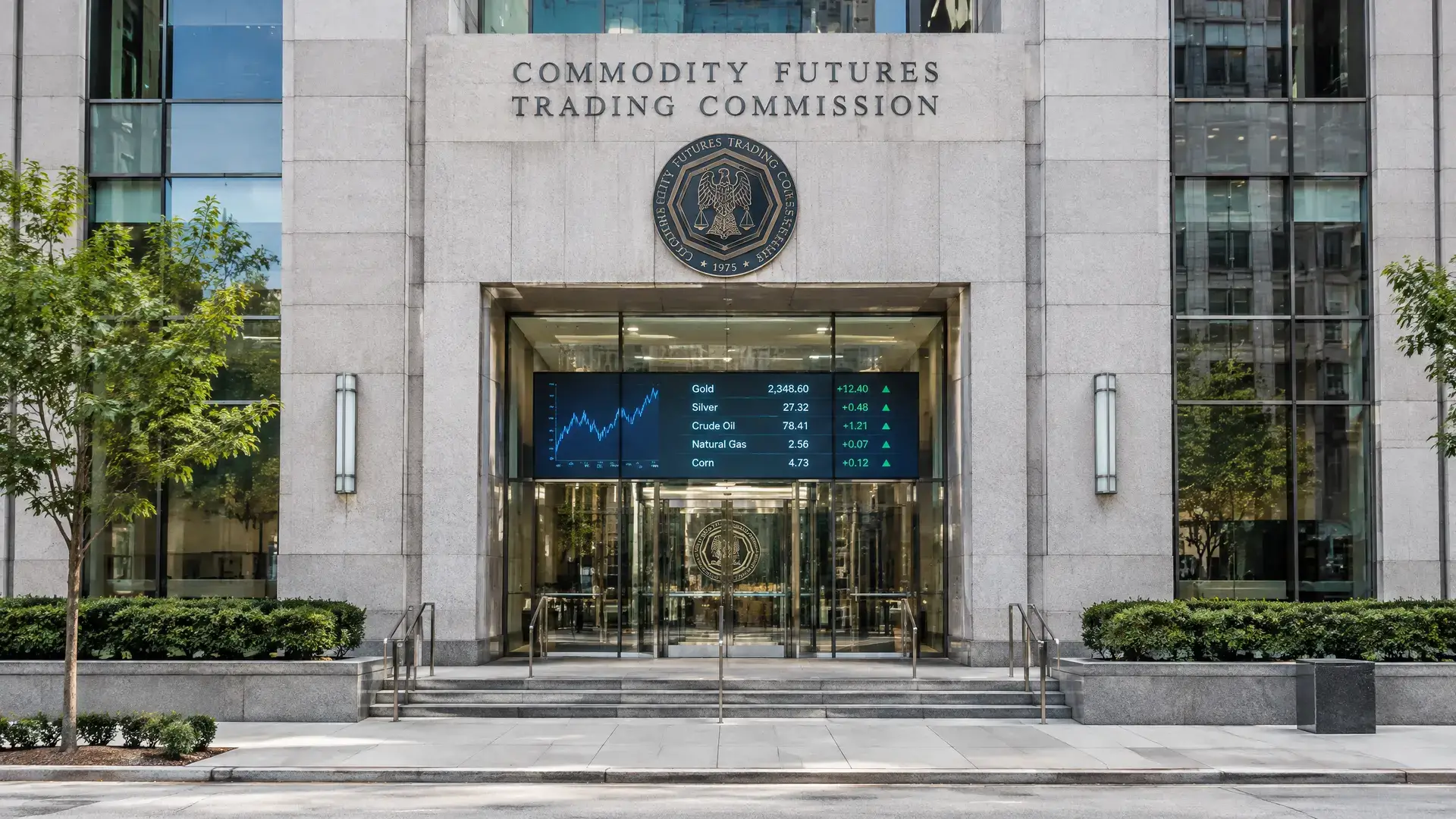
Crypto exchanges like Hyperliquid can offer perpetual futures to American retail traders if they get the right licenses or work with a licensed exchange, CFTC Chair Michael Selig said. According to him, onchain trading platforms are subject to the same rules as traditional derivatives exchanges, with no special exceptions for blockchain technology.
No Separate Treatment
Selig said Thursday during The Hill and The Block’s Capitol Crypto Forum in Washington that the regulator will not treat onchain platforms differently just because they run on blockchain. For crypto companies that want to offer derivatives in the U.S., that sends a clear message: existing oversight still applies.
He pointed to crypto exchange Backpack, which this week received approval to operate a derivatives exchange and clearinghouse in the U.S., along with registration as a futures broker. According to Selig, that shows crypto-native companies can still access the market as long as they meet the same requirements as everyone else.
Hyperliquid Looks for a Route Into the U.S.
The comments come at a time when several parties are already working on regulated ways to bring Hyperliquid-based trading to the U.S. The decentralized exchange itself is not yet available to American customers, but Kraken parent Payward announced plans in September to offer perpetual futures through the CFTC-regulated Bitnomial Exchange, using Hyperliquid’s blockchain, pending approval.
Hyperliquid Strategies also recently said that its subsidiary HypeStrat Markets has applied to become a registered futures commission merchant. That could allow U.S. customers to trade in markets built on Hyperliquid if the application is approved.
More Pressure on the Regulatory Framework
The statement fits into a broader phase in which the CFTC and the SEC are each developing their own crypto rules after Congress failed earlier this year to pass a joint market structure bill. The Clarity Act failed in the Senate in September, leaving the sector in a gray area.
For European crypto followers, this matters because it shows the U.S. does not see onchain trading as outside existing oversight. The CFTC seems to want to make room for new products, but only within a licensing system that also applies to traditional markets. That could matter for how crypto exchanges structure their products internationally.
The broader shift is also visible in the way regulators are looking at other onchain products, such as perpetual futures on stocks, which now fall under a similar licensing framework.