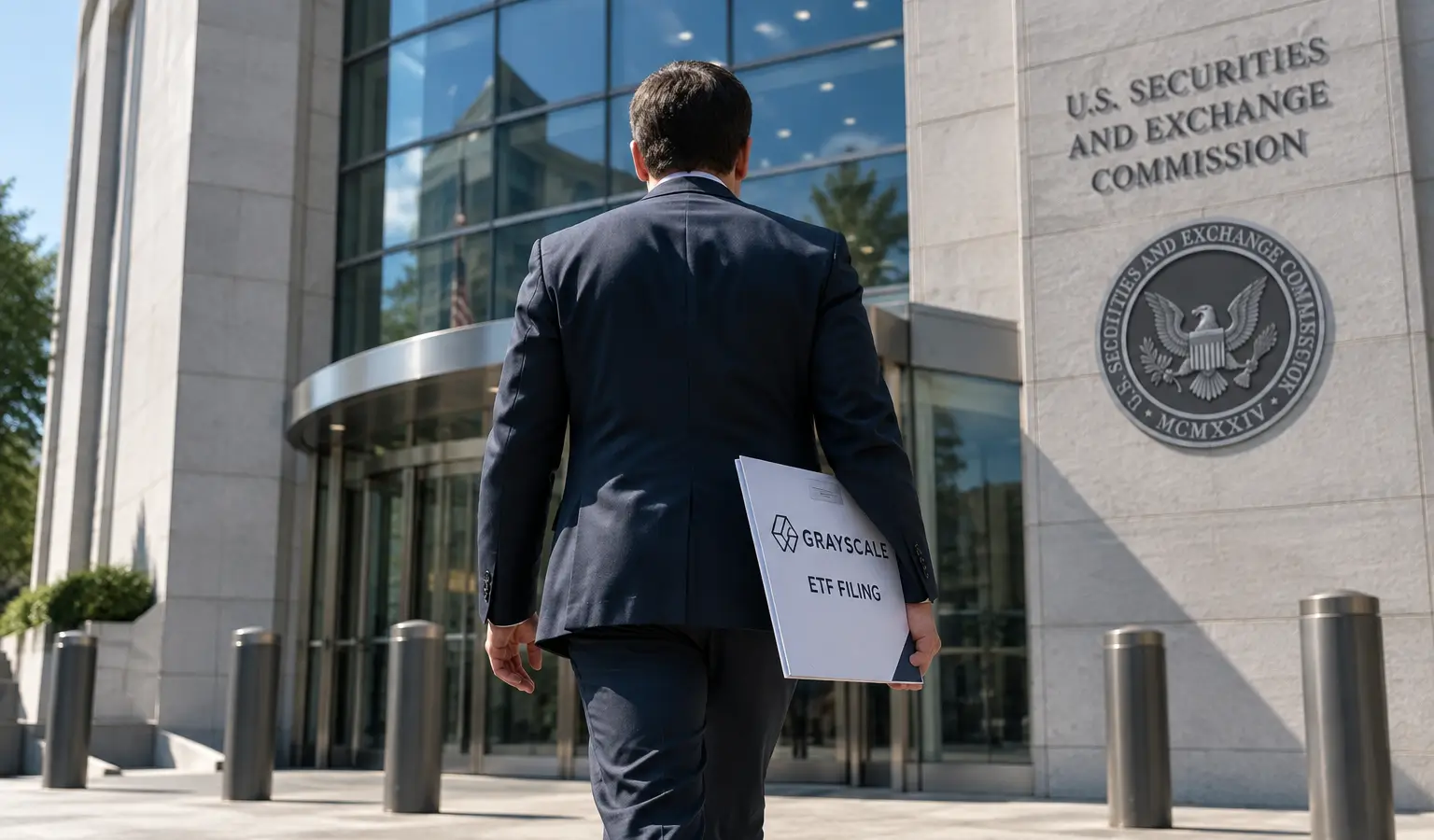
Clarity Act Stalls in Senate After Political and Ethical Fight
The bill was meant to bring clarity to SEC and CFTC oversight, but ethical concerns around Trump and divisions in the Senate got in the way.
Key Takeaways
- The U.S. Clarity Act stalled in the Senate after a political fight, a failed ethics deal, and rising tensions around Donald Trump.
- The bill was supposed to define oversight between the SEC and CFTC, but the future of the proposal is now uncertain.
- Divisions inside the crypto industry and the approaching midterms also made the issue too politically sensitive.
The U.S. Clarity Act, meant to make the U.S. crypto market easier to regulate, has stalled in the Senate after months of political fighting, a failed ethics deal, and rising tensions around Donald Trump. The bill was supposed to spell out how the SEC and the CFTC would oversee the sector, but the future of the proposal is now uncertain.
Why It Fell Apart
According to conversations with more than a dozen people involved in the industry and Congress, the process got stuck in several places. The Senate was working on its own version of the bill, while the House had already passed a broad version by a vote of 294 to 134. At the same time, Trump's crypto activities, including World Liberty Financial, the $TRUMP memecoin, and American Bitcoin, created extra resistance among Democrats.
That ethics issue became a major sticking point. Democrats wanted limits on personal crypto holdings for top officials, but Republicans and Democrats could not reach a deal. Timing also worked against the proposal: the procedural vote came just before the midterms, leaving few senators willing to take a risk on a complex issue that could easily be turned into a political fight.
The Role of the Industry
Politics was not the only thing drawing criticism. The crypto industry itself may have made the process harder through scattered lobbying and unclear negotiations. Coinbase and CEO Brian Armstrong also drew extra attention after the company earlier withdrew support for a Senate version of the bill, partly because of how stablecoin yield and rewards were handled. That led to months of debate between the crypto and banking industries.
Several people involved said an earlier ethics deal could have improved the odds. Instead, a revised proposal came late in the process, just as election season was heating up. According to Ripple chief legal officer Stu Alderoty, politics clearly took priority over policy.
What This Means for the U.S.
For European crypto watchers, this shows how wide the gap still is between political support for crypto in Washington and actual legislation. The U.S. still does not have broad federal rules for spot markets, while the SEC and CFTC are mostly trying to fill the gaps with guidance and piecemeal actions. That keeps regulatory uncertainty alive for companies and investors.
The file also shows that the crypto industry does have political influence, but that influence does not automatically turn into legislation. Big campaigns and lobbying efforts can create a lot of pressure, but without a broad political compromise, market structure legislation remains vulnerable to timing, elections, and party interests.
Earlier, the failed vote already led to a broader political fallout, including a change at the top of the Blockchain Association. That highlighted how big the impact of the stalled bill is for crypto regulation lobbying.