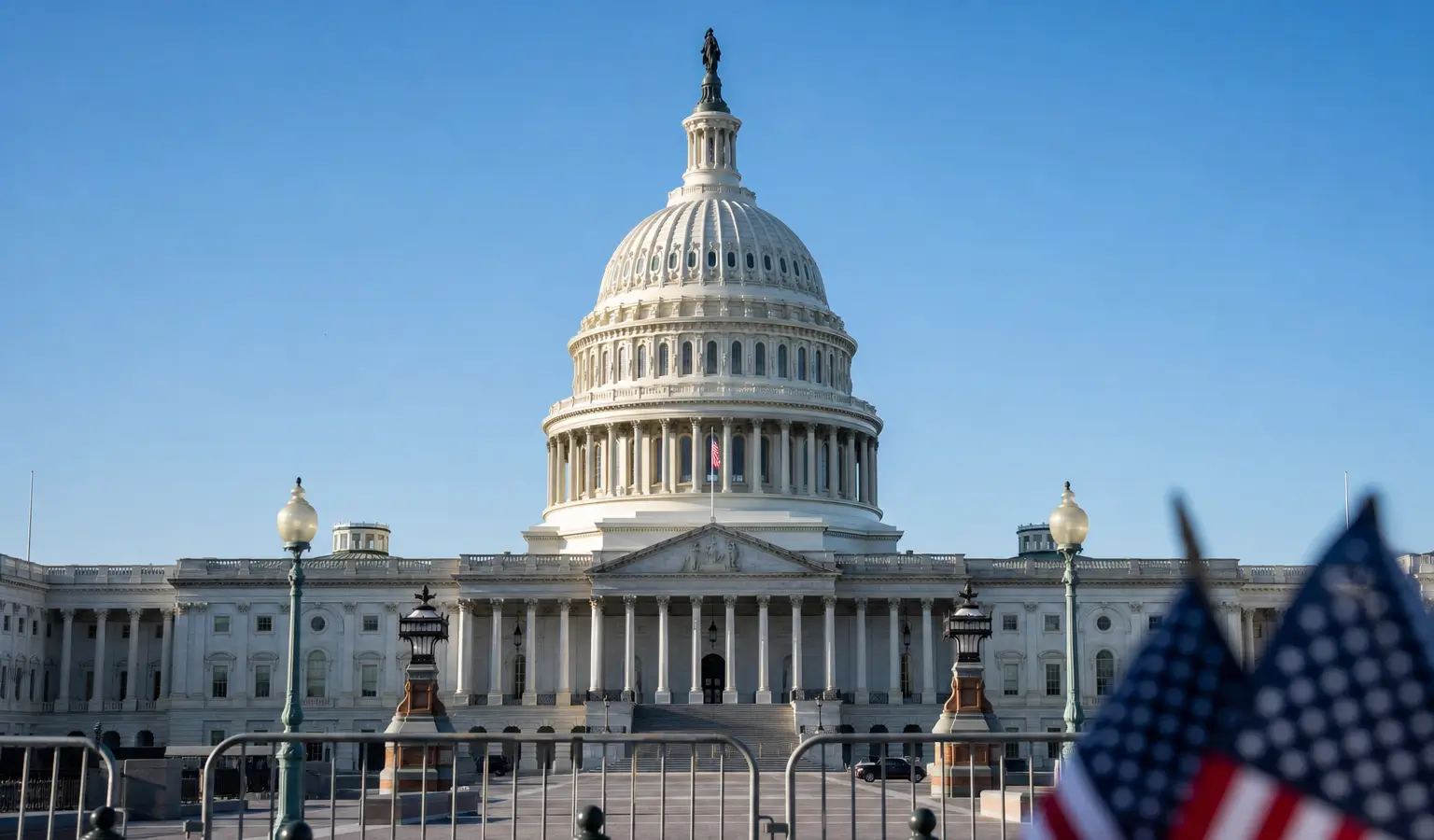
CLARITY Act Stalls in the Senate Over Trump Ethics
More than 200 crypto organizations support the bill, but Democrats are blocking it over concerns about Trump’s $TRUMP revenue and ethics enforcement.
Key Takeaways
- The CLARITY Act is gaining more support, but the Senate now looks unlikely to pass the crypto bill before the summer recess.
- More than 200 crypto organizations, Senator Cynthia Lummis, and the National Fraternal Order of Police support the updated bill.
- Democrats are blocking the bill over ethics concerns tied to Donald Trump and his crypto income.
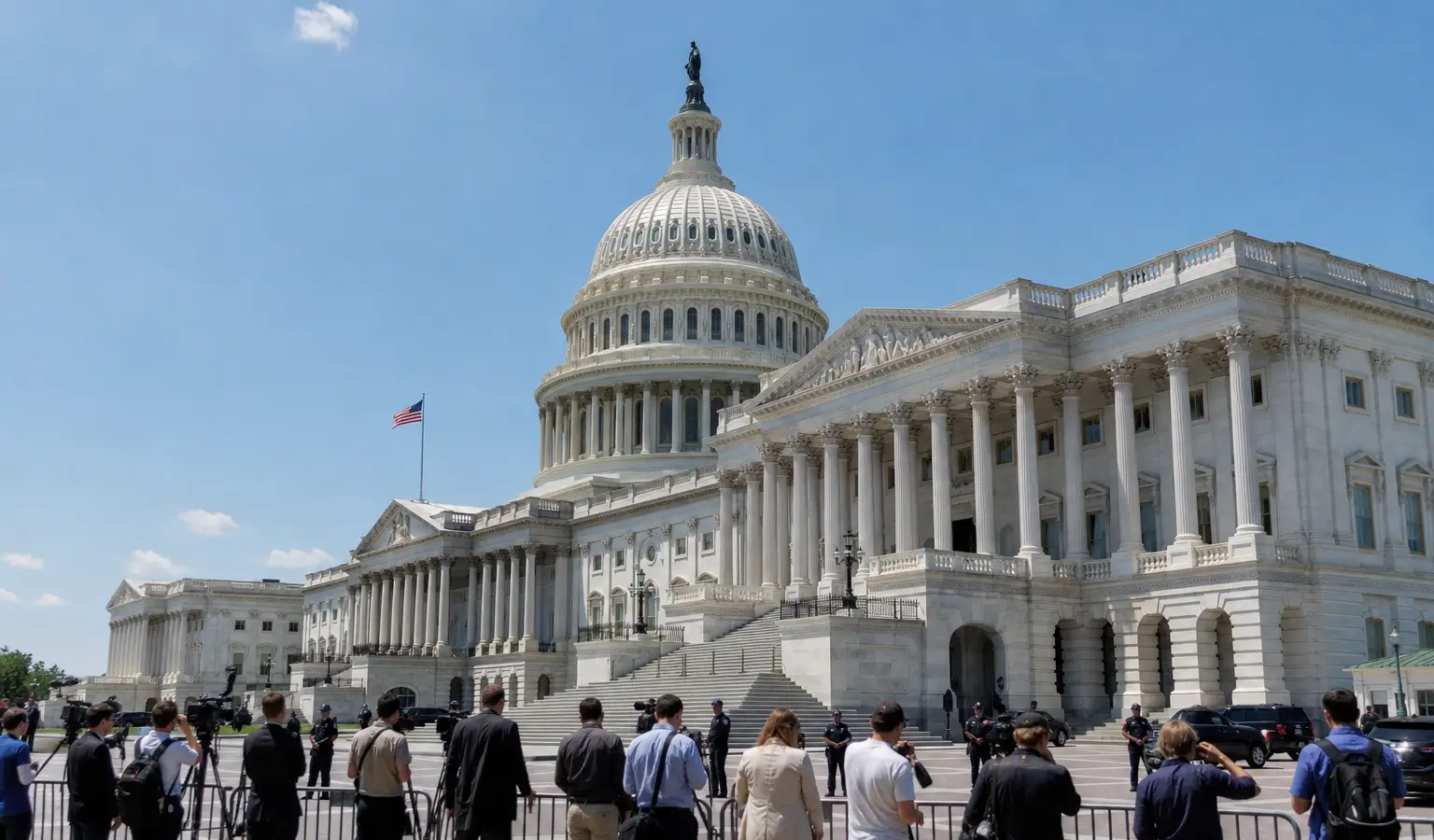
The CLARITY Act is drawing more backing in Washington, but the Senate leader says it is unlikely to clear the chamber before the summer recess. That leaves one of the most closely watched U.S. efforts to set clearer crypto rules stuck in the middle of political fights over Donald Trump and a shrinking legislative calendar.
Support Is Growing, But Time Is Running Out
More than 200 crypto organizations are urging the Senate to move fast. The list includes the Blockchain Association, the Crypto Council for Innovation, and the Digital Chamber. Their argument is simple: clearer rules could help keep crypto businesses in the U.S. instead of driving them to other markets.
The bill also received a policy update this week from new text from Senator Cynthia Lummis. The revised version is aimed at stronger customer protections, including language making clear that customer crypto still belongs to them if a crypto exchange fails. That speaks directly to a concern many investors still associate with the Celsius and Voyager bankruptcies in 2022, when customers were locked out of their funds for a long time and later recovered only part of their money.
Law enforcement is also lining up behind the bill. The National Fraternal Order of Police, which represents more than 382,000 officers, endorsed the updated version on Friday. The group said its earlier concerns about developer protections had been addressed enough to support the measure.
Political Blockade in the Senate
Even with that momentum, the votes still are not there. The bill needs 60 Senate votes to pass, and Republicans control only 53 seats. That means at least seven Democrats would need to join in, and for now none of them appear ready to do so.
The CLARITY Act is not new to Congress. The House passed it in July 2025 with broad bipartisan support. At its core, the bill would shift most crypto oversight to the CFTC instead of the SEC. It is also meant to make digital asset classification clearer by tying it more closely to an asset’s economic role and network design, giving both regulators and market participants fewer gray areas to deal with.
The main obstacle now is Trump ethics. Democrats are pointing to Trump’s own disclosure, which says he made about $1.4 billion (€1.2 billion) from crypto last year, mostly through his $TRUMP meme coin and World Liberty Financial. Republicans added extra ethics provisions, but Democrats say they do not go far enough. Under the current version, only Trump’s Justice Department could enforce the rules, while states would have no role.
What This Means for Europe
For European crypto readers, the stakes are still high because the U.S. continues to shape how exchanges, tokens, and regulators think about crypto worldwide. If the CLARITY Act remains stuck, uncertainty will linger over which U.S. regulator sets the tone for the market. That could also affect European firms that have exposure to U.S. rules, customers, or listings.
The calendar is working against it too. The Senate meets for just one week in August before recessing until September 14. After that, budget and defense bills will take over the agenda. Senate leader John Thune said he still wants to keep the process moving, but he does not expect a final vote in time. On Polymarket, the odds of passage this year have dropped to about 37%, while Galaxy cut its estimate to 30% in July.