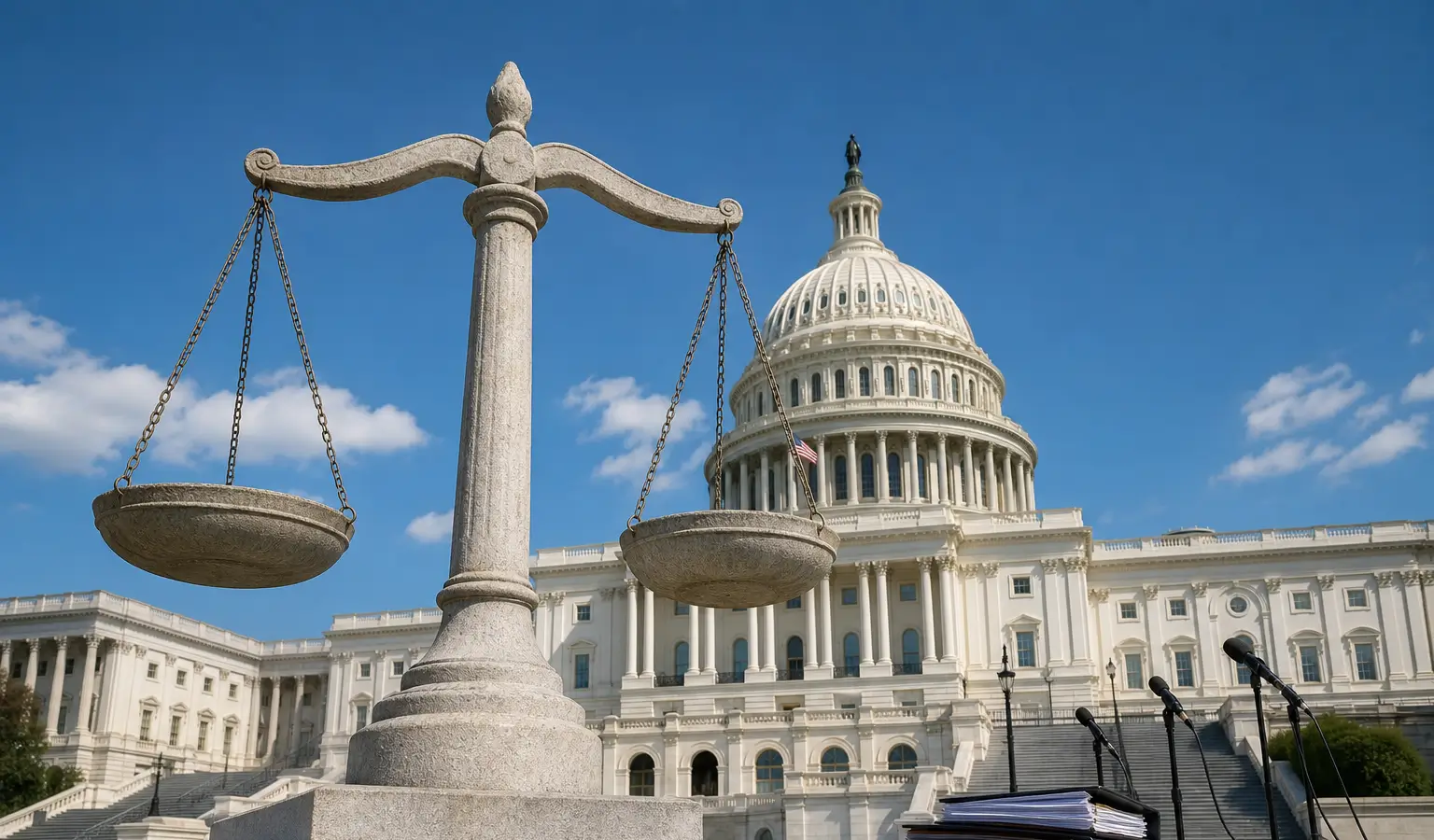
Clarity Act Under Pressure From Banking Sector in Senate
The Senate must first agree on September 15 to open debate on the Clarity Act, while banks still want changes. The bill is meant to define the roles of the SEC and CFTC for crypto and payment stablecoins.
Key Takeaways
- The U.S. Clarity Act is under time pressure because the banking sector still wants changes right before the Senate vote.
- According to Summer Mersinger, reopening a provision that has already been negotiated for months could delay the bill or cause it to fail.
- The bill is meant to clarify the duties of the SEC and CFTC and set rules for crypto platforms and payment stablecoins.
The American Clarity Act is under time pressure as the banking sector still wants to make changes right before a crucial Senate vote. According to Summer Mersinger, CEO of the Blockchain Association, reopening a provision that has already been negotiated for months would only delay the bill and could even cause it to fail.
Tight Political Calendar
Mersinger points out that the Senate must first get 60 votes on September 15 to open debate on the bill. After that, she says, there are fewer than three legislative weeks left before the budget fight takes over the agenda and the legislative window heading into the midterm elections closes almost completely.
That timing makes any new round of negotiations difficult. According to her, the banking sector is asking to reopen a section that its representatives have already been involved in for months. That would not improve the text, but instead start another round of talks that there is practically no time left for.
What the Bill Is About
The Clarity Act is meant to sharpen the division of responsibilities between the SEC and the CFTC. The bill is also supposed to set rules for platforms serving U.S. customers, with requirements around registration, separation of customer funds, and rules against conflicts of interest.
For European crypto readers, that matters because the U.S. is trying to create a broader market structure for crypto beyond just stablecoins. The bill also addresses the role of payment stablecoins, which directly raises the question of which regulator should oversee which digital assets.
Mersinger says the banks' proposed wording changes are not minor edits, but a substantive shift in direction. In particular, replacing the standard with “substantially similar” and removing “solely” would, in her view, noticeably change the scope of the bill.
Why the Timing Matters
The debate comes at a time when the bill has already taken a long political path. According to the provided context, the Clarity Act was introduced in May 2025 and passed the House of Representatives with bipartisan support in July 2025. That makes the upcoming Senate step especially important, because another delay would reduce the chances of further action this fall.
Mersinger says the bill already includes the necessary safeguards for consumers and market participants. Her main point is simple: the text is there, the negotiations are mostly done, and now the Senate has to decide whether the debate moves forward or gets stuck again.
The pressure on the Senate fits into a broader deadlock around the market structure bill. The CFTC is also already preparing its own crypto rules in case Congress does not finish the bill on time.