CME Warns of Tax Risk Around Crypto Perps
The debate centers on how perpetual futures are taxed in the U.S., where a reclassification as swaps could affect Section 1256 and the IRS.
Key Takeaways
- CME CEO Terry Duffy warns that perpetual futures in the U.S. could be treated as swaps, which could create unexpected tax consequences.
- If perps are futures, Section 1256 may apply. If they fall under swaps, regular taxation applies. The IRS still has no specific guidance on this.
- The federal lawsuit over the classification could matter outside the U.S. too and could affect the market structure for crypto derivatives.
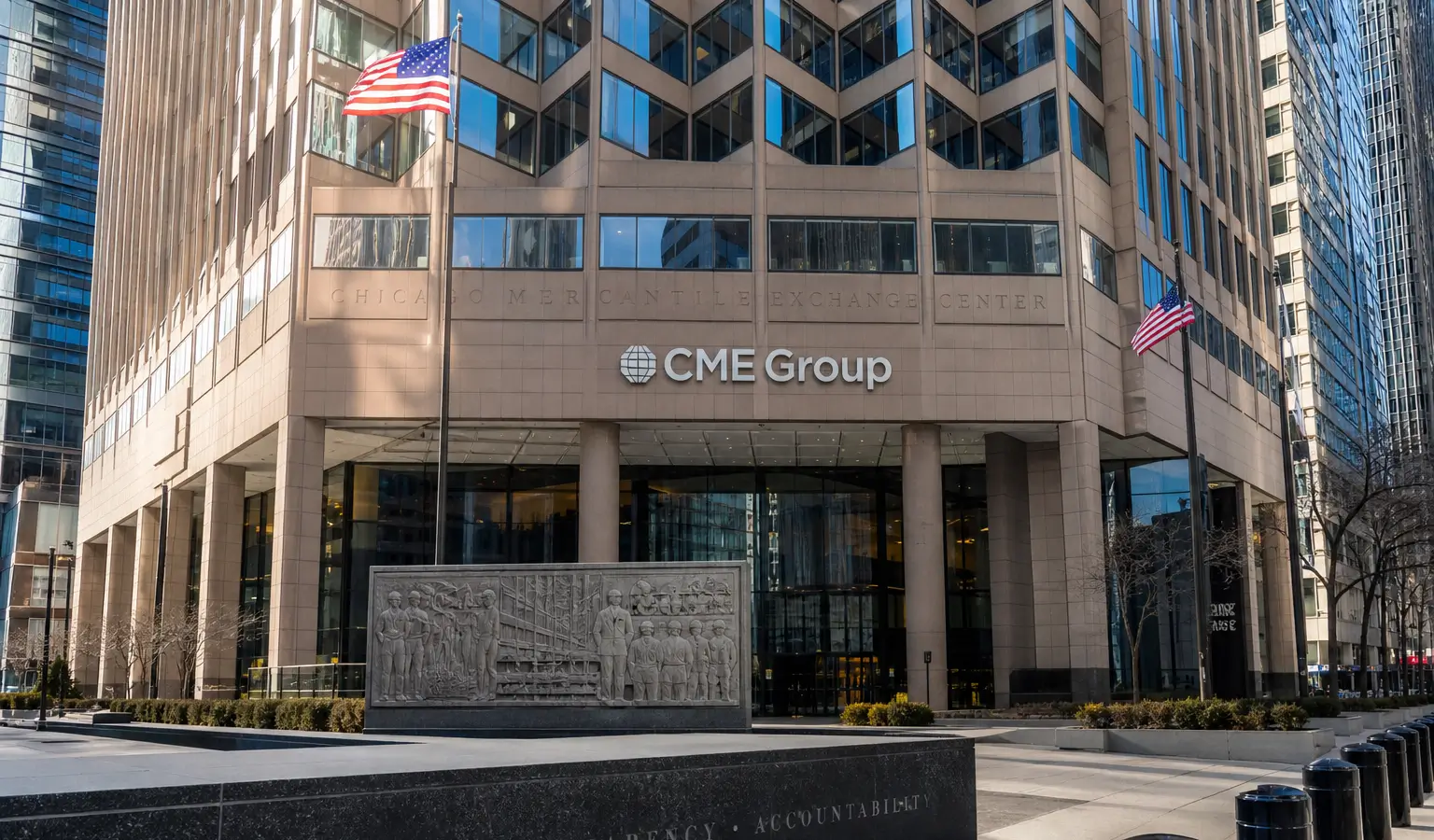
CME Group CEO Terry Duffy said perpetual futures in the U.S. could end up carrying an unexpected tax burden if courts or regulators decide they are swaps rather than futures. He argued that this is a major blind spot for U.S. traders, especially as the crypto derivatives market keeps expanding and the legal status of perps remains unresolved.
Classification Lawsuit
At the center of the dispute is a basic question: do perpetual futures legally count as futures or swaps? CME is challenging the Commodity Futures Trading Commission’s approval of these products and is now waiting, along with the regulator, for a federal ruling. The outcome could shape both how the products are regulated in the U.S. and how the Internal Revenue Service handles them for tax purposes.
Duffy said perps resemble swaps more than standard futures because of the funding payments that move between traders. Unlike traditional futures, perpetual contracts never expire, and long and short positions stay in balance through those payments. In his view, that structure lines up more closely with the legal definition of a swap.
Tax Treatment Still Unclear
For traders, the tax question is where the real risk sits. If the contracts are treated as futures, many institutional players could benefit from the blended treatment under Section 1256 of the U.S. tax code, where gains and losses are generally split 60% long-term and 40% short-term. If they are classified as swaps, ordinary taxation would apply instead. So far, the IRS has not issued specific guidance on perpetual futures.
Duffy also pointed out the risk for firms that are reporting these products as futures today. If a court later decides otherwise, those companies could still face problems down the line. He said he would be interested to see what the IRS would tell market participants who filed taxes based on the current classification.
Why This Also Matters Outside the U.S.
The case is relevant for European crypto readers too, because the U.S. decision could influence how new derivatives are folded into existing rules. The CFTC approved perpetual futures in May 2026 for platforms like Kalshi and Coinbase, which has already stepped up competition with established names like CME. If the judge takes a different view of the legal foundation for those products, it could reshape the broader market structure for crypto derivatives in the U.S.
Lawyers quoted by CoinDesk said the issue is more nuanced than a simple futures-versus-swaps choice. They noted that the law is broad and that the judge may first focus on whether the CFTC adequately supported its decision. Since the Loper Bright ruling from the U.S. Supreme Court in 2024, judges also have more room to interpret the law themselves instead of leaning mainly on a regulator’s reading.
The dispute is part of a wider fight over how perps should be treated in the U.S. In another case, CME is already challenging the regulator over approval of onchain perpetual futures, while other market participants are pushing for a clearer futures framework.