Coinbase and Circle Extend USDC Deal, Fed on the Radar
The extension of the revenue-sharing setup around USDC keeps Coinbase and Circle in focus, while the market is also watching FOMC minutes and inflation for clues on Fed policy.
Key Takeaways
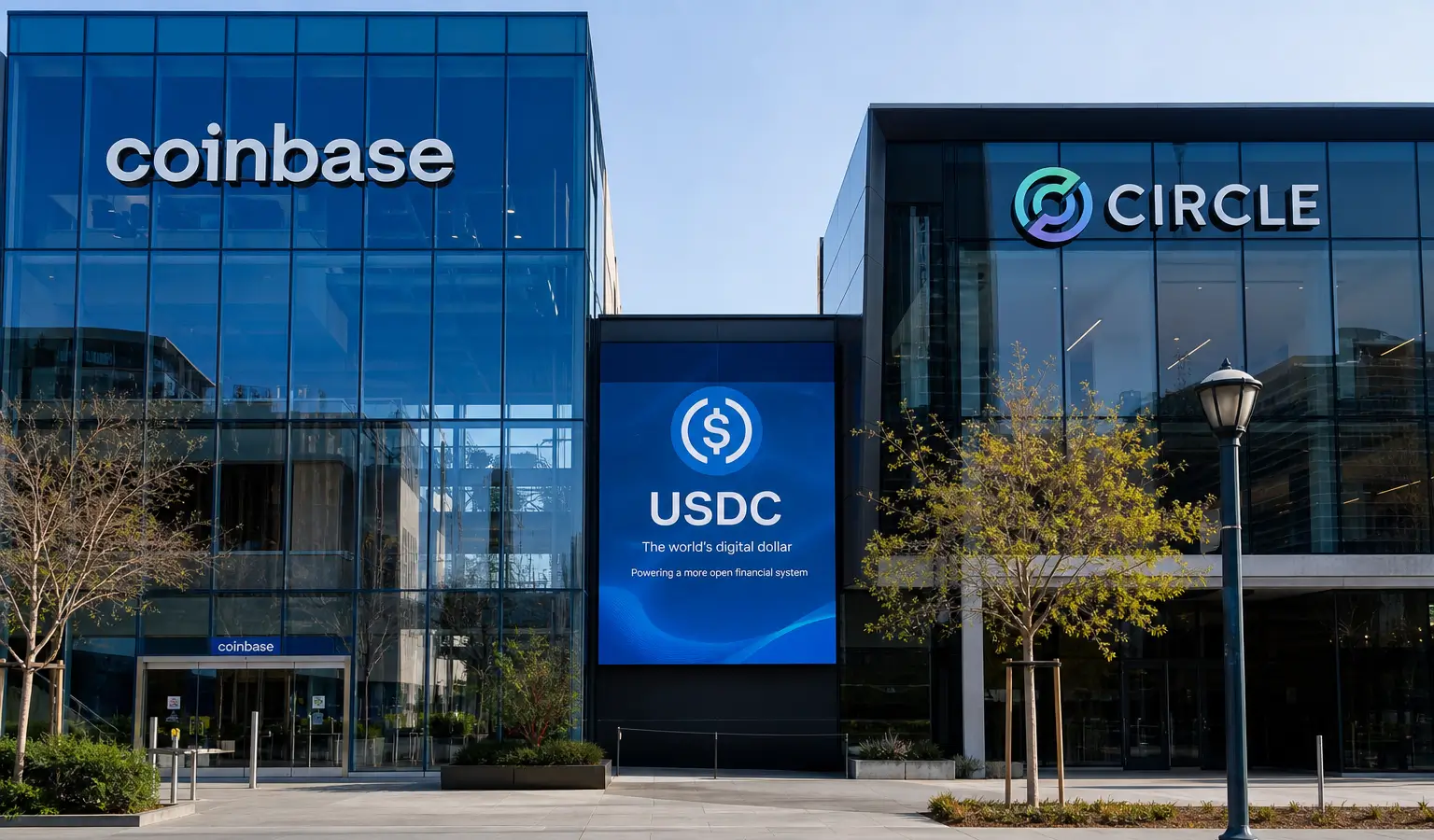
- Coinbase and Circle will extend their USDC revenue-sharing agreement by three years on August 18.
- The FOMC minutes and new inflation data could offer clarity on possible additional rate hikes by the Federal Reserve.
- On August 23, a ban on transactions with 14 named crypto-asset service platforms takes effect in the EU.
Coinbase and Circle are entering a new three-year extension phase this week for their USDC partnership, while the crypto market is also looking ahead to the FOMC minutes and new inflation data. So for investors, it is not just about stablecoin revenue and platform agreements, but also about whether the Federal Reserve still sees room for additional rate hikes.
USDC Deal Gets a New Term
On August 18, the revenue-sharing agreement between Coinbase and Circle enters a new three-year extension. That deal sets how income from USDC reserves is split and has long been an important part of the economic relationship between the two companies.
The setup has been adjusted over the years. Coinbase initially received all interest income from USDC held on its own platform, while Circle kept the same income for USDC on its own platform. The remaining reserve income was then split 50/50. According to the background of that structure, Coinbase was supposed to be encouraged to distribute USDC more broadly so the stablecoin could grow in adoption.
In August 2023, Circle also dissolved the Centre Consortium together with Coinbase, the joint governance structure around USDC. Circle then took full responsibility for issuing and governing the stablecoin, while Coinbase received a minority stake in Circle.
Fed and Inflation Drive Sentiment
This week’s macro calendar is at least as important. On Wednesday, the FOMC minutes will be released, which could give more clarity on the discussion inside the Fed around possible additional rate hikes. Adam Posen of the Peterson Institute for International Economics estimates the chance of a rate hike in September at 25 percent and expects the first move only in December.
Inflation and labor market data are also on the radar, including figures from Canada, the UK, the eurozone, and the US. Higher rates make risky investments like crypto less attractive, which means any hint about the rate path can quickly feed into market sentiment.
Geopolitical developments remain relevant too, partly because they can affect volatility expectations and the oil price. For the crypto market, that matters especially because broader risk appetite often shifts quickly when energy prices or rate expectations move.
EU Deadline for Platforms
At the end of the week, there is another clear regulatory milestone: on August 23, the ban on transactions with 14 named crypto-asset service platforms takes effect in the EU. For European firms, that means their processes need to have been adjusted in time, which once again shows how quickly compliance in crypto becomes an operational issue.
For European crypto readers, the main takeaway is that several layers are coming together at once this week: stablecoin structures, monetary policy, and European enforcement. That makes the period interesting for anyone following the market not just for price, but also for infrastructure and regulation.