Crypto Pullback Accelerates After Years of Expensive Funding
More than 100 projects have already shut down or gone bankrupt this year, while venture capital is shifting toward stablecoins and infrastructure. The pullback exposes the weak funding from the boom years.

Key Takeaways
- More than 100 crypto projects have already shut down, gone bankrupt, or disappeared in 2026 because of weak treasuries, falling altcoins, and less venture capital.
- According to Ryan Kirkley, many projects in 2020 and 2021 were already vulnerable because of inflated valuations and rounds that were not always fully paid.
- Venture capital is shifting toward smaller deals and established names, while Bitcoin traded around $64,100 and $61,200 is seen as a crucial support zone.
The wave of crypto shutdowns in 2026 is no coincidence, according to Global Settlement Network CEO Ryan Kirkley, but the delayed result of how many projects financed themselves during the boom years. More than 100 projects have already shut down, gone bankrupt, or effectively disappeared this year, while weak token treasuries, falling altcoins, and less venture capital are exposing companies without a sustainable business model.
Overpriced Rounds Are Catching Up
Kirkley says many projects were already doomed during the 2020 and 2021 funding boom. In his view, raising money at inflated valuations created a situation where teams could only survive if they grew into billion-dollar companies, while revenue often came nowhere close.
That dynamic was, according to him, reinforced by the crypto market itself. A big funding round could not only boost a project’s image, but also push up the token price and retail attention. That created an incentive to present rounds as favorably as possible, even if the actual cash coming in was less certain than the announcement suggested.
Kirkley also said Global Settlement Network itself saw that investors did not always end up paying on earlier signed commitments. In his view, that highlights how big the gap can be between an announced round and the money that actually lands in the account.
Capital Is Moving to Winners
The broader funding data fit that picture. Galaxy Research reported that venture investors put about $4 billion (€3.5 billion) into 355 crypto and blockchain deals in the first quarter of 2026, roughly half the amount from the fourth quarter of 2025. The number of deals fell much less sharply, which suggests that mainly the mega-deals disappeared.
The makeup of the market is changing too. In the first months of 2026, the average deal size in primary crypto investments dropped by more than 40 percent compared with the second half of 2025. That means many projects that raised money in 2023 and 2024 are now seeing their reserves shrink without a self-sustaining revenue stream to match.
The pullback is especially sharp in gaming. The number of funding rounds in that sector plunged in the first quarter of 2026 from 141 in 2024 to just 5, a sign that investors are becoming more selective and that capital is more often moving toward established names or acquisitions.
What This Says About Bitcoin
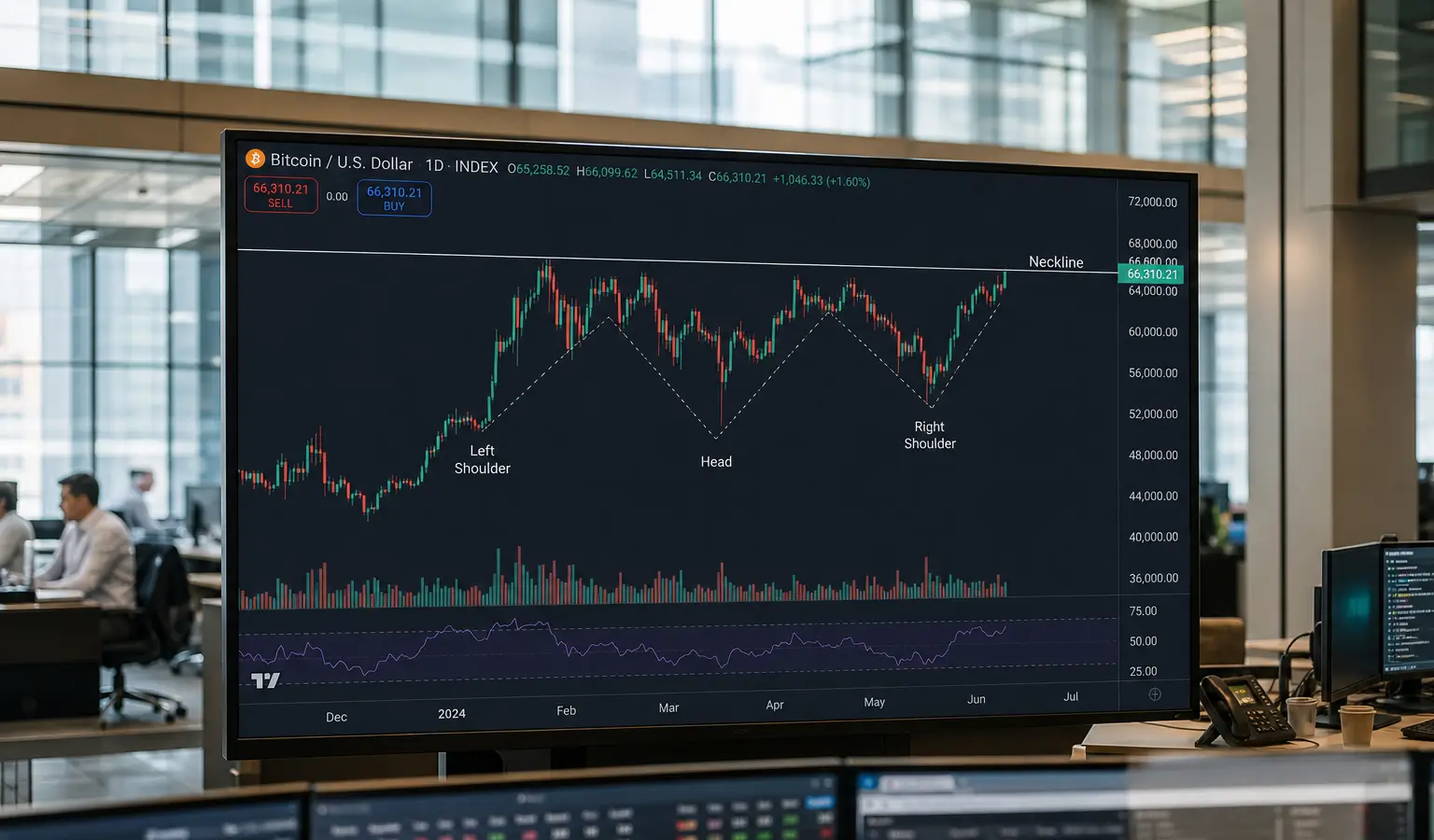
Kirkley sees the market as being in a soft bear market, with Bitcoin around an important support zone. He called $61,200 (€52,800) crucial; if that level breaks, he says forced selling by leveraged players could follow and may open the door toward $41,000 (€35,400). Bitcoin was trading around $64,100 (€55,300) at the time of publication.
For European crypto followers, the main takeaway is that the sector is not just shrinking, but also shifting. Kirkley points to stablecoins, neobanks, and institutional wallet and settlement infrastructure as the parts of the market that seem to line up best with real demand. At the same time, the current pullback shows that not every crypto idea automatically survives once the market matures.