CZ Proposes Freezing Satoshi's Bitcoin Over Quantum Risk
CZ puts a controversial idea on the table: freezing inactive, quantum-vulnerable Bitcoin after a network upgrade. The debate goes straight to both security and Bitcoin's ownership principle.

Key Takeaways
- Binance founder CZ suggested freezing Satoshi Nakamoto's Bitcoin and other long-inactive, quantum-vulnerable coins after a network upgrade.
- The debate follows research suggesting quantum computers could crack digital signatures in minutes and potentially threaten Bitcoin wallets.
- CZ sees this as a decision for the Bitcoin community; the proposal touches on the rule that nobody should seize someone else's coins.
Binance founder Changpeng Zhao, known as CZ, has floated the idea of freezing Satoshi Nakamoto's Bitcoin and other quantum-vulnerable, long-inactive coins if they are not moved after a future network upgrade. He did not present this as a personal plan, but as an issue for the Bitcoin community to discuss.
Quantum Risk and Vulnerable Bitcoin Addresses
The debate over quantum computers and their impact on Bitcoin recently got more attention after Google Quantum AI published research suggesting that the cryptography behind digital signatures could potentially be cracked in minutes with fewer than 500,000 qubits. That means quantum computers could derive private keys from public keys, leaving wallets exposed to theft.
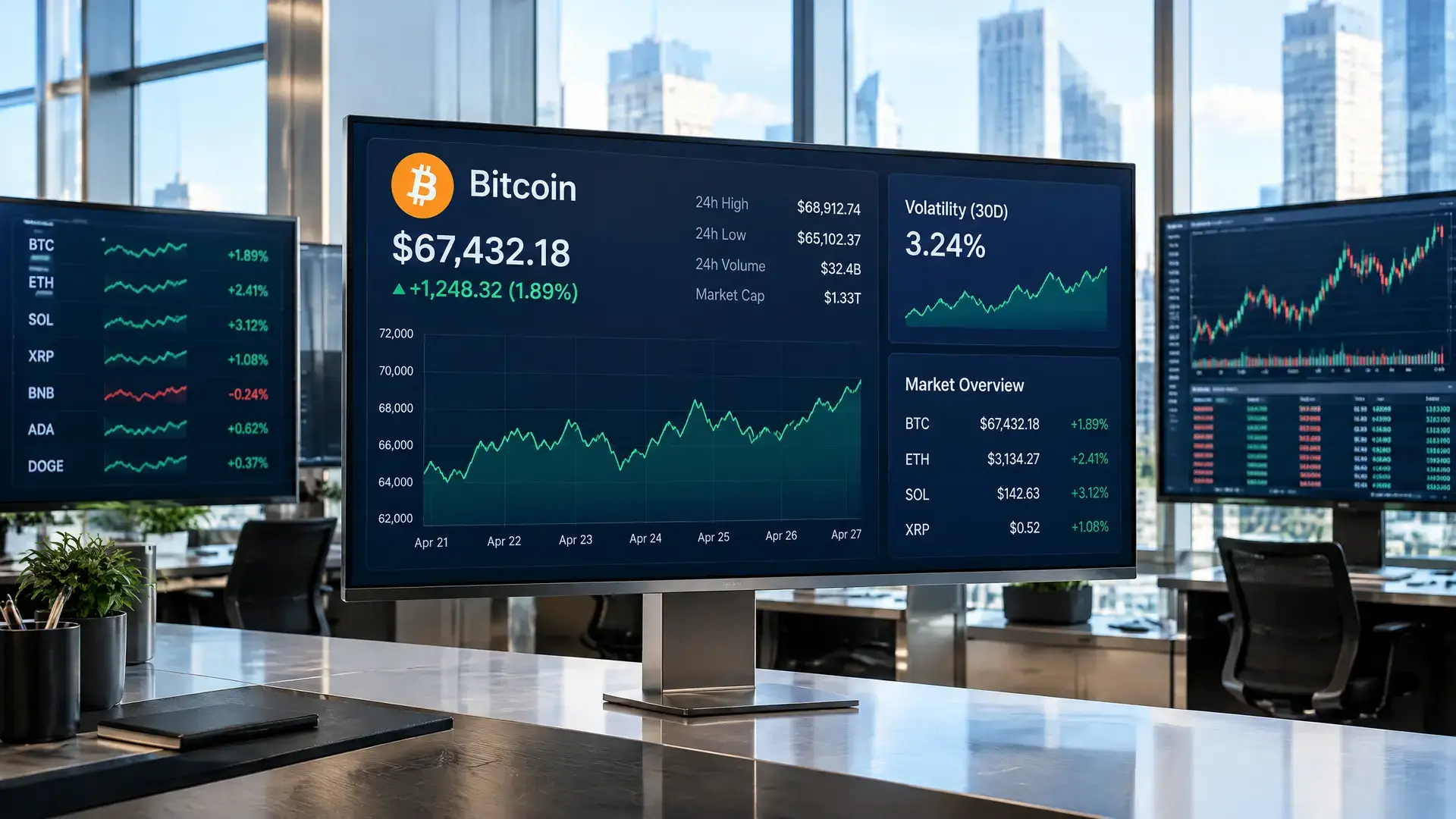
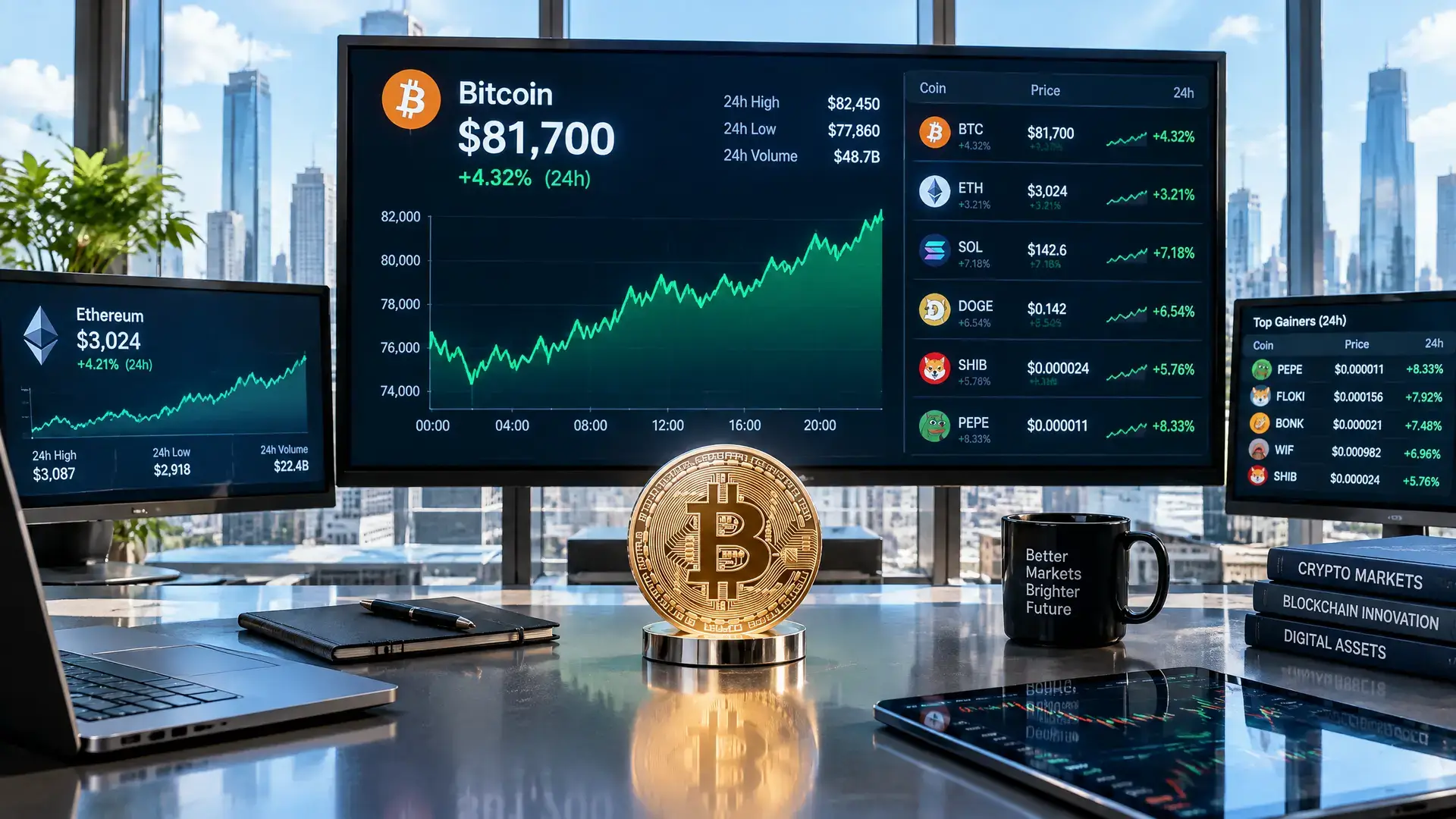
More than a third of all Bitcoin addresses have now revealed a public key on-chain, which means they could potentially be exposed to quantum attacks. Satoshi Nakamoto is estimated to have mined about 1.1 million BTC in 2009 and 2010, which at the current price of around $63,000 (€54,900) works out to a value of about $70 billion (€61 billion).
Freeze Proposal and Community Decision
CZ emphasized that he is not personally proposing to freeze Satoshi's address, but that it is a decision the community needs to make. He suggested a timeline of about a year, after which coins that remain in vulnerable addresses would be blocked through a network fork. This idea lines up with BIP-361, a proposal from Jameson Lopp and others that calls for a phased move to quantum-safe cryptography. The plan includes blocking transactions to vulnerable addresses a few years after activation and invalidating legacy signatures.
Coinbase recently also warned that Bitcoin needs to start a post-quantum migration plan now, because some coins could remain vulnerable if addresses are never moved. That debate also raises the question of what should happen to coins that do not switch to quantum-safe addresses in time.
While the proposal offers one way to stop quantum thieves, it also touches on a core Bitcoin rule: nobody can seize someone else's coins. Freezing coins could be seen by many as confiscation, which makes the debate more complicated.
Why This Matters for European Crypto Users
For European crypto investors and users, this debate matters because it shows how the crypto market is preparing for technological risks that could threaten the security of large amounts of Bitcoin. The outcome of these community decisions could affect Bitcoin's value and trust as a long-term store of value. It also highlights the importance of following developments in quantum-safe cryptography across the blockchain sector.