Democrats Block Crypto Clarity Act Over Ethics Clause
The fight centers on whether state attorneys general or the U.S. attorney general should enforce the ethics rules, a dispute that could shape the market structure bill and the regulators behind it.
Key Takeaways
- The U.S. Crypto Clarity Act is stuck because lawmakers cannot agree on who should enforce the ethics clause.
- Democrats want state attorneys general to handle enforcement, while the White House and Republicans favor the U.S. attorney general.
- August 7 is the Senate’s main deadline, but the bill would still need to pass the House after that.
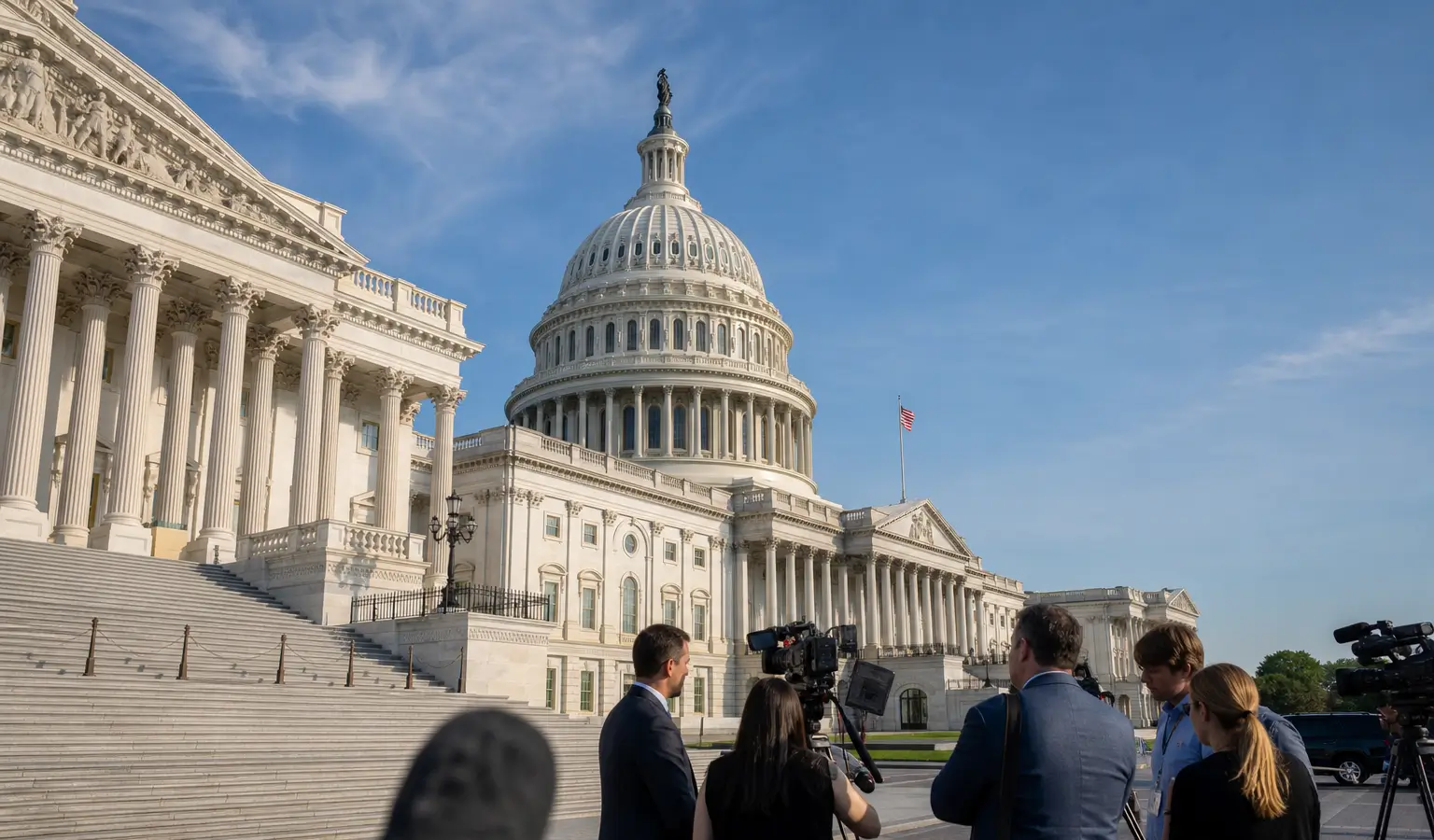
The U.S. Crypto Clarity Act is hitting a wall over an ethics clause designed to keep government officials from holding large crypto interests. Democrats and Republicans are still split on who should enforce those rules, and that dispute is now slowing down the wider market structure bill.
Enforcement Remains the Sticking Point
After a Tuesday briefing with a White House official, people familiar with the discussion said Democrats want state attorneys general to keep enforcement authority over the ethics rules. The White House and Republican negotiators, meanwhile, are backing the U.S. attorney general as the main enforcer.
The bill carries a lot of weight because the Digital Asset Market Clarity Act is meant to do more than regulate exchanges, brokers, and token issuers. It is also supposed to define where one regulator’s authority ends and another’s begins. In the broader debate, some critics say the anti-money-laundering rules are too weak, while the Department of Justice has pushed back on that argument. Another issue that keeps coming up is how broad the protections for developers should be.
Trump and Conflict of Interest
The ethics language would apply directly to President Trump, vice presidents, and members of Congress. Reports say Trump agreed to a broad limit on his business crypto ties, but Democrats had not seen the exact wording by the time of publication.
That makes the issue politically sensitive. The Trump family, through entities including World Liberty Financial, has deep ties to crypto projects. Democratic lawmakers have long said the president faces a conflict of interest, while the White House says it has already gone a long way toward meeting their demands. Those concerns have been part of the negotiations around the bill for some time.
Time Is Running Out for the Senate
The calendar is making the fight even harder. August 7, the final day before the Senate’s summer recess, is viewed as the key cutoff if the Clarity Act is going to move forward this year. Market sources say the bill could reach the floor as soon as next week, although a final vote could still take several days.
Even if the Senate passes it, the process would not be finished. The bill would still have to clear the House of Representatives, where the Republican majority has been more divided lately. Some Democrats are also considering adding prediction market policy to the legislation, which could create another delay.
Why This Matters for Europe
For European crypto watchers, the main question is how much influence the U.S. will end up having over global crypto market structure. If the bill eventually brings more clarity around oversight, enforcement, and the role of regulators, it could also shape how international firms set up their U.S. operations. For companies already working under MiCA, the debate is another reminder of how differently the U.S. and Europe are still approaching crypto rules.