Deribit Sees $2.5 Billion in Bitcoin Call Spreads
The bull call spread on Deribit points to institutional positioning, with expiration around the Fed's July 29 decision. Traders are betting on a BTC rebound to $72,000.
Key Takeaways
- Bitcoin traders bought $2.5 billion in notional call spreads on Deribit this week.
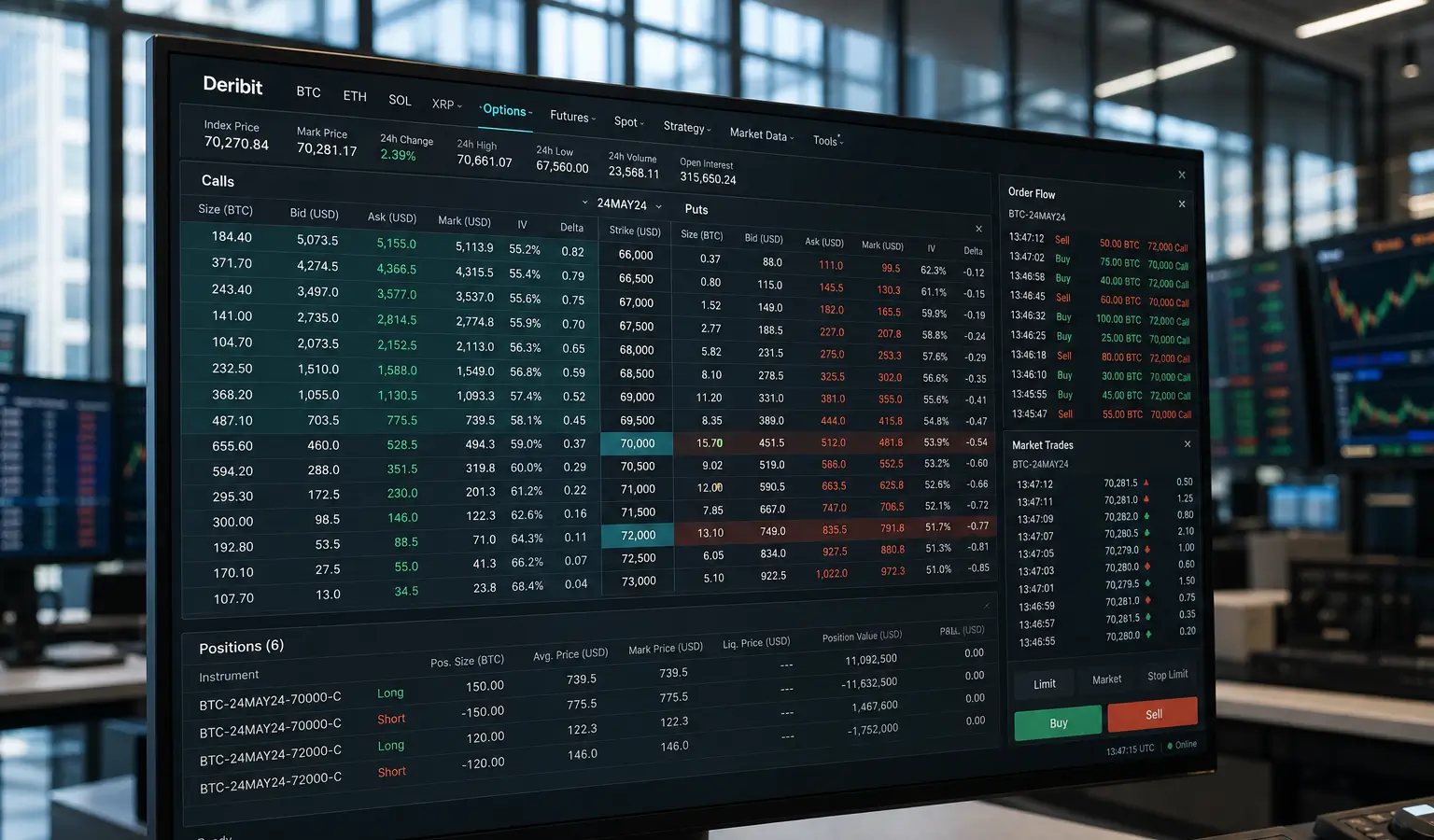
- The strategy targets a Bitcoin move to $72,000 by July 31, with $70,000 calls bought and $72,000 calls sold.
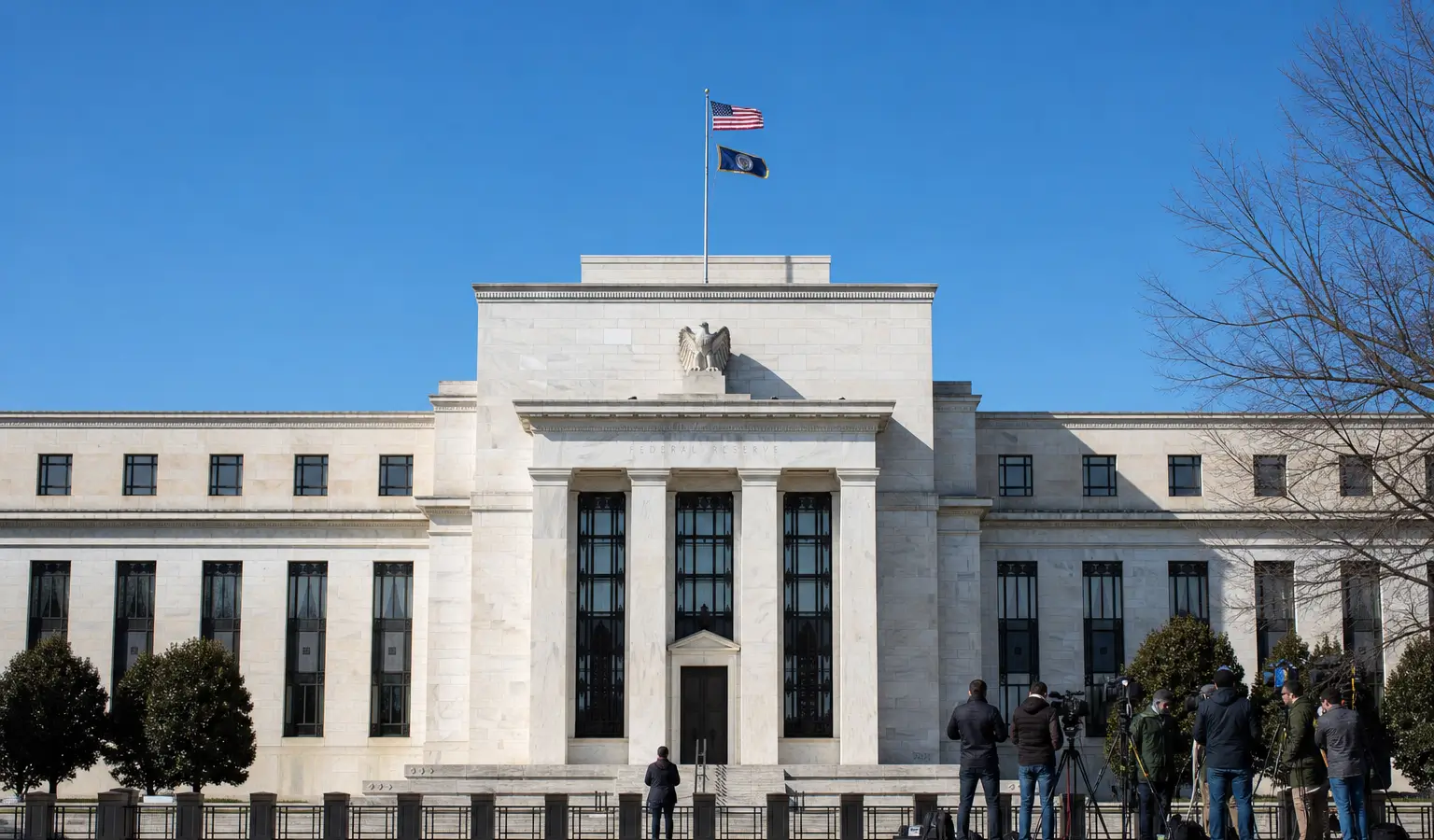
- The trade lines up with the Fed's July 29 rate decision, while the market is mostly expecting a pause.
Bitcoin traders placed $2.5 billion (€2.2 billion) in notional call spreads on Deribit this week, positioning for a move to $72,000 (€63,000) by July 31. The trade also lines up with the Federal Reserve's July 29 rate decision, with markets now mostly pricing in a pause.
Large Positions on Deribit
On Deribit, traders bought 20,000 contracts of the $70,000 (€61,200) call and sold 20,000 contracts of the $72,000 (€63,000) call with the same expiration. Combined, the position represents $2.5 billion (€2.2 billion) in notional value, based on 40,000 contracts that each cover 1 bitcoin.
This structure is called a bull call spread. It is typically used when traders expect prices to rise, but only by a limited amount. The trade lowers the upfront cost, while capping gains above the higher strike. Jean-David Péquignot, chief commercial officer at Deribit, said this week has mostly been dominated by large BTC topside call spread blocks.
What This Says About the Market
Moves like this usually suggest institutional positioning more than retail speculation, largely because of the size and the precision of the strikes. The focus on $72,000 (€63,000) suggests some large traders are not just looking for upside, but for a very specific level where the trade starts to work.
The activity follows Bitcoin's rebound to $64,000 (€56,000) earlier this month after falling below $58,000 (€50,700). Macro conditions still matter here, too: higher rates tend to weigh on risk assets like crypto, while a more dovish path could help support fresh demand for Bitcoin. That makes the Fed's decision a key short-term catalyst.
Fed and Geopolitics
Fed funds futures are currently pricing in no change to rates, keeping the central bank in the 3.5% to 3.75% range. Most trackers put the odds of that outcome at 75% to 80%, while the rest of the market is split between a hike and, to a lesser extent, a cut.
Those expectations have shifted in recent weeks after June inflation data showed a clear slowdown in both consumer and producer prices. But the latest escalation between the U.S. and Iran is adding another layer of uncertainty, especially with oil flows through the Strait of Hormuz at risk. For Bitcoin traders, that means volatility could stay elevated heading into the Fed decision.