

DOJ Seeks to Recover $1.1 Billion in USDC From Binance Hack
The claim targets USDC from Circle that is already blocked; according to Elliptic, most of the loot remains out of reach, possibly through North Korean wallets and mixers.
Key Takeaways
- U.S. authorities want to take control of more than $1.1 billion (€1 billion) in frozen USDC from the Binance hack through forfeiture.
- According to the DOJ, more than $2.9 billion of the roughly $6.3 billion in stolen crypto has now been frozen, seized, or returned.
- Elliptic estimates that about $2.35 billion is still missing and may largely be controlled by North Korean hackers.
U.S. authorities are taking a new step to recover more than $1.1 billion (€1 billion) in USDC stolen in the October Binance hack. This is not newly frozen money, but stablecoins that are already under a court order from Circle and now must be legally transferred to the government through forfeiture for victims.
What the DOJ Is Doing Now
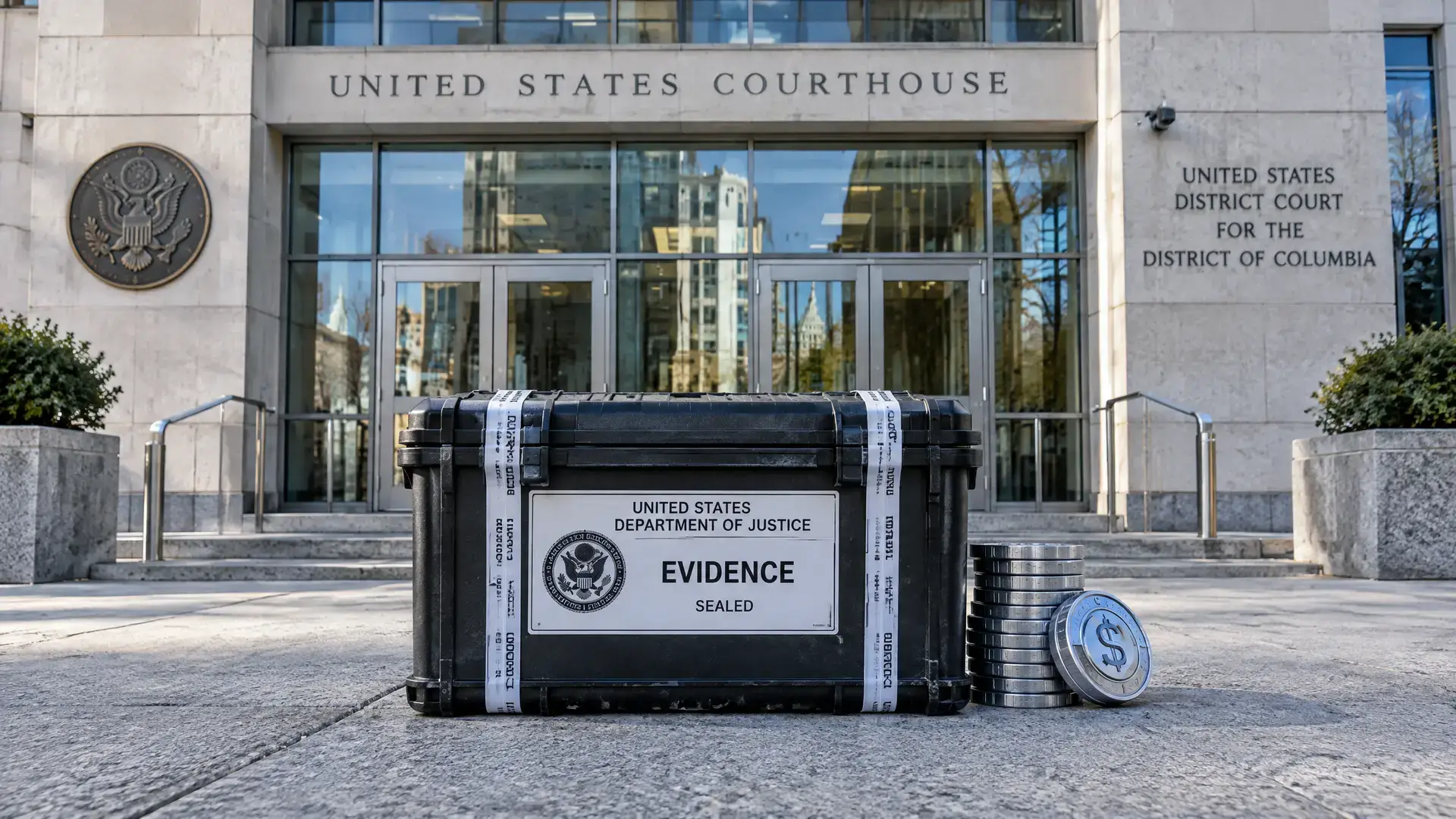
The U.S. Department of Justice filed a civil complaint on Monday in federal court in Washington. With that move, the government wants to take legal ownership of the frozen USDC so the funds can be returned to affected users. According to the DOJ, U.S. authorities have now helped freeze, seize, or return more than $2.9 billion (€2.7 billion) of the roughly $6.3 billion (€5.8 billion) stolen on October 29.
The distinction matters. The claim only covers USDC that Circle can already block. If those restrictions were lifted, prosecutors warned in the filing, control of those funds could end up back with the suspected hackers.
A Large Chunk Is Still Missing
Despite the new move, most of the stolen crypto is still out of reach. Blockchain analytics firm Elliptic estimates that about $2.35 billion (€2.1 billion) is still sitting in wallets linked to the theft. The company says it is likely that a large share of that is still controlled by North Korean hackers, whom the FBI has identified as the TraderTraitor group.
Elliptic also said that at least $247 million (€226 million) has gone through coinjoins or mixers. These services bundle transactions from multiple users, making money flows harder to track. The company also said part of the laundering route may have run through Chinese networks, although it could not determine exactly who controlled those funds.
Why This Matters in Europe Too
The case shows how quickly major crypto thefts get spread across multiple countries, both legally and technically. For European readers, the key point is that frozen stablecoins, international courts, and crypto exchanges are all playing a role in trying to recover the funds. At the same time, the case highlights how hard it is to trace funds once they are moved through mixers, wallets, and multiple blockchains.
Binance previously said it covered customer losses with its own funds and insurance reserves. The crypto exchange is still trying to recover all of the stolen crypto, while U.S. and foreign authorities try to lock down the remaining assets. Earlier, the business tie between Binance and Circle also showed how closely the exchange and the USDC issuer are connected.