DRW Chief Says Regulators Should Rethink Perps
Wilson says perps are just futures without an expiration date and argues that features like high leverage and ADL come from exchange design choices. At the same time, the CFTC is taking an early step toward a more formal U.S. framework.

Key Takeaways
- DRW chief Don Wilson says perpetual futures are economically just futures and not necessarily an inherently risky crypto product.
- According to Wilson, high leverage, 24-hour trading, and automatic liquidations mostly come from choices made by crypto exchanges, not from the contract itself.
- The CFTC recently approved the first Bitcoin perpetual futures, while Wilson is urging regulators to focus on the economic substance.
DRW chief Don Wilson says regulators are looking at perpetual futures, or perps, the wrong way. In his view, they are not some uniquely risky crypto instrument, but simply futures contracts without an expiration date. He added that the reputation for extreme leverage and automatic liquidations mostly comes from the way crypto exchanges have chosen to structure them.
Wilson Sets the Record Straight on Perps
On X, Wilson argued that a lot of the criticism around perps has little to do with the contract itself. Features like ADL, nonstop trading, and very high leverage, he said, are not built-in requirements of perpetual futures. Instead, they reflect design decisions made by certain crypto exchanges.
He also said he is not a supporter of ADL, the system that automatically cuts winning positions when losing traders cannot make good on their losses. In his view, that mechanism is not something perps need in order to function.
The issue matters because perpetual futures have become one of the crypto market’s most important trading tools. Crypto markets have used them heavily since 2016, while traditional finance mostly treated the structure as a theoretical idea before that. Economist Robert Shiller first floated the concept in 1992 as a way to create derivatives for less liquid assets.
Regulation Is Moving Forward
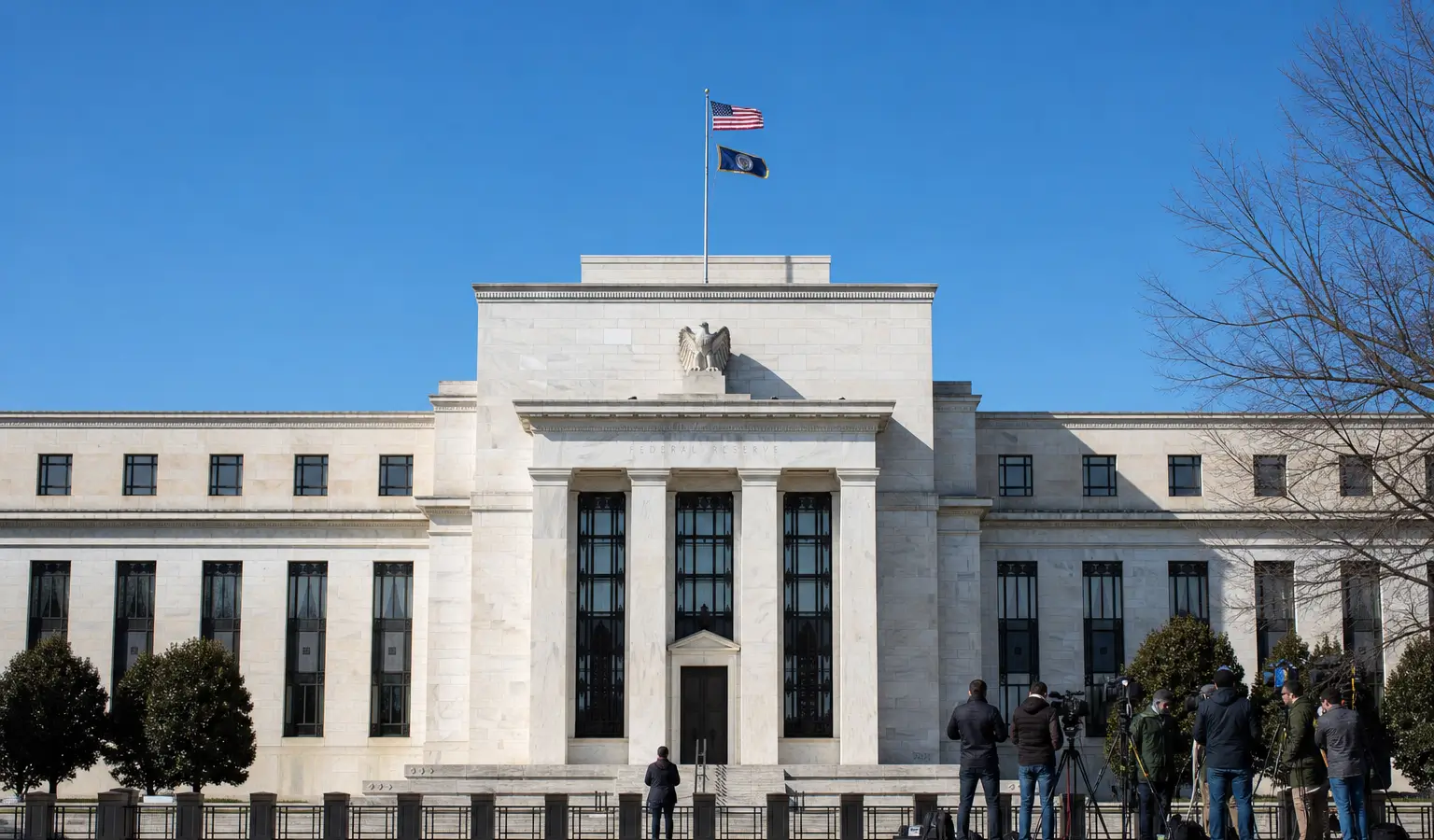
Wilson’s comments come as more firms try to move perps beyond crypto and into regulated U.S. markets. The CFTC recently approved the first Bitcoin perpetual futures for listing on a registered exchange, marking an early move toward a more formal U.S. framework. Kalshi also recently filed a proposal to expand into precious metals after perps quickly picked up traction there.
Wilson says regulators should look at what the product actually does, not just what it is called. In his view, perps are economically just futures, even if they do not expire and traders do not have to keep rolling positions forward.
Why This Matters for Europe
For European crypto readers, the debate is a reminder of how quickly crypto derivatives are being folded into the wider financial system. If U.S. regulators end up treating perps differently, that could shape how exchanges, clearing, and risk models are viewed in other markets too. For platforms and traders active around products like Hyperliquid, the bigger question is still how far regulation can keep pace with the technology.
The U.S. discussion over perps is part of a broader fight over how crypto derivatives should be defined under the law. In a separate case involving the CFTC and onchain perpetual futures, the central question is whether these contracts should be treated as swaps or futures.