Ethereum is ready for Proof of Stake
The latest major Ethereum testnet Görli has successfully switched to Proof of Stake.

The latest major Ethereum testnet "Görli" has successfully switched to Proof of Stake. The merge simulation went smoothly, and the path looks clear for the consensus change on the mainnet expected in mid-September. Ether's price today is up accordingly: about eleven percent, bringing ETH back close to 2,000.
Merge showdown for Ethereum
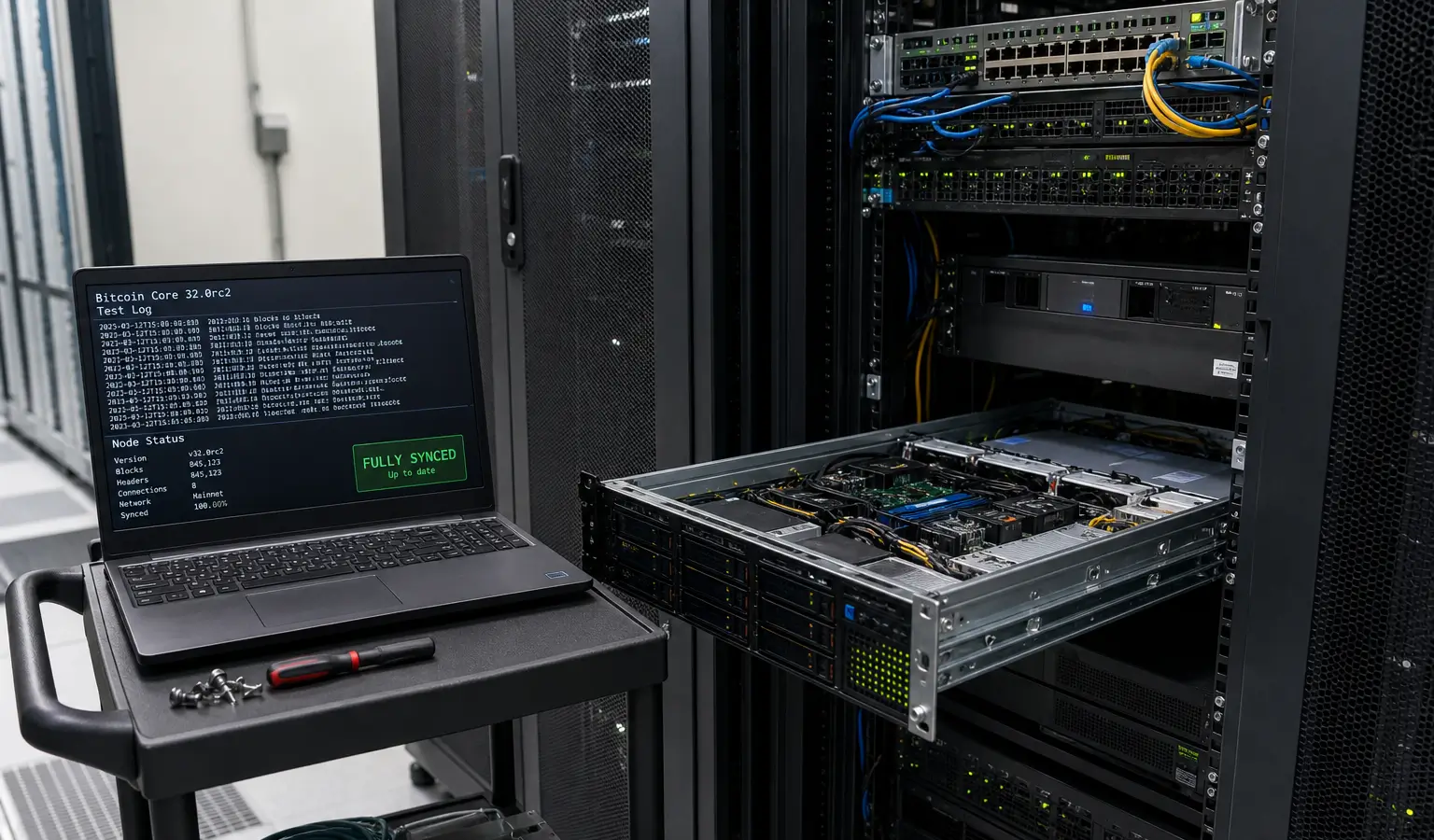
The long-awaited transition of Ethereum to Proof of Stake is entering a heated phase. After trying it a few times, the Merge (the joining of the Ethereum blockchain with the Proof-of-Stake-based Beacon Chain) passed the final fire test on Goerli. With little friction.
According to Ethereum developer Marius van der Wijden there was "a bit of confusion in the network" due to many "not-updated nodes." Aside from that, "it looks good so far." Developer "Superphiz" spoke of a "big milestone." Results are now being evaluated before the Ethereum mainnet takes its turn. An official date has not yet been announced by the Ethereum Foundation. According to "Superphiz", it could come down to September 19.
Proof of Stake ushers in a new chapter
The merger is the most significant network upgrade in Ethereum's history. Switching to Proof of Stake means a dramatically improved energy footprint for Ethereum. The blockchain saves about 99.98 percent of its previous energy needs thanks to the switch, as developer Ben Edgington told BTC-ECHO. As the largest hub for NFTs, DeFi, and smart contracts, Ethereum's usage impacts large parts of the crypto ecosystem.
After the merge, the next upgrades focus on boosting blockchain performance. Layer 2 solutions, which ease the mainchain by handling transactions off-chain, are aimed at addressing Ethereum's long-term scalability problem.
With current throughput of about 15 transactions per second, capacity hits the load limit. Result: high fees. By integrating scalable solutions, processing capacity will rise quickly in the future, individual transactions will become cheaper, and the network will be upgraded for the growing number of decentralized applications.