European market watchdog sees crypto as a threat
In a report, ESMA outlines the risks crypto assets pose to financial stability.

In a report, ESMA lays out the risks crypto assets pose to financial stability. The recommended method: collaborate with MiCA and other bodies handling regulation.
The European Securities and Markets Authority (ESMA) warns investors in a recent report "Crypto-Assets and their Risks to Financial Stability" about the potential dangers of a merger between crypto and traditional financial markets.
“Due to their volatile growth cycles and as long as there is no relevant regulation, crypto assets carry numerous risks that could become relevant to financial stability in the future”
ESMA
The growing overlap between the two markets calls for more monitoring and regulatory oversight, the Commission says. In addition to market volatility and the risk of leveraged positions, the report also recommends measures.
ESMA's critique
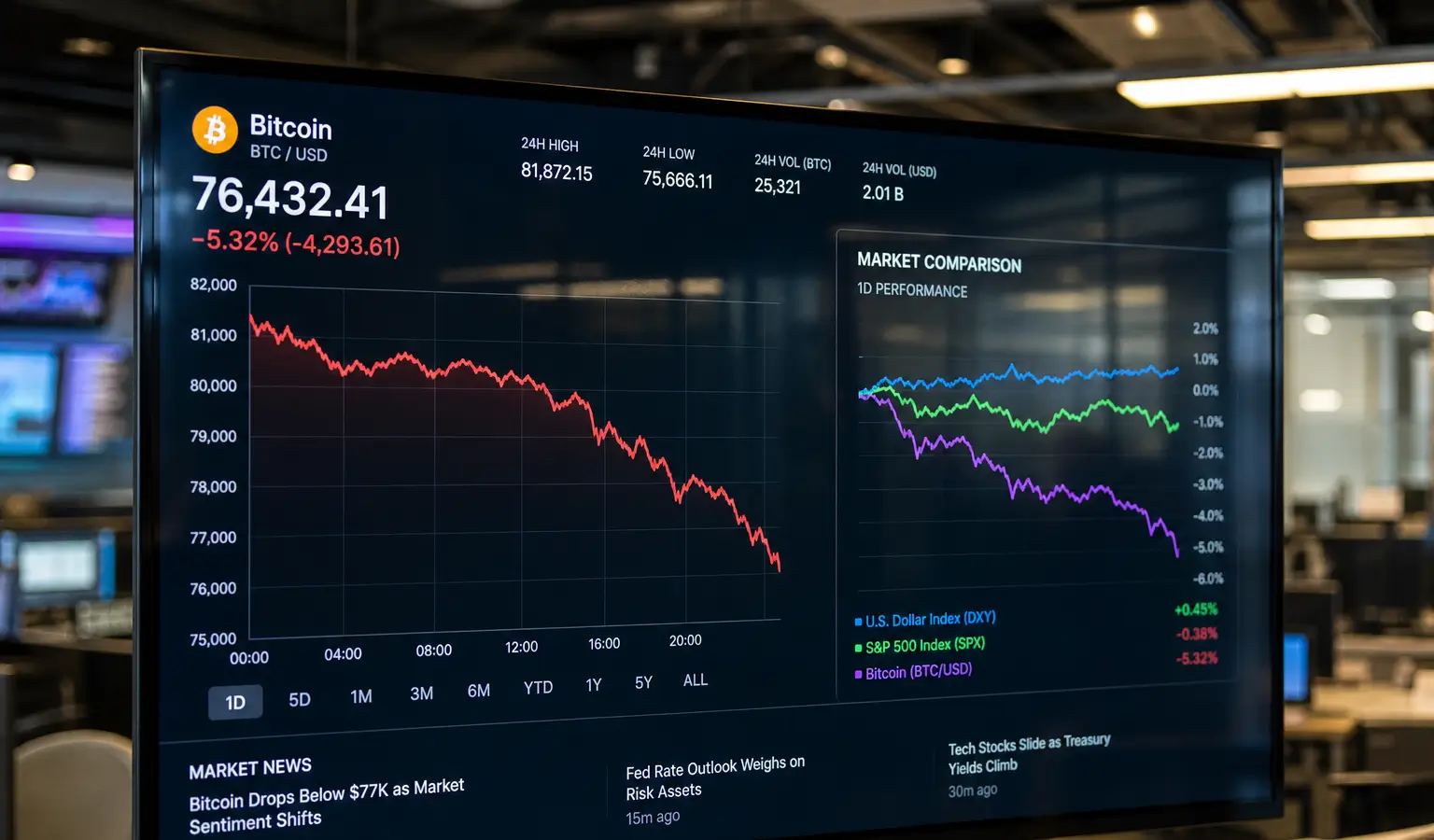
In the opening, the agency notes that the crypto market "would increasingly resemble traditional financial markets and infrastructures." Growing awareness among crypto investors has been clouded by deteriorating macroeconomic conditions. "Rising inflation and the end of a low-rate era have undermined previously optimistic investor sentiment and sparked a dramatic sell-off in the crypto assets market," the report says.
The report also references the 2021 hype phase that drew many investors into the market. It goes on to discuss current developments in the crypto market and addresses the Terra stablecoin collapse, which the market watchdog says was ultimately responsible for the crypto market crash.
Fear of takeovers and leveraged trading
"There are multiple transmission channels between the crypto market and the traditional financial system," it continues. The regulator cites a April study. The result of that study: 90 European investment funds were involved in direct investments in the crypto sector. Twenty others aimed to profit indirectly through derivatives.
The increasing mixing of the traditional financial market with the crypto market appears to worry ESMA. The best example: Tesla. In 2021 it was said for the first time that you could buy the car from the California company using Bitcoin. The e-automaker then backed away from the decision. In both announcements Musk had a significant impact on the Bitcoin price.
Furthermore, ESMA officials are worried about "too risky investment options." Exchanges like Huobi or Bybit now allow their investors to trade cryptocurrencies with up to 125x leverage, which quickly leads to total loss.
ESMA sees regulatory action needed
With the MiCA regulation, the EU is the first major jurisdiction in the world to provide a comprehensive, specific regulatory framework for crypto assets. Under that, ESMA gains new powers to determine what exactly must be in the white papers of newly issued assets.
Outside Europe, attempts are being made to curb crypto-related financial market risks. The Howey test should be used in the U.S. to decide whether cryptocurrencies should be regulated as commodities or securities. There is heated debate over which jurisdiction cryptocurrencies fall under. Recently the SEC claimed that transactions on the Ethereum blockchain would fall entirely under U.S. jurisdiction.
ESMA plans to seek regulatory assistance from other authorities, such as the Financial Stability Board (FSB): "The cross-border nature of the crypto-asset market should not be underestimated."
Niche crypto market
According to the report, the crypto market, even at its peak, accounted for only about 1% of the combined market capitalization of equities and fixed income. This, it says, is an indicator of its limited relevance to financial stability. The turmoil in the crypto-asset market has not spilled over into traditional financial markets or the real economy.