

Former Robinhood Engineer Pleads Guilty to Insider Trading on Hyperliquid
The case involving Huaisong Xiang and Hyperliquid shows how insider trading is also being handled on decentralized exchanges and perpetual futures, with Robinhood and the CFTC in the picture.
Key Takeaways
- Former Robinhood engineer Huaisong Xiang pleaded guilty to wire fraud after using confidential listing information.
- He made more than $125,000 trading perpetual futures on Hyperliquid before at least 11 Robinhood announcements.
- Xiang must forfeit $125,523; the case increases attention on oversight of decentralized exchanges.
A former Robinhood software engineer has pleaded guilty to wire fraud after using confidential information about upcoming crypto listings to make more than $125,000 (€113,500) trading derivatives on Hyperliquid. Huaisong Xiang must forfeit $125,523 (€114,000) in profits. The case shows how quickly traditional insider trading rules are being applied in the crypto market too, especially when trading takes place on a decentralized exchange.
Confidential Listing Information
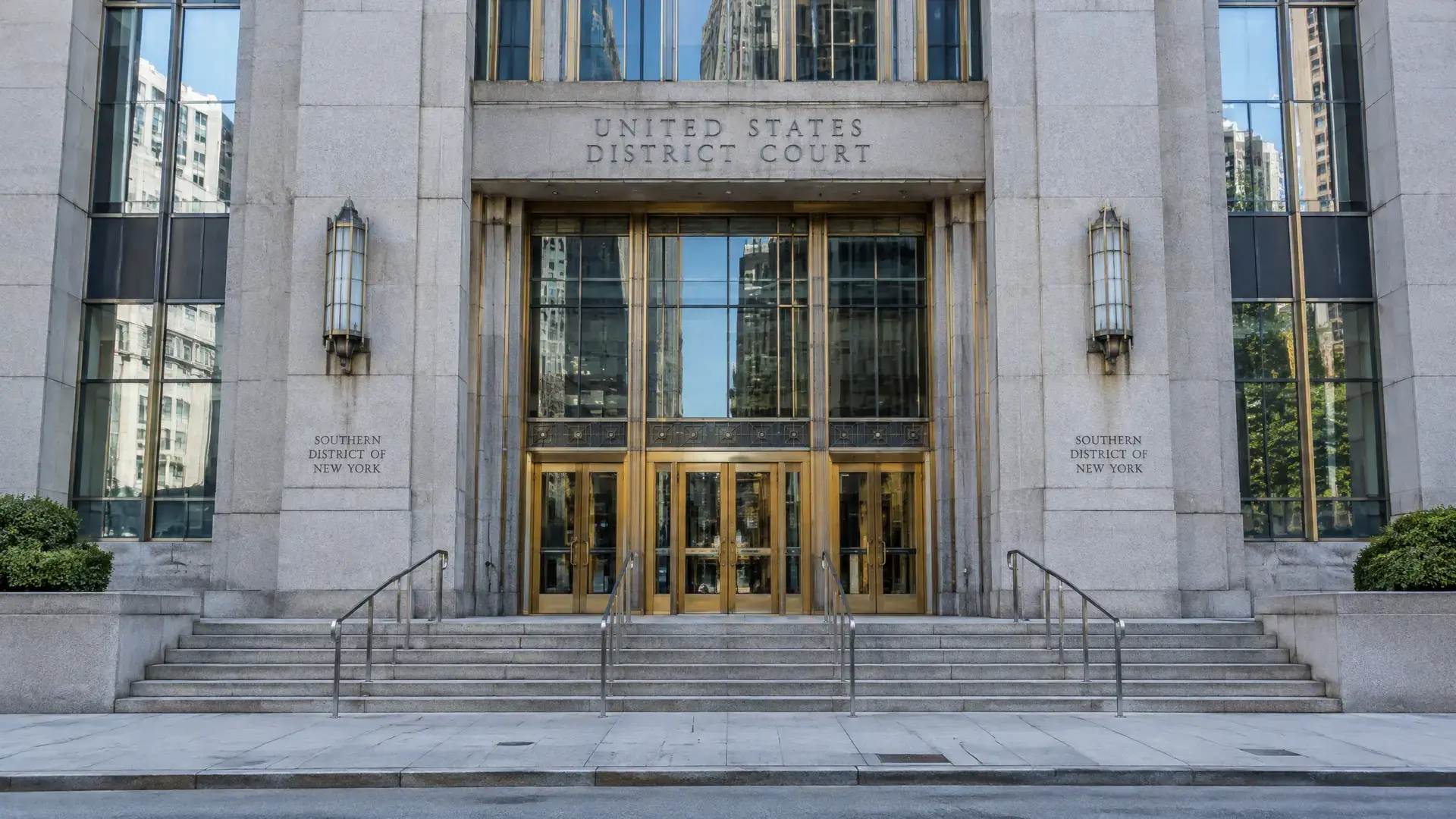
Xiang appeared Monday before Judge Colleen McMahon in Manhattan and pleaded guilty, the office of the U.S. Attorney for the Southern District of New York said. According to prosecutors, he had access to internal information about which cryptocurrencies Robinhood planned to add and when those plans would be made public.
Between 2025 and 2026, he allegedly used that information repeatedly to buy perpetual futures on tokens before Robinhood announced the listings. That allowed him to profit from price moves that other investors could not yet see coming. Prosecutors say he did this ahead of at least 11 listing announcements.
Hyperliquid as a Trading Venue
Xiang used Hyperliquid for this, a decentralized exchange where traders can speculate on crypto prices through perpetual futures without owning the underlying tokens. These contracts have no expiration date, which makes them different from regular futures.
The case fits into a broader debate about oversight of this kind of platform. Traditional exchanges like CME Group and Intercontinental Exchange have previously urged U.S. regulators to investigate Hyperliquid over possible risks tied to market manipulation and sanctions evasion. The CFTC is also looking at online prediction market platforms, including Hyperliquid, to assess whether protections against insider trading and the use of nonpublic information are sufficient.
What It Means for the Industry
For European crypto readers, this case matters because it shows that rules around market abuse do not disappear once trading moves to a decentralized exchange. The mix of internal company information, derivatives trading, and fast listing announcements can also raise questions outside the United States about oversight and compliance. Robinhood had already said it investigated the case and passed it on to law enforcement and regulators. In the same market, there is also the question of how Hyperliquid perps can be brought to U.S. customers in a regulated framework.