Fed Decision Puts More Pressure on Nasdaq Than Bitcoin
Analysts say Bitcoin is less sensitive to the Fed than Nasdaq and AI stocks. Markets are mostly pricing in a rate pause, even as uncertainty builds around Chair Kevin Warsh.
Key Takeaways
- Investors expect the Federal Reserve will probably keep rates unchanged on Wednesday, though a hike is still on the table.
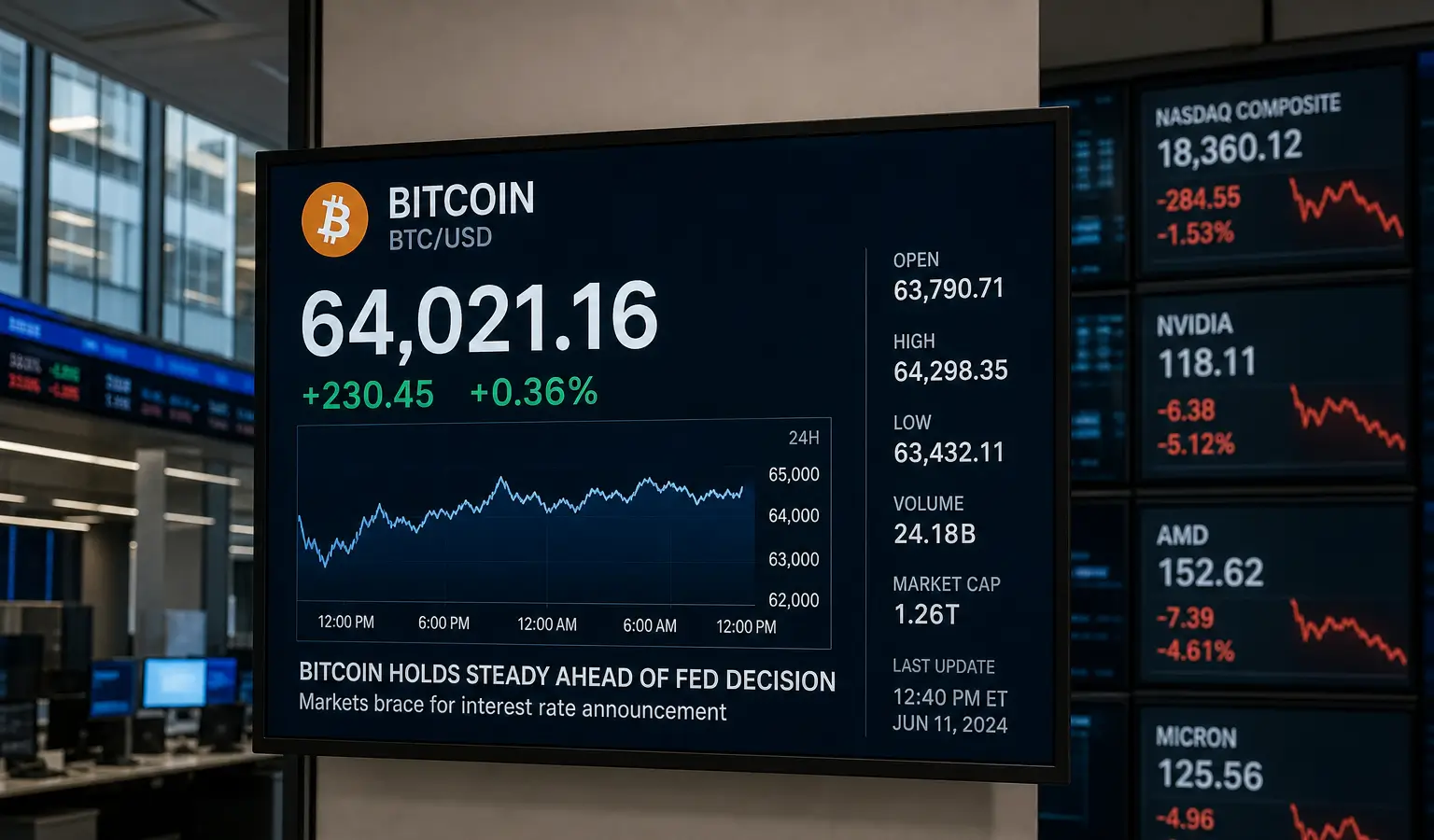
- Bitcoin held fairly steady around $64,000 in July, while AI and semiconductor stocks came under renewed pressure.
- Analysts say that suggests Bitcoin is less tied to traditional risk assets, which could make the Fed decision less important for BTC.
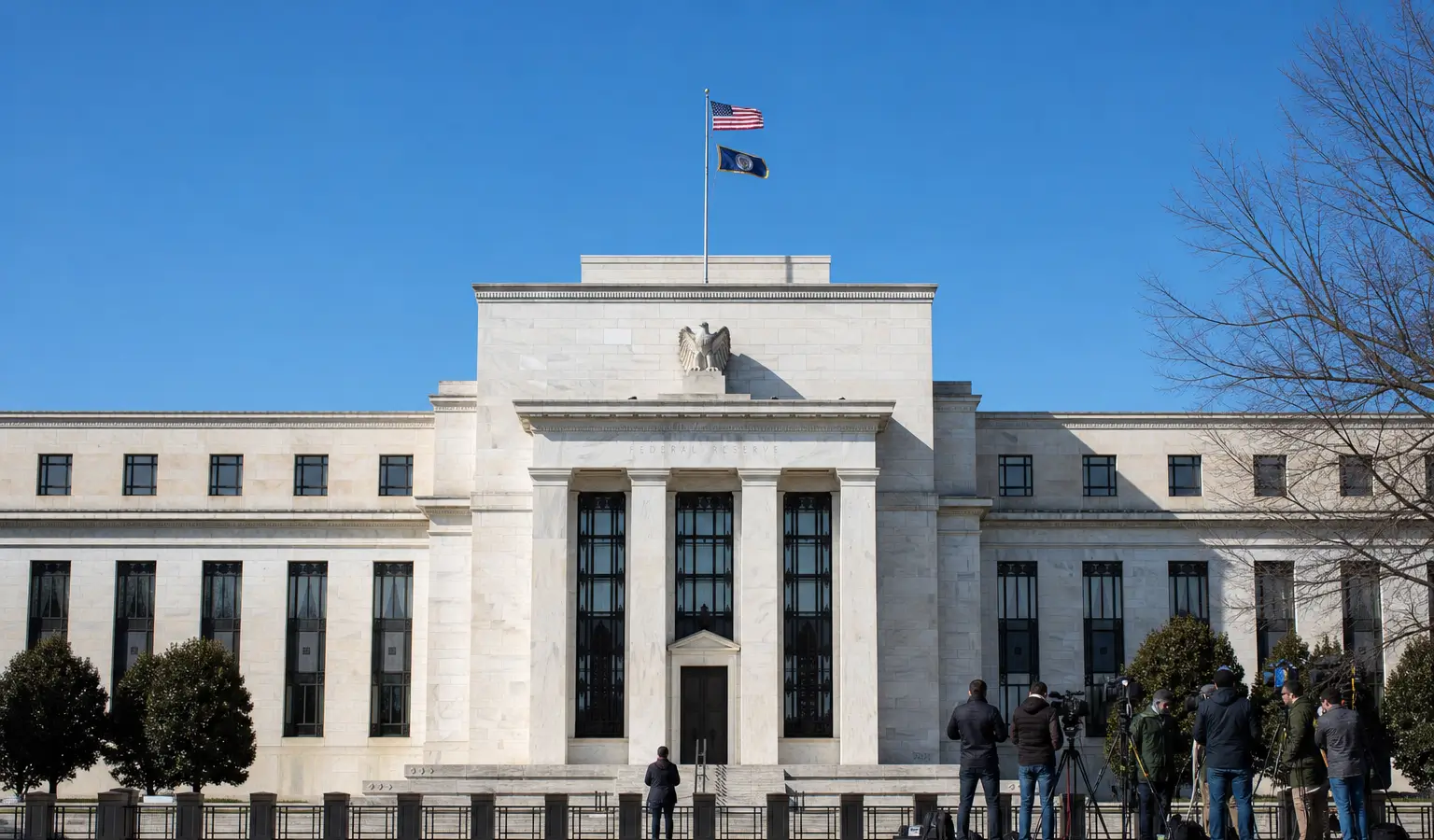
Investors are split on the Federal Reserve’s rate call on Wednesday, but analysts think Bitcoin is less exposed than AI stocks. The crypto asset was trading near $64,000 (€56,300) on Tuesday after briefly dipping intraday, while chipmakers and other AI names sold off again ahead of what is shaping up to be one of the Fed’s most uncertain meetings in years.
The Market Is Pricing In No Change
CME FedWatch shows traders are currently assigning a 70 percent chance that the Fed leaves rates unchanged, compared with a 30 percent chance of an unexpected 25 basis point hike. Part of that uncertainty comes from Chair Kevin Warsh offering less forward guidance, which gives investors fewer clues about where policy is headed next.
Thahbib Rahman, a research analyst at Block Scholes, said this is Warsh’s second meeting as Fed chair and one of the most uncertain in years. He added that only two Fed meetings since 2015 have seen market expectations this evenly split.
Bitcoin Is Holding Up Better
Even with that backdrop, Bitcoin has mostly held its ground in July, while semiconductor stocks and other AI-linked names have come under pressure. That lines up with the view that Bitcoin is becoming less correlated with traditional risk assets, a point K33 Research also made in a Tuesday report.
Vetle Lunde, head of research at K33, wrote that the Nasdaq started July with strong momentum and crowded positioning, while BTC is consolidating near multi-year lows. In his view, that means this FOMC decision may have less influence on Bitcoin than it would have during earlier periods of heightened policy uncertainty.
The derivatives market also appears to be bracing for a calmer outcome: Bitcoin options traders are cutting hedges ahead of the Fed decision, a sign that investors are less focused on protecting against a sharp downside move.
Why This Matters
For European crypto investors, the takeaway is that Bitcoin is starting to move differently from the broader tech trade. A hawkish Fed tone can still weigh on risk assets through higher rates and a stronger dollar, but recent price action suggests Bitcoin no longer reacts in lockstep with them.
Rahman also noted that market expectations have shifted sharply over the past month because of softer inflation data, geopolitical tensions, higher oil prices, and tariff risks. Even so, sentiment around crypto has continued to improve, and he said anything that sounds even slightly dovish from Warsh could help extend BTC’s recent outperformance.