Framework Ventures Launches $400 Million Fund for Tokenization and Stablecoins
The fund is centered on tokenization and stablecoins as a financing layer for AI, robotics, and energy. Framework sees the biggest opportunities in hardware, solar energy, and other capital-intensive sectors.
Key Takeaways
- Framework Ventures is launching a $400 million fund for tokenization and stablecoins in AI, robotics, and energy.
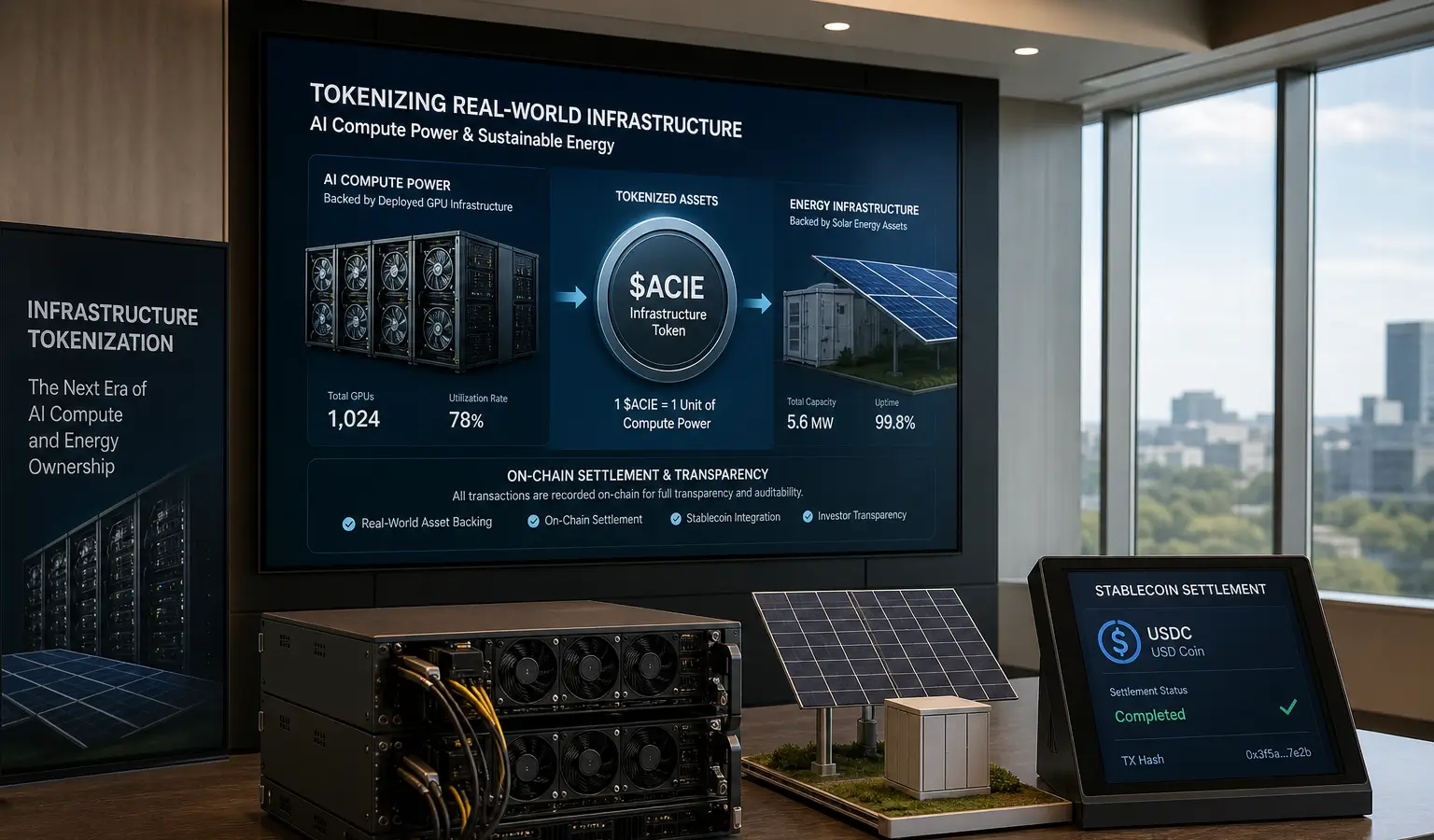
- The fund focuses on blockchain as a financing layer for expensive assets like GPUs, solar energy projects, and physical uranium.
- The move fits into a broader wave of blockchain adoption by traditional industries and could open up opportunities in Europe under MiCA.
Crypto venture firm Framework Ventures has unveiled a new $400 million fund, or €351 million, aimed at using tokenization and stablecoins to finance capital-heavy sectors such as artificial intelligence (AI), robotics, and energy. The strategy reflects a broader shift in which blockchain is moving beyond crypto trading and into the role of financial infrastructure for traditional businesses.
Tokenization as a Financing Tool for AI and Energy
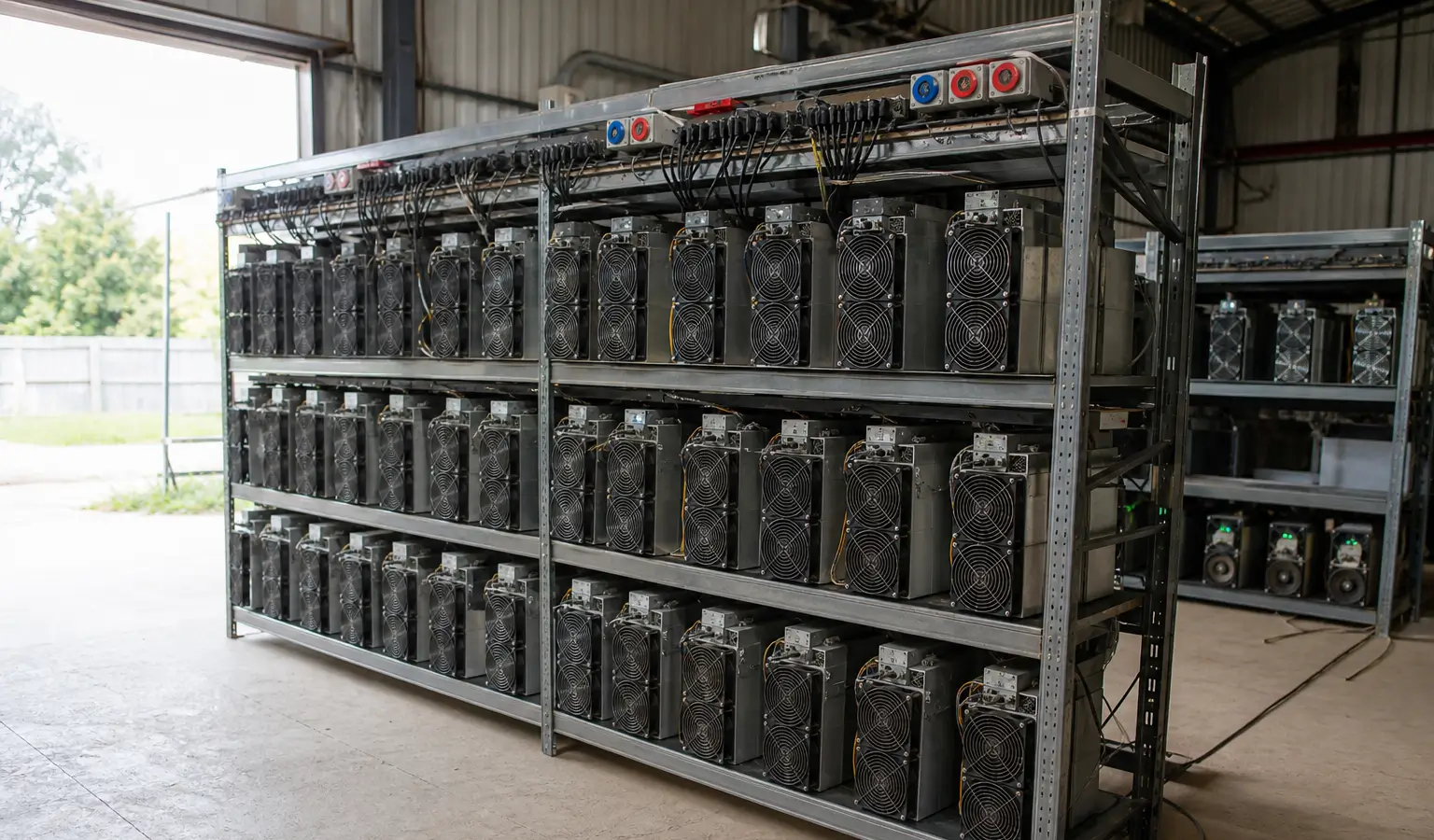
Co-founder Michael Anderson says tokenization and stablecoins are no longer just crypto-native tools. In his view, they are becoming core financial primitives for industries that need better ways to raise money. Framework Ventures sees a clear use case in helping fund costly hardware, including GPUs for AI infrastructure. By turning those physical assets into blockchain-based collateral, the firm says capital can be raised more efficiently and at a lower cost than through conventional securitization structures.
The firm is also backing projects such as Daylight, which supports residential solar projects through a distributed energy network, and Uranium Digital, which is building a tokenized marketplace for physical uranium. Together, those bets point to a broader thesis: blockchain can help unlock financing for sectors that are both expensive and essential.
A New Generation of Founders and Broader Adoption
Anderson says the current crop of crypto founders looks very different from the anonymous builders who defined earlier market cycles. Many of today’s entrepreneurs come from traditional finance, energy, or industrial technology, and they are using blockchain as the financial layer underneath real-world businesses rather than crypto-native products. Framework’s recent investments, including TVL Capital and Mecka AI, fit that pattern.
The trend also matches a wider shift across digital assets, where banks and asset managers are increasingly using blockchain to issue, trade, and settle traditional financial instruments. Stablecoins are also seeing more use in cross-border payments and treasury operations, which suggests the technology is moving well beyond speculation. Companies like Coinbase are building infrastructure that allows AI systems to handle payments and transactions on their own.
Why This Matters for the European Crypto Market
For European crypto investors and companies, the move toward tokenization as a financing layer could open up fresh opportunities. If blockchain can help fund capital-intensive industries, it may signal deeper adoption of crypto infrastructure across the broader economy. It could also increase demand for regulated, transparent platforms that operate within Europe’s rules, including MiCA.
More broadly, the trend underscores how blockchain is increasingly acting as a bridge between traditional industries and the crypto sector. That could create new investment themes and partnership opportunities across Europe.