
France Adds Quantum Security to Its Certification List, and Algorand Benefits
ANSSI will require quantum-resistant certification for security products starting in 2027. That raises the pressure on Algorand’s roadmap, which is supposed to deliver full quantum security by the end of 2027.
Key Takeaways
- Starting in 2027, France will no longer certify security products that lack quantum-resistant encryption.
- Algorand wants quantum resistance across every layer of its blockchain by the end of 2027.
- Quantum security is quickly turning into a baseline requirement for governments, institutions, and critical infrastructure.
Beginning in 2027, France will stop certifying security products that do not use quantum-resistant encryption. For Algorand, that adds fresh pressure to its own plan to make its blockchain broadly quantum-secure by the end of 2027, just as regulators and governments are treating quantum readiness as a must-have rather than a nice-to-have.
ANSSI Makes Quantum Security the Standard
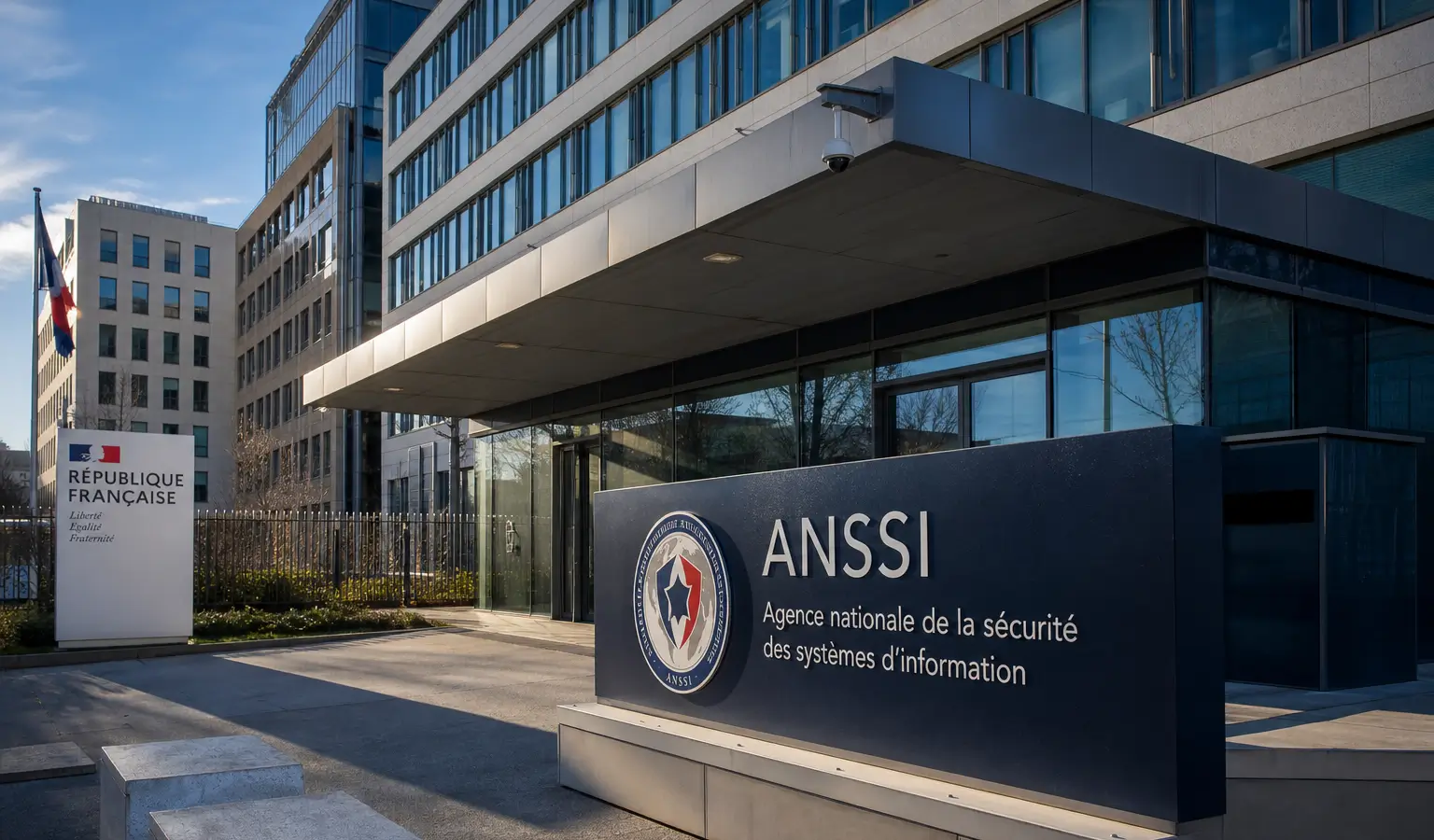
France’s cybersecurity agency ANSSI announced the change at the France Quantum conference in Paris. ANSSI chief Samih Souissi said that, starting in 2027, only quantum-resistant security products will qualify for certification. That is a big deal for companies selling to French government agencies and critical infrastructure operators, since certification often determines who can actually compete for those contracts.
Souissi also said companies should be buying only quantum-safe products by 2030. The timeline leaves little breathing room: certification typically takes 12 to 18 months, which means suppliers that are only starting now may already be behind. The warning also reflects growing concern about so-called harvest now, decrypt later attacks, where encrypted data is collected today and stored until quantum computers are strong enough to break it.
Algorand Is Betting on 2027
Algorand released its post-quantum roadmap in June and says it wants every layer of the network to be quantum-resistant by the end of 2027. That includes wallets, developer tools, and consensus. Native post-quantum accounts are scheduled to launch in the third quarter of 2026, using the lattice-based Falcon signature scheme, which Algorand has already relied on for State Proofs since 2022.
The roadmap also calls for multi-signature support and a migration of the foundation treasury later this year. That gives the plan a clear timeline, but it also makes the engineering challenge more complicated. Post-quantum cryptography has to do more than introduce new algorithms; it also has to fit cleanly into existing systems and infrastructure. In blockchain, there is also the issue of added computing overhead, since that can affect network performance.
Why This Matters for Europe
For European crypto investors, the bigger takeaway is that quantum security is no longer just a theoretical issue for engineers. It is increasingly becoming part of procurement standards and compliance. France and the U.S. are both moving toward 2027 as a key deadline, while NIST has also been working on post-quantum cryptography standards for years. That could shape which blockchain projects governments, institutions, and companies handling sensitive data are willing to trust.
ALGO was trading around $0.089 (€0.078), up 1.2% over the past 24 hours, with a market cap of about $796 million (€695 million). The broader market is also paying attention to other networks, because the question of which chains can handle quantum security is not just about Algorand. It is about the crypto market’s infrastructure as a whole.