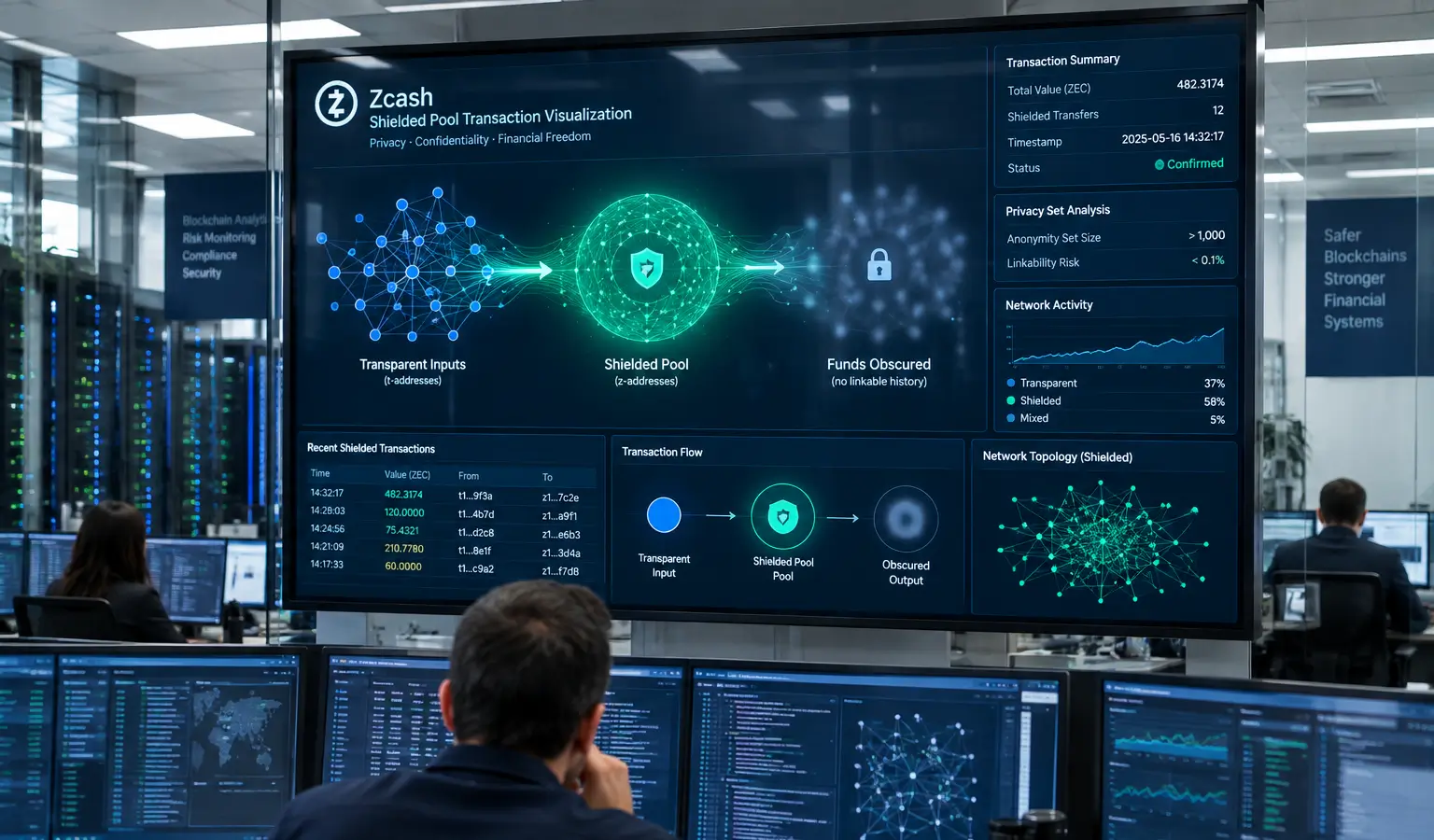
Gemini Switches to Zakura for Zcash Ahead of NU7 Upgrade
Gemini is testing Zakura as faster node software so ZEC deposits and withdrawals are ready for the NU7 upgrade and Zcash’s shorter block time.
Key Takeaways
- Gemini replaced Zebra with Zakura for its Zcash systems ahead of the NU7 upgrade.
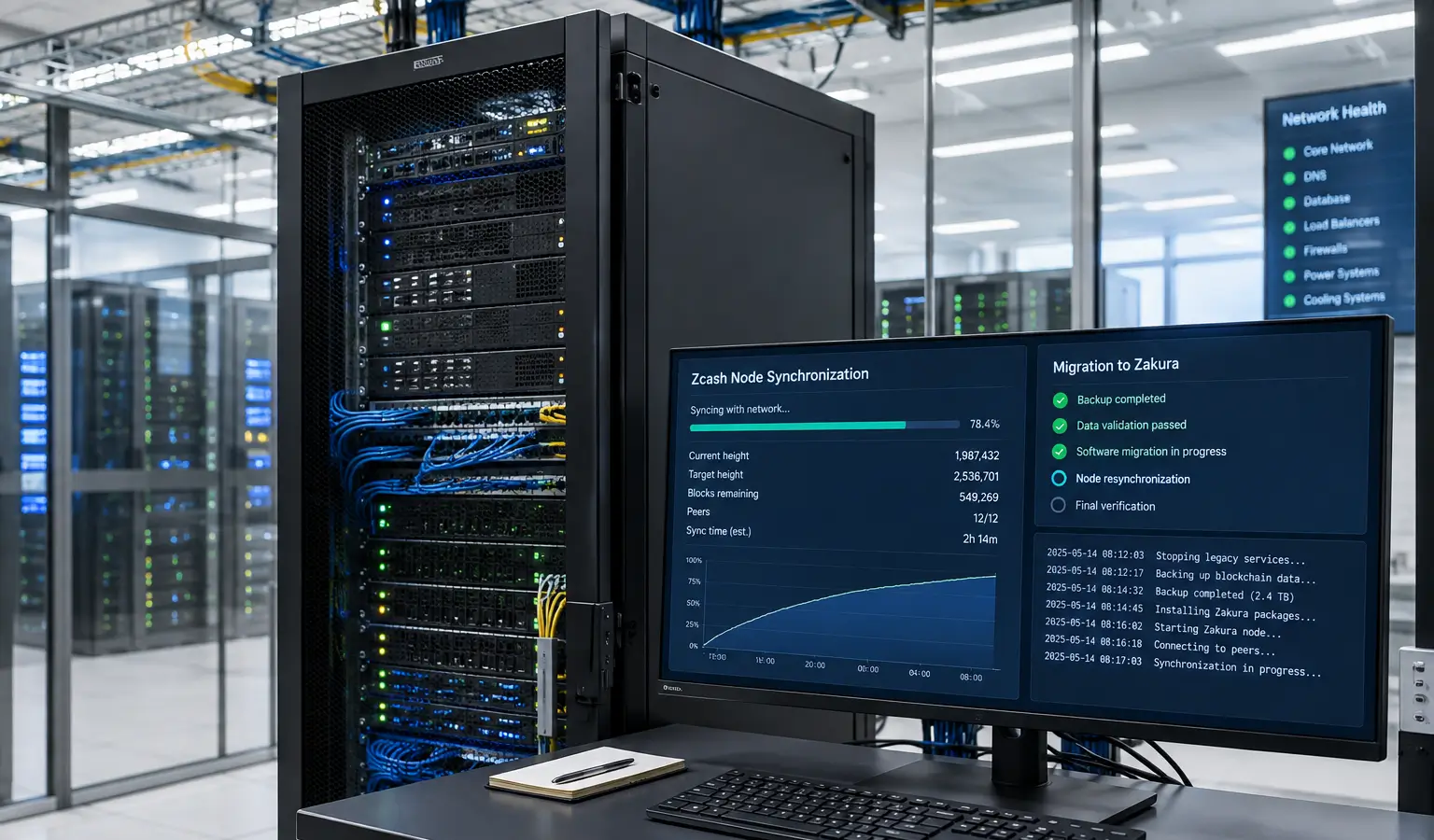
- Zakura synced at Gemini in a little over six hours; Zebra needed almost a full day.
- NU7 is expected to cut Zcash’s block time from 75 to 25 seconds, with testnet on October 6 and mainnet on November 5.
Crypto exchange Gemini has replaced the software for its Zcash systems with Zakura, ahead of a planned upgrade that is expected to cut block time from 75 to 25 seconds. The switch matters because exchanges run their own software to track and verify Zcash transactions before deposits show up in customer accounts.
Faster Synchronization
Gemini said Tuesday that Zakura was fully updated with the latest block during the rollout in a little over six hours. The previous software, Zebra, needed almost a full day for that. That difference matters for an exchange, because a computer that falls behind first has to catch up with the network’s full history before it can run normally again.
The Zakura developers also reported a separate test in which the system synced in 4 hours and 20 minutes, compared with almost 21 hours for Zebra. They also offer a stored copy of recent network data, so a replacement computer does not have to download Zcash’s history all the way from the beginning. In that test, they said it was about 680 times faster than a standard sync.
Why Exchanges Track This
If an exchange falls behind or goes offline, ZEC deposits can still come in while the balance is not visible right away. In those cases, exchanges often pause deposits and withdrawals temporarily until their system is fully updated again. For traders, the speed of that recovery is mainly an operational issue, not just a technical detail.
Gemini is led by Cameron and Tyler Winklevoss, and their involvement with Zcash goes beyond the exchange itself. Their investment firm previously led a $59 million (€52 million) funding round for Cypherpunk Technologies, a publicly traded company that holds and mines ZEC. An affiliated party also sold Cypherpunk a Zcash mining fleet in August for $33 million (€29.1 million).
NU7 Nears Testing Phase
The upcoming NU7 upgrade is expected to reduce the time between blocks from 75 to 25 seconds, meaning computers that follow the network will have to receive and check new batches three times as often. According to the schedule, NU7 will first go live on Zcash’s testnet on October 6, after which developers will decide whether to activate it on mainnet on November 5 based on those results.
For European crypto followers, the main point is that exchanges and wallet infrastructure have to adjust before a network change like this. If block time gets shorter, systems need to sync faster and process transactions faster, which raises the operational demands for exchanges and custody providers.
Withdrawal problems at Kraken also show how sensitive exchanges are to technical disruptions: if infrastructure falls behind, customers can immediately notice deposits or withdrawals slowing down.