Gold, Silver, and Bitcoin Fall on Expected Fed Rate Hikes
The market is pricing in two Fed rate hikes, which is putting pressure on gold and silver. Bitcoin is staying unusually steady around $100,000, setting it apart from the precious metals.

Key Takeaways
- Gold has fallen about 28% since January 2025 and is trading below $4,000 per ounce.
- Silver has lost more than half its value and dropped below $59 per ounce on Wednesday.
- Bitcoin has mostly stayed around $100,000 in 2025, while the market expects two Fed rate hikes before March 2027.
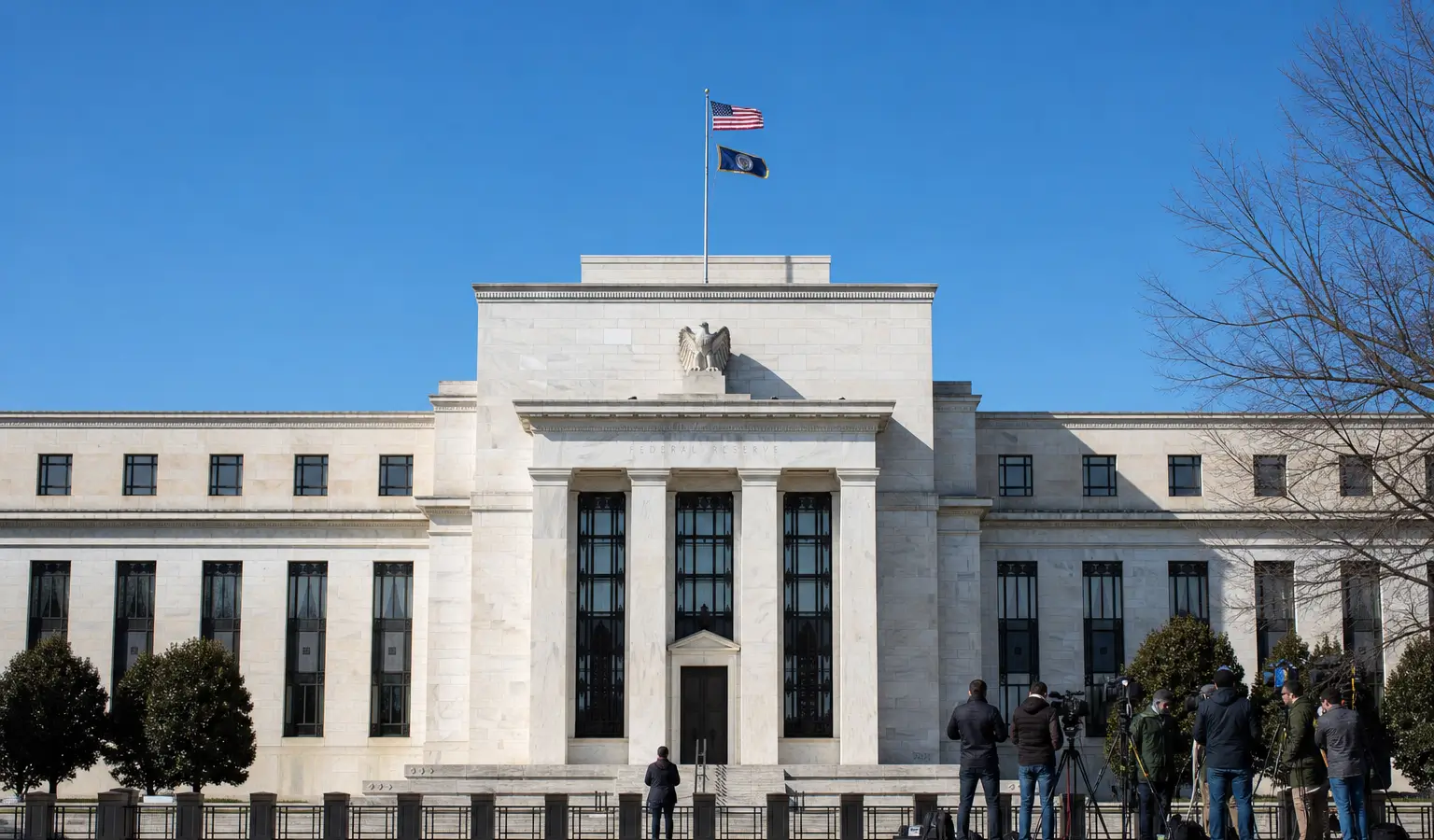
Gold and silver have dropped sharply since their peaks in January 2025. Gold is down about 28% from its high of $5,600 (€4,920) and is now trading below $4,000 (€3,510) per ounce. Silver has lost more than half its value and fell below $59 (€52) per ounce on Wednesday. This sharp correction comes as worries grow about tighter monetary policy under the new Federal Reserve chair, Kevin Warsh.
The Impact of Fed Rate Hikes on Precious Metals
Markets are currently pricing in two 25-basis-point rate hikes before March 2027, which would put the federal funds rate at 4.00% to 4.25%. These expectations are being driven by renewed inflation concerns. Higher interest rates raise the opportunity cost of holding non-yielding assets like gold and silver. On top of that, a stronger U.S. dollar often adds more pressure on these precious metals, which helps explain their decline.
Bitcoin Stays Steady Even as Precious Metals Slide
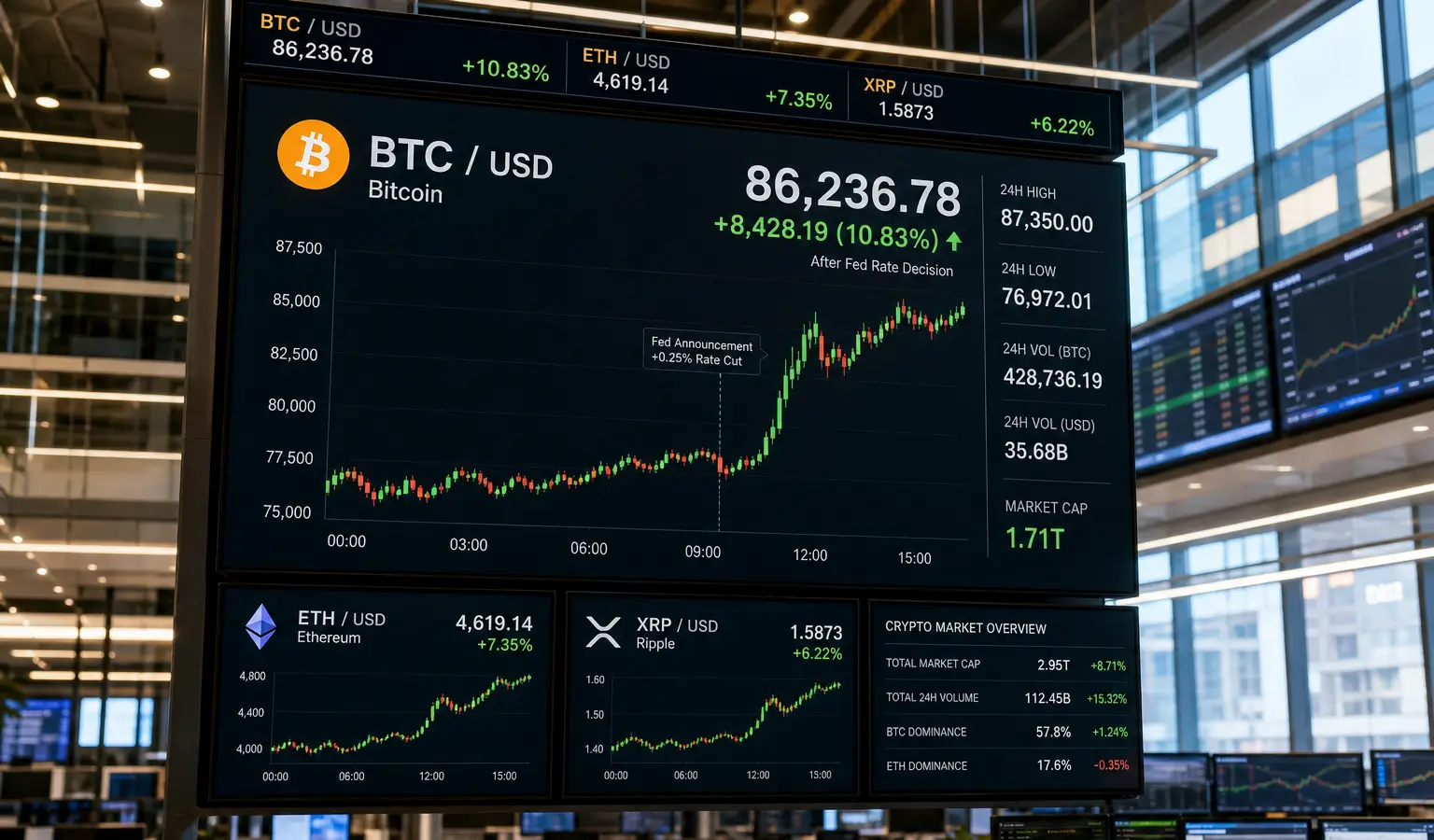
Unlike gold and silver, Bitcoin stayed mostly steady around the $100,000 (€87,800) level throughout 2025. That split has raised questions about Bitcoin’s role in the so-called "debasing trade" , the idea that government policy causes currencies to lose value. While gold and silver are seen as traditional hedges against currency debasement, Bitcoin seems to have played that role less clearly in 2025. That may be tied to changes in Bitcoin’s correlation with traditional stock markets, which dropped significantly in 2026, pointing to a shift in how Bitcoin fits into investment portfolios.
These developments show that investors are still closely rethinking Bitcoin’s role as a hedge against inflation and monetary weakening, especially as the Fed adjusts its policy and market conditions keep changing.