

Hong Kong Requires Crypto Exchanges to Report Taxes Starting in 2027
Starting in 2027, exchanges will have to record customer and transaction data, with automatic sharing with foreign tax authorities under the OECD CARF following in 2028.
Key Takeaways
- Hong Kong will require crypto exchanges starting in 2027 to record customer and transaction data for tax purposes.
- Starting in 2028, the Inland Revenue Department will automatically share that data with foreign tax authorities.
- The rules follow the OECD's CARF framework and are meant to curb cross-border tax evasion.
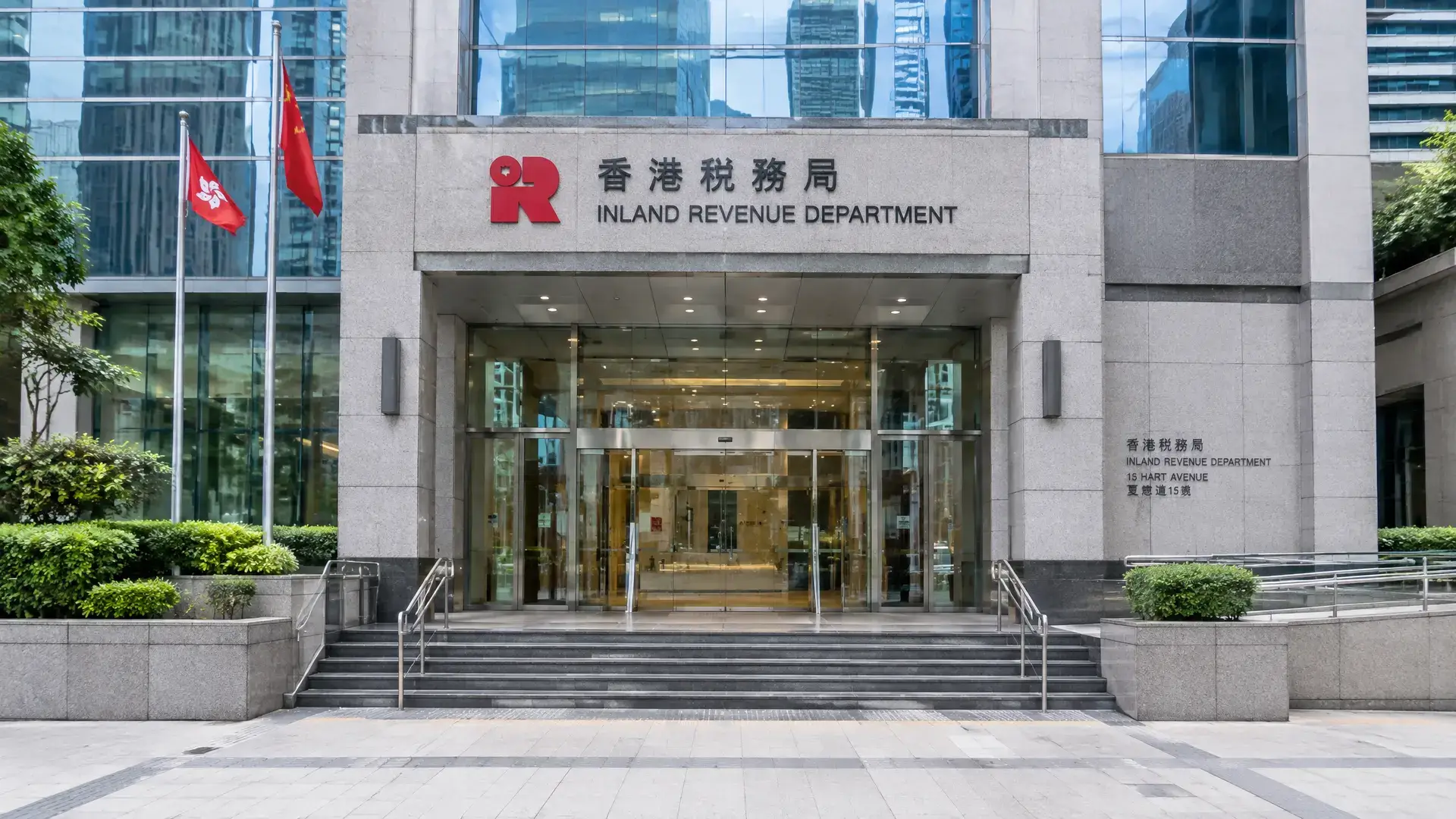
Hong Kong has passed a law that requires crypto exchanges and other service providers involved to collect customer and transaction data for tax purposes starting in 2027. Starting in 2028, that data will be automatically shared with foreign tax authorities.
New CARF Rules
The law follows the OECD's Crypto-Asset Reporting Framework, better known as CARF. The framework was published in October 2022 and is meant to make transactions in crypto more visible to tax authorities, so income that would otherwise stay out of sight can still be reported.
Under the new rules, crypto exchanges and brokers must record, among other things, customers' names, addresses, tax residency, and identification numbers. They must also keep track of crypto purchases, sales, and transfers. That includes swaps between tokens and transfers to external crypto wallets.
The Inland Revenue Department will share customer data and annual transaction totals with tax authorities in participating countries where those customers are tax residents. Hong Kong has required licenses for crypto exchanges since 2023, but it is now adding a reporting requirement for foreign tax authorities.
Broader International Framework
The move fits into a broader international push for tax transparency in crypto. According to recent figures, 76 jurisdictions have now committed to CARF, with many countries expecting automatic exchange starting in 2027. That shows Hong Kong is not acting alone, but is joining a growing standard for reporting crypto activity.
For European crypto readers, this matters because more and more major markets are adopting the same reporting rules. That could change how crypto exchanges handle customer data and how cross-border transactions are tracked administratively, without saying anything yet about the impact on the price of individual tokens.
Pressure for tax transparency is also growing in France: there, the Senate recently backed automatic sharing of crypto tax data under the same OECD standard.
Hong Kong Wants to Limit Tax Evasion
Christopher Hui, secretary for financial services and the treasury, said the rules are meant to help fight cross-border tax evasion. The government also stressed that the Inland Revenue Department will provide guidance and technical support to help companies meet the new requirements.
Hong Kong has already been sharing financial account information with foreign tax authorities since 2018 under the OECD's Common Reporting Standard. Changes that expand that system to more digital financial products will take effect in 2028, after which the first exchanges will begin in 2029.