Hong Kong Convicts Former Banker Over USDT Bribes
The case involving China Construction Bank (Asia) and Vesttoo shows how USDT was used to hide fake standby letters of credit. Meanwhile, Hong Kong is cracking down harder on fraud involving virtual assets.
Key Takeaways
- A former banker at China Construction Bank (Asia) was sentenced in Hong Kong to four years in prison for taking more than $470,000 in USDT.
- He helped confirm forged standby letters of credit and collateral letters in a case involving Vesttoo and Yu Po Holdings.
- The ICAC says crypto was used to hide the bribes, while Hong Kong is taking a tougher stance on fraud involving virtual assets.
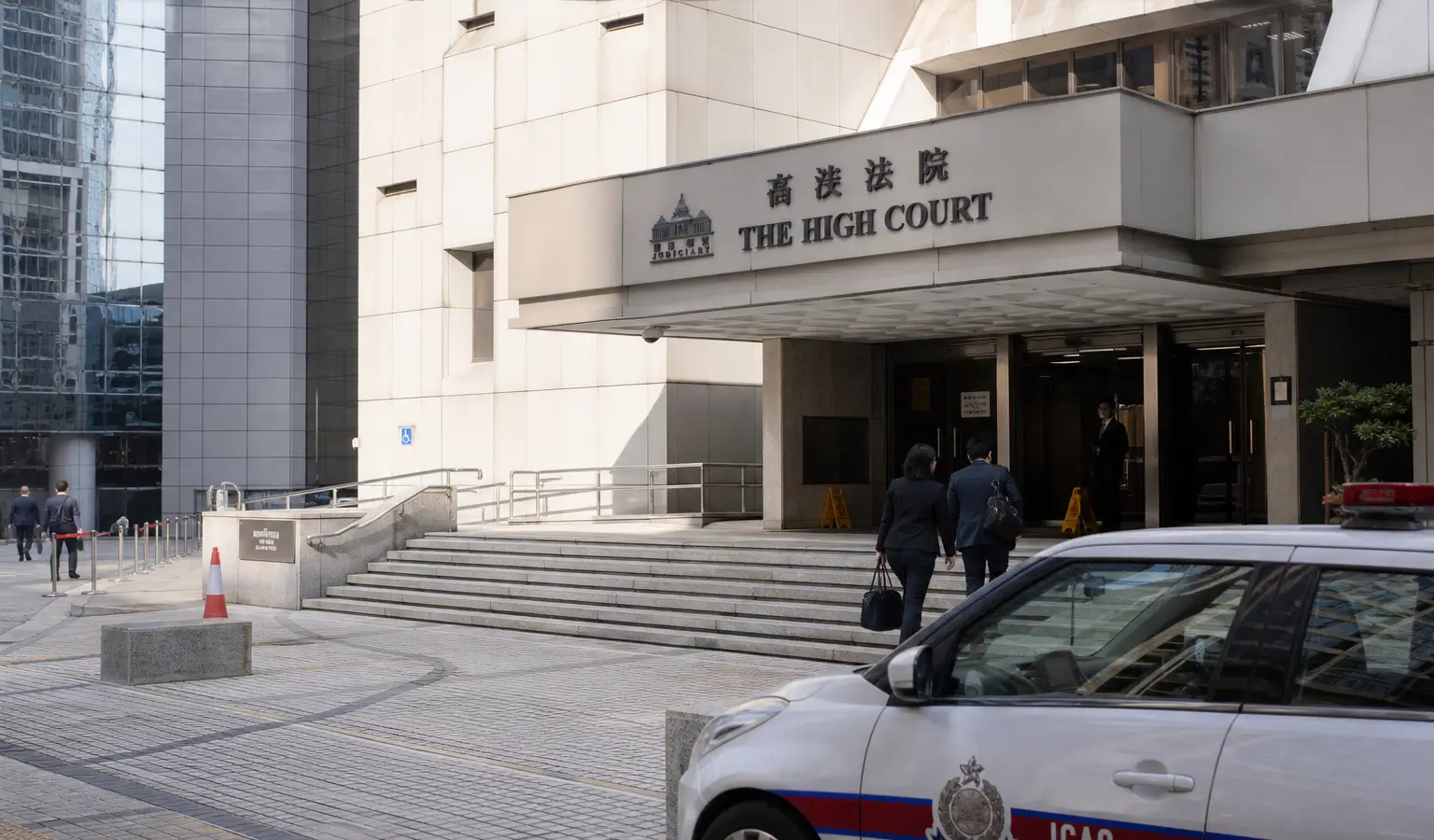
A court in Hong Kong sentenced a former relationship manager at China Construction Bank (Asia) to four years in prison after he accepted more than $470,000 (€410,100) in Tether, or USDT, to authenticate forged bank documents. The case centers on standby letters of credit with a stated value of more than $1.6 billion (€1.4 billion) and shows how crypto once again came up in a major corruption case.
Fake Guarantees and USDT
According to the Independent Commission Against Corruption, Lam Chun-yin, 32, worked in consumer banking at a branch in Causeway Bay. His role had nothing to do with letters of credit, and the bank had never authorized him for that.
The documents came into play through Vesttoo Limited, a foreign fintech that has since shut down. The platform was used for investments tied to insurance. Investors were supposed to provide bank-issued standby letters of credit as collateral.
Yu Po Holdings joined the platform in early 2022. After that, a criminal group arranged for Lam to falsely present himself as a contact person at China Construction Bank Corporation for issuing those guarantees. Between April and June 2022, he worked with a Vesttoo department head and others to accept USDT and confirm multiple fake standby letters of credit, plus two collateral letters that were supposedly issued and approved by Yu Po.
Investigation and Sentence
The bank uncovered the case during an internal investigation and then filed a corruption complaint with the ICAC. According to the authorities, neither CCB nor affiliated companies had issued the standby L/Cs or collateral letters involved.
Judge Ernest Lin Kam-hung started with six years and cut one-third off that sentence because of the guilty plea. He also ordered Lam to repay about HK$3.7 million (€3.2 million) to CCB (Asia), equal to the bribe amount.
Hong Kong Tightens Oversight
The ICAC said the people involved tried to hide the payments by routing the bribes indirectly through crypto. The agency has asked the court for arrest warrants for other suspects in the case.
For European crypto followers, the bigger takeaway is that Hong Kong has been cracking down harder in recent years on fraud involving virtual assets. The Hong Kong Police Force recorded 43,212 fraud cases in 2025, including 5,135 online investment fraud cases with total losses of HK$3.58 billion (€3.1 billion).
The city has also linked digital assets to enforcement before. In 2025, police froze virtual assets worth HK$480 million (€419 million), and in November that year, 16 people were prosecuted in a separate case involving a virtual asset trading platform with more than 2,700 victims.
Attention to oversight of digital assets is also growing elsewhere in Asia. In South Korea, for example, dozens of market abuse and fraud cases have already been investigated, showing that regulators in the region are increasingly including crypto in broader enforcement cases.