IMF: El Salvador Funded Bitcoin Growth With Donations
The IMF says the extra BTC since the latest review came from private donations, not public money. That means El Salvador’s Bitcoin holdings keep growing under stricter rules on oversight and budget discipline.
Key Takeaways
- The IMF says El Salvador did not use public money to build up Bitcoin after the first loan review.
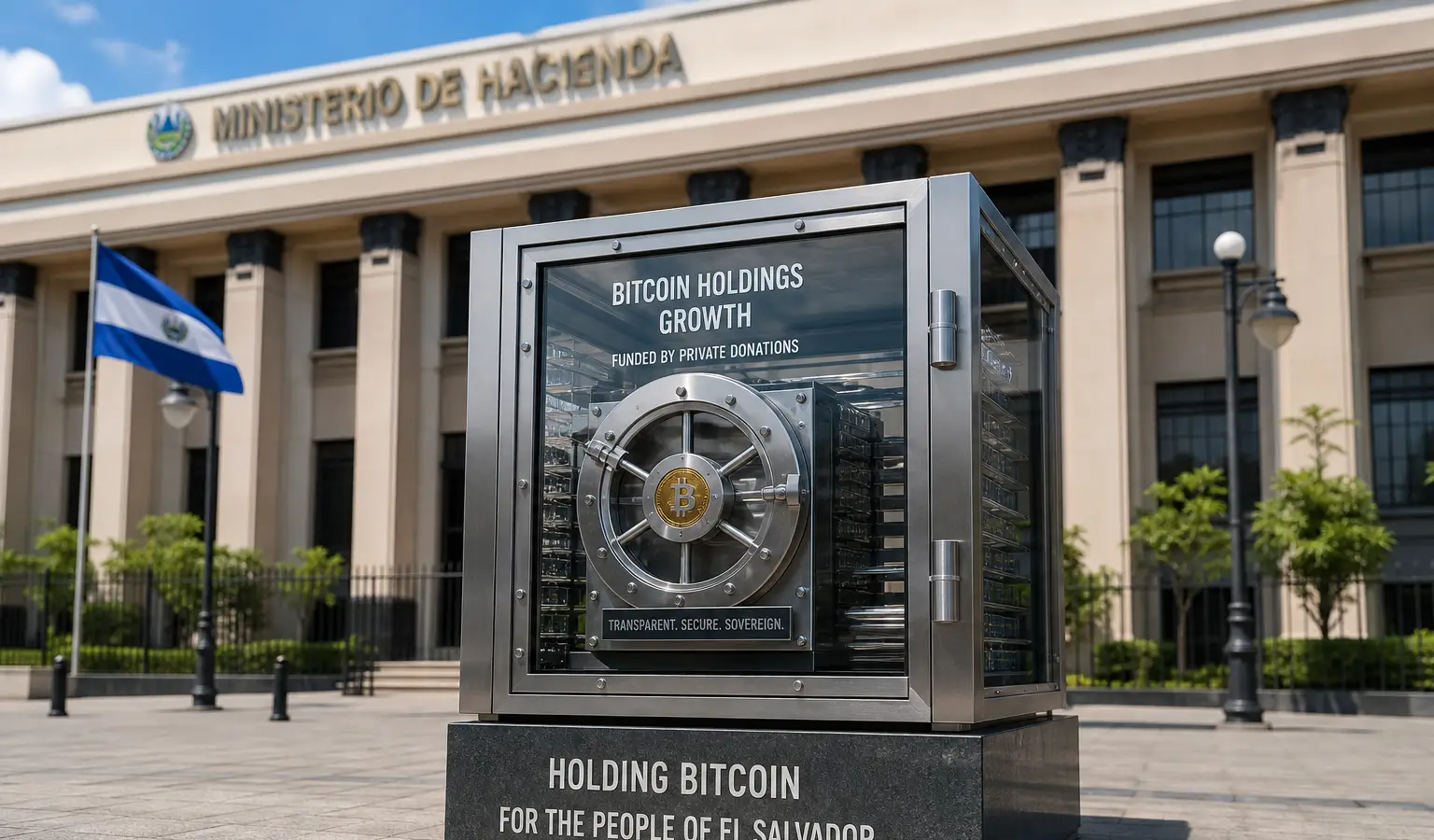
- According to the IMF, the extra BTC in the official stash came from private donations, while holdings rose to 7,764.37 BTC.
- El Salvador and the IMF also agreed to strengthen the legal and supervisory framework for crypto.
El Salvador did not use public money to build up Bitcoin after the first review of its loan program with the IMF, the fund says based on documents from Salvadoran authorities. According to the IMF, the extra BTC since that review came from private donations. That makes it clearer why the official stash kept growing, even though the agreement called for keeping the public Bitcoin balance unchanged.
Donations Behind the Growth
The country’s official tracker now stands at 7,764.37 BTC. In November, more than 1,000 BTC was added, and after that the stash kept rising by one BTC per day. The IMF did not name any donors and also did not say how much each one contributed.
President Nayib Bukele said back in March last year that the country’s Bitcoin purchases would not stop. The IMF’s new statement mainly shows that growth in the official holdings does not automatically mean the government itself bought more.
Tighter Rules With the IMF
Bitcoin has been a sensitive issue in talks between El Salvador and the IMF for years. The country made Bitcoin legal tender in 2021 as the first in the world, but the rules were later tightened: use became voluntary, taxes had to be paid in U.S. dollars, and public purchases were limited. In early 2025, Bitcoin was stripped of its legal tender status again and use was made voluntary.
The IMF previously said it was worried about risks around consumer protection and financial stability. The World Bank also rejected a request for help with the rollout at the time, partly because of concerns about the environment and transparency. At the same time, El Salvador and IMF staff have now also agreed to strengthen the legal and supervisory framework for crypto and improve public-sector oversight of Bitcoin.
Why This Matters
For European crypto followers, this is especially relevant because it shows how closely international institutions are now watching state Bitcoin holdings. That makes El Salvador’s case one of the clearest examples of how crypto, budget rules, and oversight intersect. The role of a crypto wallet like Chivo also remains important here, because custody and operational control directly affect how government holdings are managed.