India Orders Jack Dorsey’s Bitchat Removed
The move targets an open-source app that can also relay bitcoin transactions over Bluetooth, as India increasingly uses internet shutdowns during protests.
Key Takeaways
- India’s cybercrime watchdog ordered GitHub to take Bitchat offline under Section 79(3)(b) of the IT Act.
- Bitchat is a decentralized messaging app from Jack Dorsey that relays encrypted messages and bitcoin transactions over Bluetooth mesh networks.
- The move fits into India’s broader use of internet shutdowns and pressure on offline communication tools during protests.
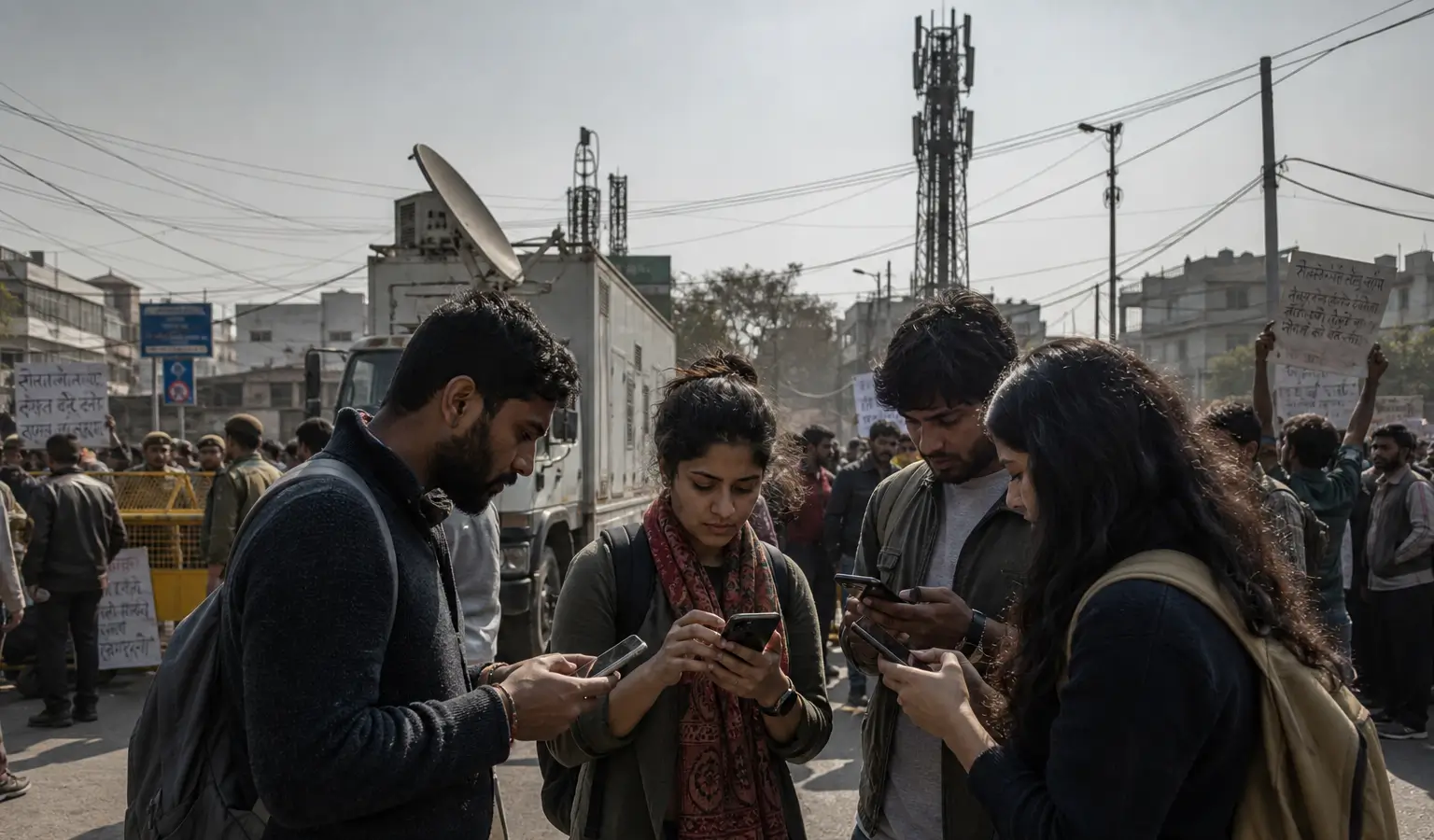
India’s cybercrime watchdog has ordered GitHub to remove Bitchat, the messaging app from Block CEO Jack Dorsey that can also relay bitcoin transactions. The order comes as protesters in Delhi rely on mesh-based tools to keep communicating during repeated internet shutdowns.
Takedown After Protests
Late Thursday, the Indian Cyber Crime Coordination Centre, which sits under the Ministry of Home Affairs, issued the takedown order under Section 79(3)(b) of the IT Act. CoinDesk reviewed the notice, which identified three GitHub repositories connected to Bitchat. GitHub was told to restrict access within three hours.
Authorities said the app enables anonymous communication without registration, phone numbers, or centralized logs. In their view, that makes lawful interception, user identification, and police investigations significantly more difficult.
What Bitchat Does
Bitchat is a decentralized messaging app that sends encrypted messages between phones using Bluetooth mesh networks. It does not rely on the internet, servers, or user accounts. Dorsey launched the software in July 2025 as an open-source project.
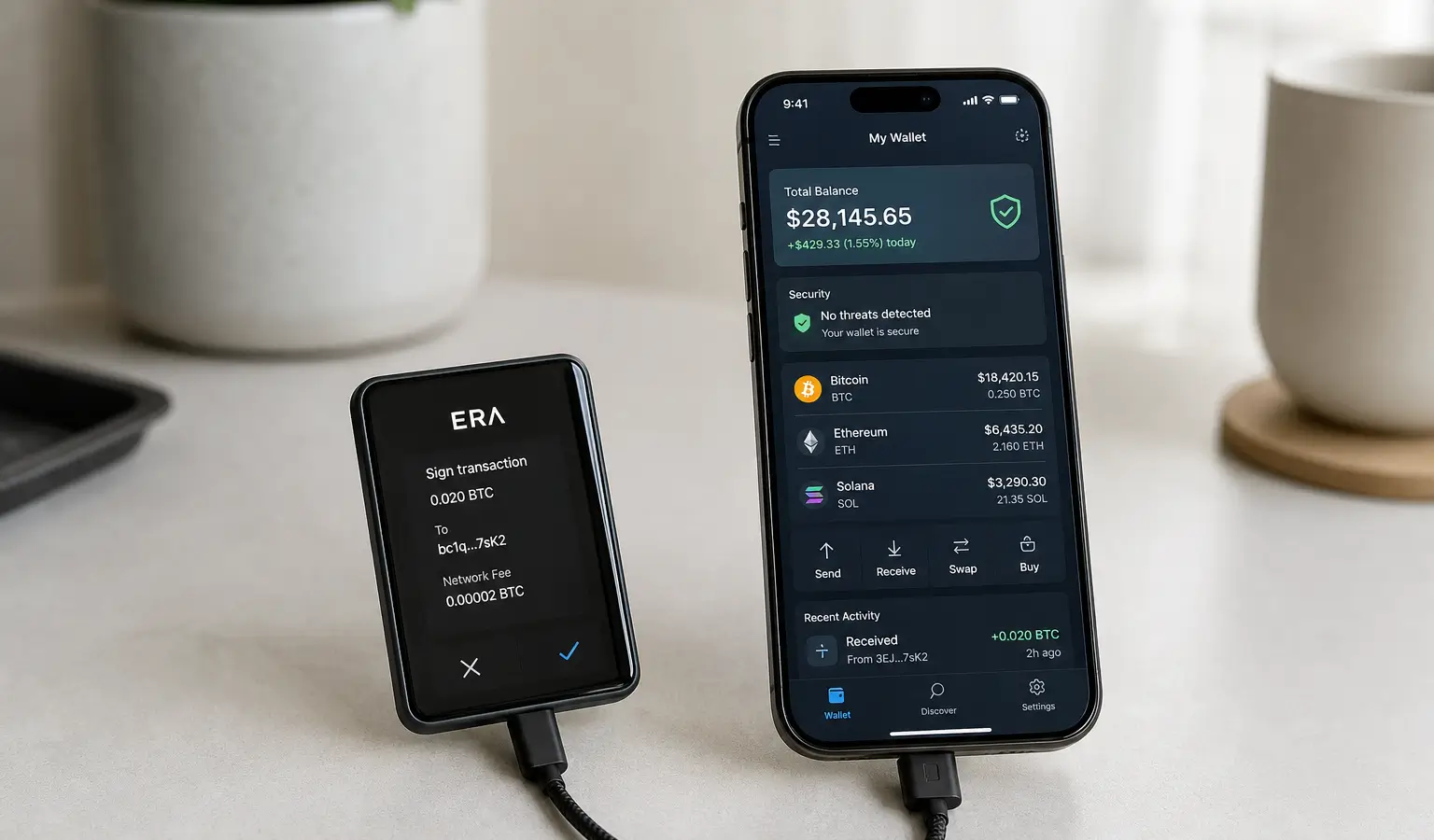
The app is also designed to pass along bitcoin transactions offline. A payment can hop from one phone to another until a device with internet access broadcasts it to the network. For Bitcoin supporters, that kind of permissionless design matters because it can keep transactions moving during blackouts, natural disasters, or government shutdowns.
India Tightens Pressure on Tools
The move fits a wider pattern in India, where internet shutdowns are used more frequently during periods of unrest. Earlier documentation points to more than 100 incidents a year across different states. During protests over the Citizenship (Amendment) Act in 2019, offline apps such as Bridgefy and FireChat also saw a sharp rise in usage.
For European crypto readers, the bigger point is that messaging apps, network censorship, and bitcoin functionality are becoming part of the same conversation. It also shows that open-source code does not simply vanish after a takedown, since projects are often mirrored across multiple hosts. That connects to broader debates around Bitcoin security and open-source development, like in the Bitcoin Security Consortium, where major players are funding research without controlling the protocols themselves. It was still unclear at publication whether GitHub met the three-hour deadline.