India Sees USDT Premium Jump After Crypto Firm Raids
After Enforcement Directorate raids in Bengaluru, USDT liquidity in India has been disrupted, while the RBI and a parliamentary committee discuss stablecoin policy.
Key Takeaways
- India’s USDT premium rose above 8.5% after raids on crypto remittance firms disrupted stablecoin supply.
- The Enforcement Directorate searched six locations in Bengaluru and targeted five crypto payment firms over alleged unauthorized cross-border transfers.
- The premium climbed further as market makers and liquidity providers pulled back, while India’s crypto regulation is back in focus.
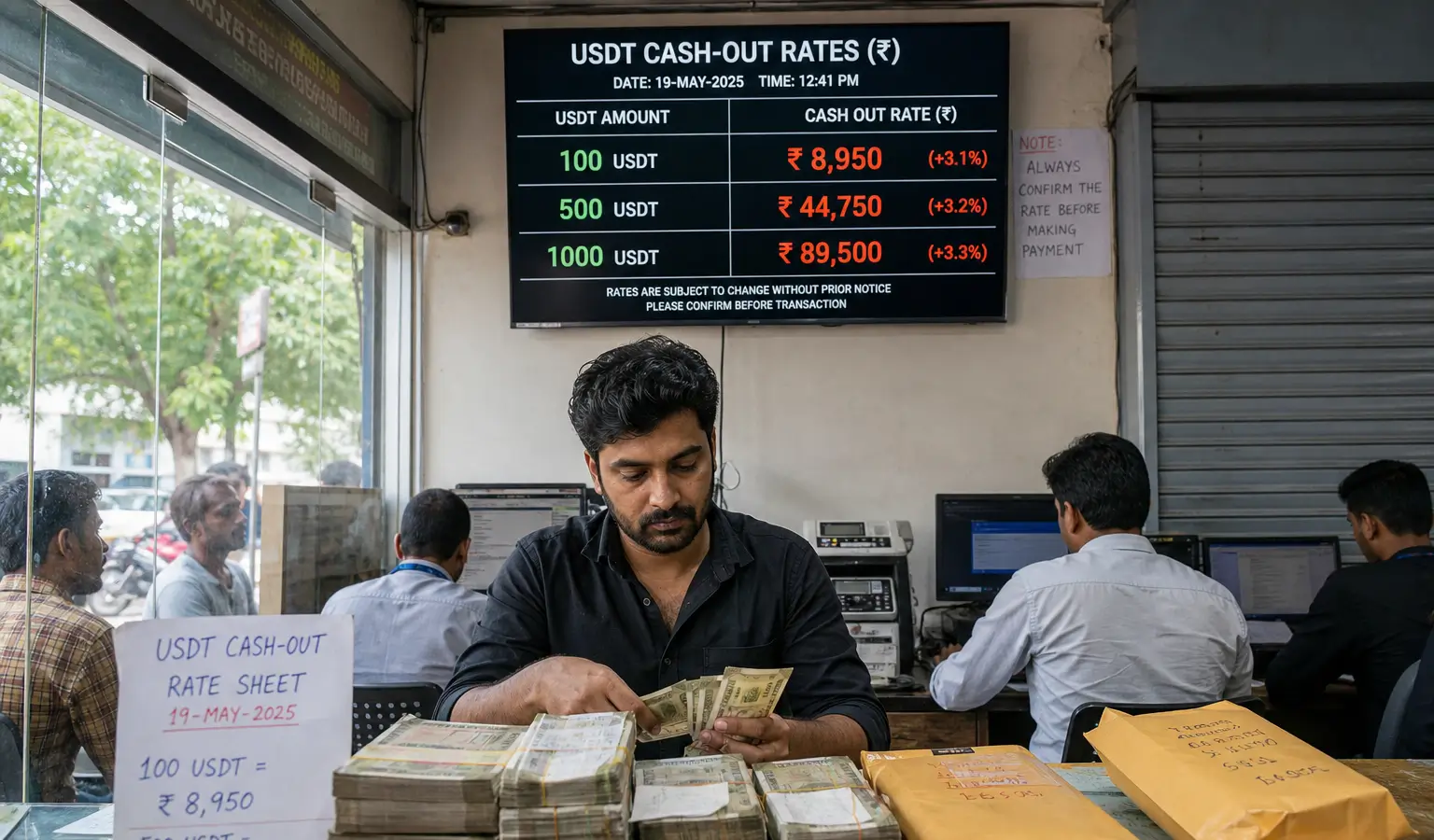
India’s USDT premium has moved above 8.5%, far outside its usual range, after Enforcement Directorate raids on crypto remittance firms squeezed the local supply of stablecoins. Over the weekend, Tether’s USDT changed hands at 102.88 Indian rupees on local platforms, while the interbank USD-INR closing rate stood at 94.65 rupees.
The Raids Hit Supply
According to The Economic Times, the premium kept climbing after the ED searched six locations in Bengaluru on June 17 under the Foreign Exchange Management Act. The agency focused on five crypto payment firms that authorities say may have helped move more than 2,500 crore rupees, or about $265 million (€232 million), in unauthorized cross-border transfers using virtual digital assets.
The alleged flow was straightforward: users deposited rupees into company accounts, those funds were converted into stablecoins, the tokens were sent overseas, and then sold on Indian exchanges. Investigators say that structure may have allowed users to bypass the paperwork and approval requirements that apply to formal remittance channels. The ED also said non-residents used USDT in place of bank transfers.
Why the Premium Is Rising
USDT normally trades at a spread of about 3% to 4% over the dollar, but the recent disruption has pushed that gap wider. After the ED’s announcement, market makers and liquidity providers also stepped back from buying USDT abroad, which added more strain to domestic liquidity.
That fits a familiar pattern in India, where crypto traders often pay higher premiums than global markets because of capital controls, banking limits, and compliance costs. For European readers, it is a clear example of how quickly local stablecoin prices can drift away from the dollar when the off-ramp system comes under scrutiny. The Bank for International Settlements has also warned recently that in emerging markets, stablecoins can accelerate dollarization because they do not function like traditional money, but instead behave more like an instrument with price gaps and settlement friction.
Regulation Is Still Front and Center
The timing matters here, because the Parliamentary Standing Committee on Finance is scheduled to meet with the Reserve Bank of India and the Institute of Chartered Accountants of India on July 2 to discuss India’s policy on virtual digital assets. The RBI has long taken a cautious view of crypto, and the central bank has repeatedly warned about the risks tied to stablecoins and cryptocurrencies.
The issue is also drawing attention abroad. In a March 2026 report, the Financial Action Task Force said stablecoins were linked to 84% of the $154 billion (€135 billion) in illegal virtual asset transactions in 2025. For India, the bigger question is not just the size of the market, but how quickly rules around payments, exchanges, and compliance may tighten in the months ahead.