Israel Charges American Suspect in Crypto Espionage Case
Lavon was allegedly recruited through Telegram and carried out tasks for an Iranian handler in small crypto payments. The case fits into a broader wave of Israeli espionage cases and points to crypto as a funding channel.
Key Takeaways
- Israel has charged Eli Lavon, a 21-year-old American, with alleged spying for Iran in exchange for about $1,379 in crypto.
- Lavon allegedly received instructions through Telegram, including surveillance in Jerusalem and leaving a USB stick as a dead drop.
- The case fits a wider pattern in which small crypto payments and chat apps are used for espionage, sabotage, and sanctions evasion.
Israeli prosecutors on Friday charged Eli Lavon, a 21-year-old American citizen, with allegedly spying for Iran's intelligence service in exchange for about $1,379 (€1,200) in crypto. The case underscores how these operations can now resemble gig work, with small payments, simple tasks, and limited insight into the larger mission.
Telegram as the Entry Point
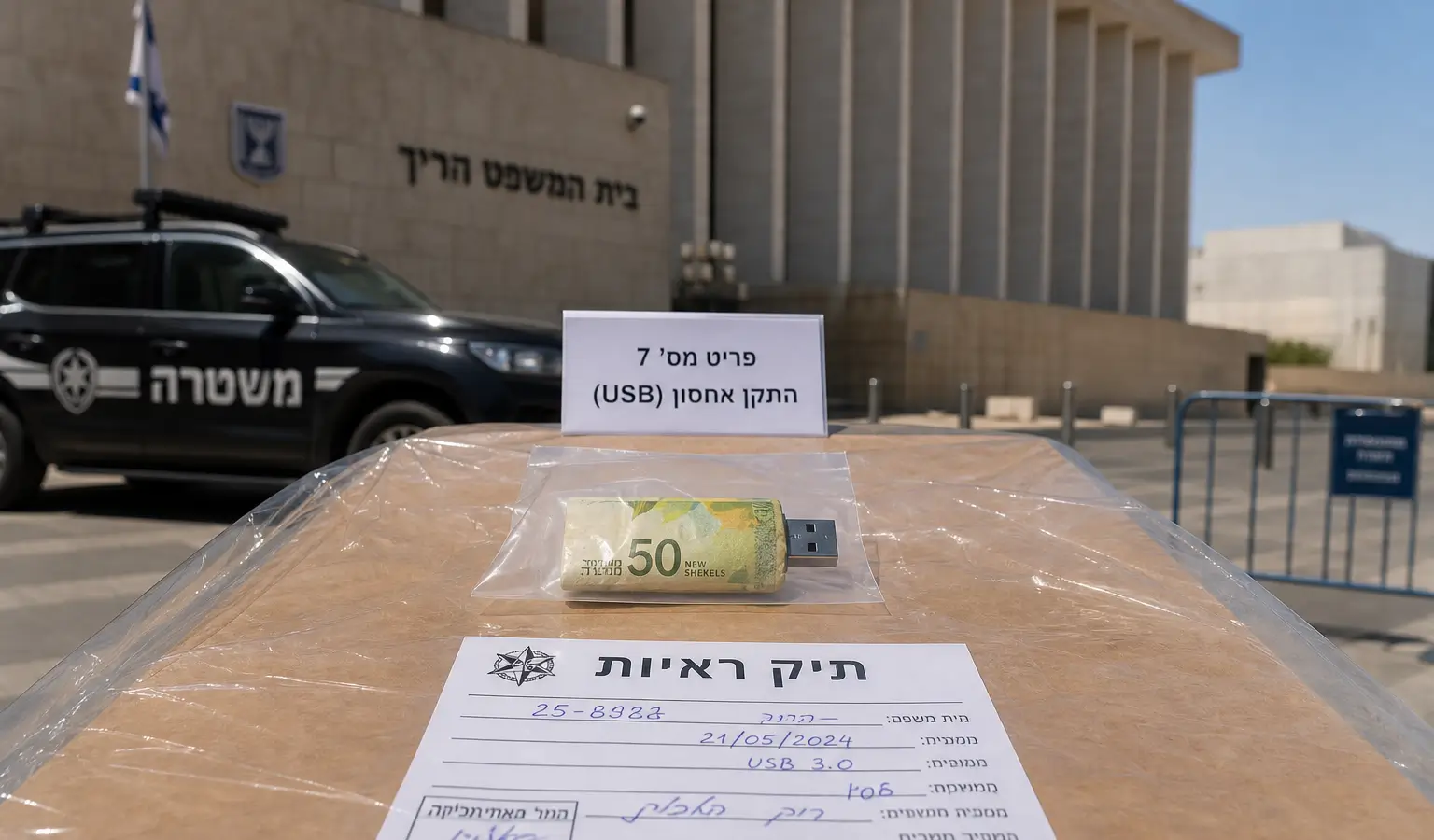
According to the indictment, Lavon allegedly answered a Telegram job ad in November 2025 while visiting family in the U.S. After he returned to Israel, an Iranian intelligence handler reportedly began sending him assignments. He is said to have filmed an abandoned building and a supermarket in Jerusalem, and to have left dead drops, including a USB stick wrapped in a 50-shekel bill.
The payments reportedly arrived in small installments, first a few hundred dollars and then another roughly $518 (€452) from a second handler. Authorities say Lavon is the first American tied to an Israeli espionage wave that has already produced at least 60 suspects since 2023. In many of those cases, the money appears to matter more than any ideology.
From Surveillance to Sabotage
The case also fits a broader pattern of crypto being used to get around sanctions and bankroll operations. Earlier this year, researchers said wallets linked to the IRGC received more than $3 billion (€2.6 billion) in crypto in 2025, accounting for more than half of Iran's crypto flows. That points to how dependent the regime has become on digital payments when traditional channels are squeezed.
The same pattern is showing up beyond Israel as well. The United States is planning a task force against cryptocurrency theft for exactly this reason: investigators are increasingly dealing with scattered wallets, micro-payments, and criminal groups that coordinate through chat apps. British police have already detained at least 28 people in connection with the London attacks, while a Belgian teenager was reportedly paid for an arson attack in Antwerp that was later claimed by HAYI.
Why It Matters
For European crypto readers, the main takeaway is that cases like this show how small onchain payments and chat apps can function together as an operational network. At the same time, investigators and exchanges are under growing pressure to track micro-payments and fragmented wallets, not just large transfers. That makes the line between financial crime, espionage, and cyber operations increasingly hard to pin down.