Itaú Joins Brazilian Tokenization Pilot With OpenAssets
Itaú is testing with ANBIMA and OpenAssets how bonds and funds can be issued and settled via blockchain. At the same time, Brazil is building rules for tokenized securities and stablecoins.
Key Takeaways
- Itaú Unibanco is joining a Brazilian pilot with OpenAssets and ANBIMA for tokenized assets.
- The pilot is testing how bonds and mutual funds can be issued, traded, and settled via blockchain.
- Brazil is also moving faster on rules for tokenized securities, making the country an important test market.
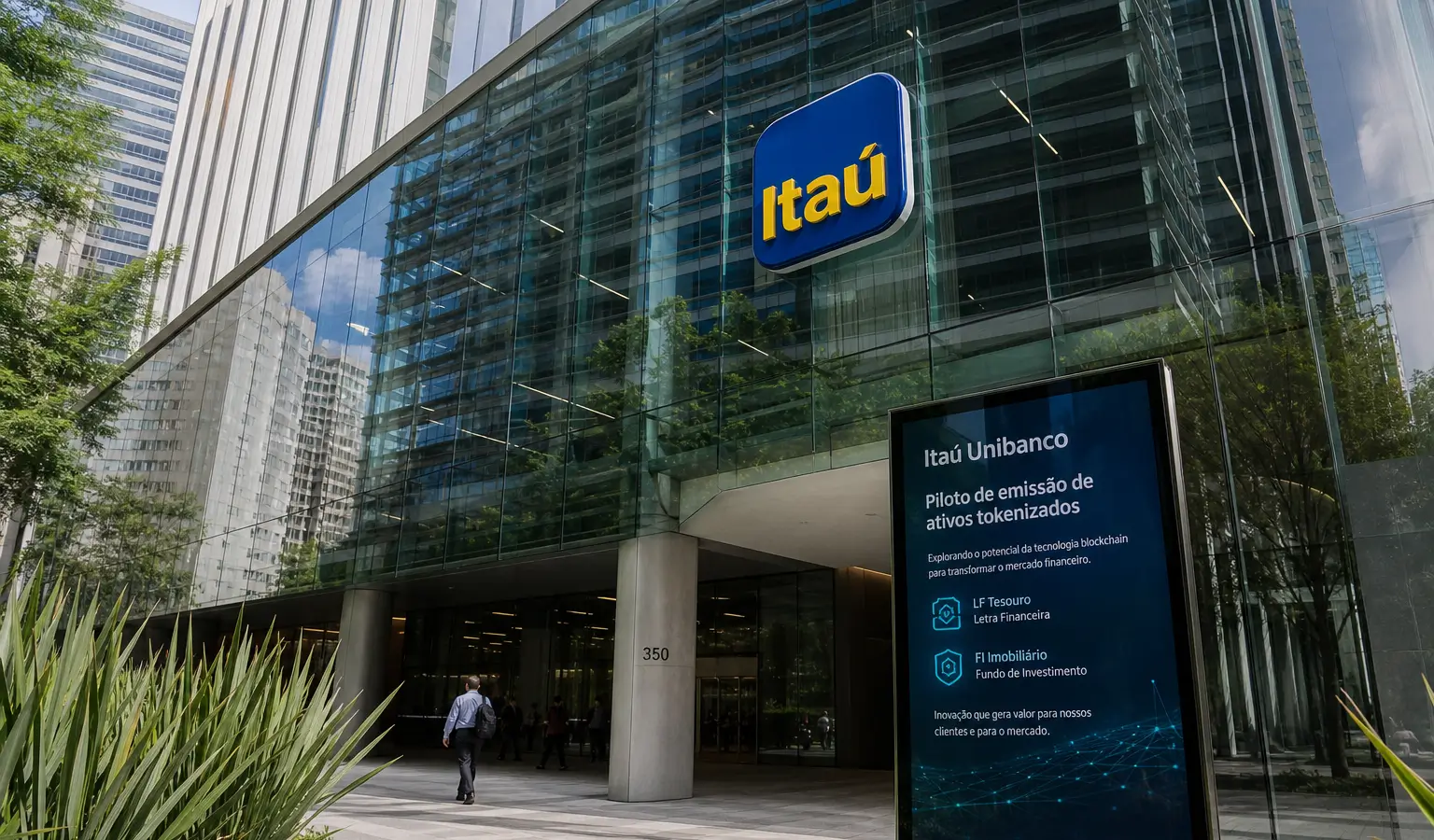
Itaú Unibanco is taking another step into tokenized assets and joining a pilot in Brazil that is meant to show how traditional investments can be issued, traded, and settled via blockchain. The country’s biggest bank is working with OpenAssets on the project, which is being led by industry group ANBIMA.
Pilot With Bonds and Funds
According to the parties involved, the project focuses on fixed-income securities and mutual funds. The pilot is meant to show not only how these products can technically run on distributed-ledger technology, but also what rules and standards banks and asset managers need to work with them.
That Itaú’s participation gives the initiative extra weight. The São Paulo-based bank is Latin America’s biggest lender and had more than $562 billion (€487 billion) in total assets, according to S&P Global. That matters for the Brazilian market because tokenization there is no longer limited to small test projects, but is increasingly being tested by established financial players.
Brazil Speeds Up With Rules
Itaú’s move fits into a broader shift in Brazil, where regulators have recently been moving faster to build frameworks for tokenized assets. The Central Bank of Brazil issued resolutions 519, 520, and 521 in November 2025, bringing VASPs under BCB authorization and classifying fiat-backed stablecoin transactions as foreign exchange operations. The CVM is also actively working on tokenized securities and set up a special working group in July 2026 to write an experimental framework for registration, custody, trading, and settlement via blockchain.
That mix of bank interest and regulatory development makes Brazil one of the most notable test markets for tokenization. Earlier initiatives have already ranged from debt and receivables to tokenized cows in Paraná, showing how broadly the technology is being explored in the country. Itaú was also already involved in the central bank’s Drex pilot in 2023, where blockchain transactions with tokenized money and assets were tested.
Why This Matters
For European crypto readers, this pilot shows how tokenization is moving further from experiment toward institutional infrastructure. That matters especially because the debate is not only about crypto-native tokens, but also about how traditional financial products can be brought onto blockchain rails within a regulated framework. In markets where regulators and banks are building the foundation at the same time, that could raise the bar for how tokenized securities are later rolled out internationally.