JPMorgan Says Clarity Act Stalemate Is Weighing on Crypto
The U.S. market structure bill is meant to clarify SEC and CFTC oversight, but ethics and DeFi disputes are slowing the Senate process.
Key Takeaways
- JPMorgan says the stalled Clarity Act is reducing the chances of clearer crypto regulation.
- The bank estimates a 37% chance of passage this year, as negotiations remain stuck on ethics, DeFi, stablecoin yield, and anti-money laundering rules.
- JPMorgan still expects institutional adoption to continue, but says some draft provisions could make participation harder.
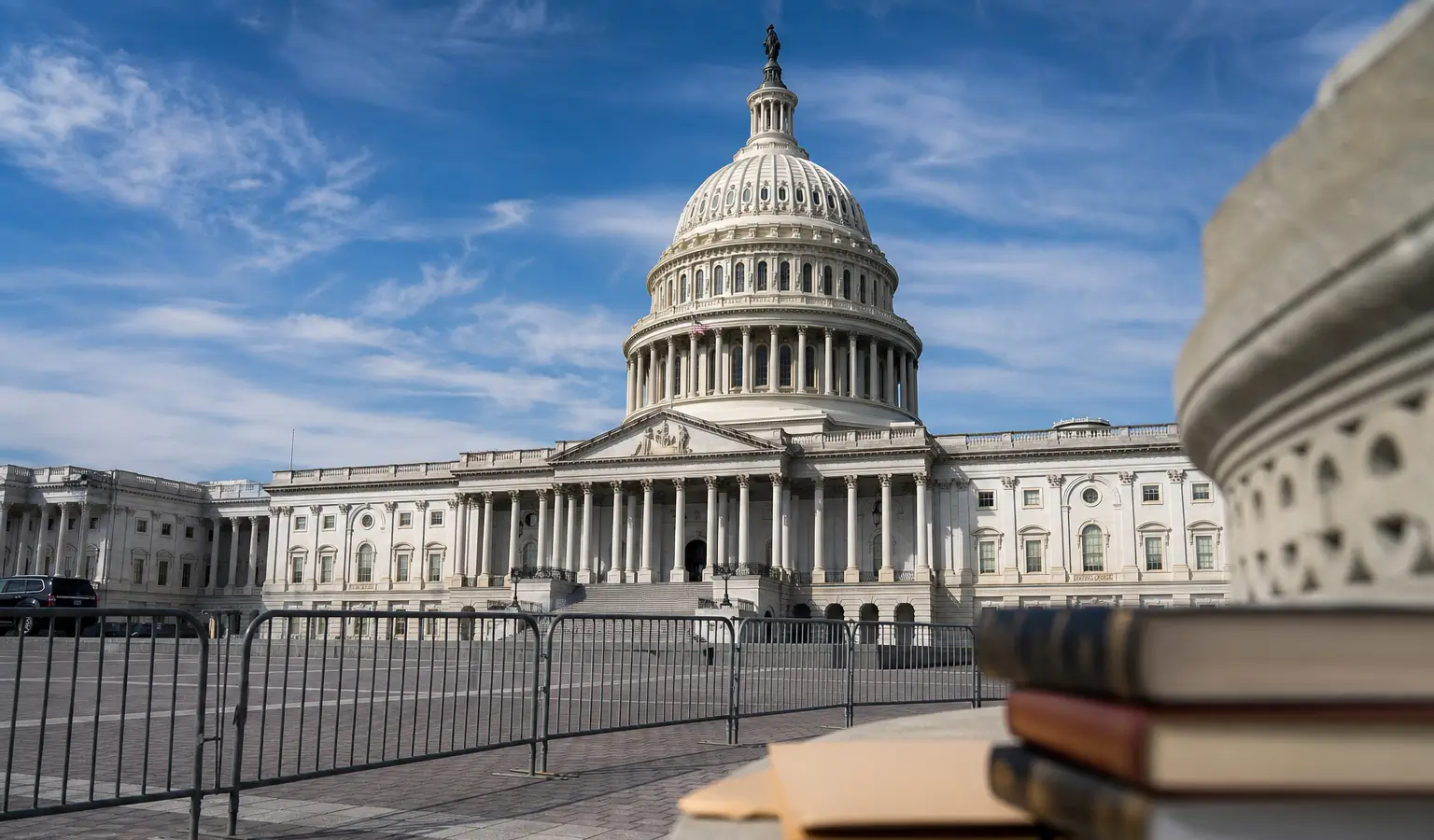
JPMorgan says crypto may be missing a key regulatory catalyst now that the Clarity Act has stalled in the U.S. Senate. In the bank’s view, that not only lowers the odds of broader clarity across the sector, but also makes it less likely that banks and asset managers will step in more aggressively.
Legislation Is Losing Momentum
The bank noted that prediction markets now assign the bill just a 37% chance of passing this year. Before the summer recess, the Senate moved other bills ahead of it, while talks have since gotten bogged down over ethics language, enforcement, DeFi, stablecoin yield, and anti-money laundering rules.
The Clarity Act is designed to give the U.S. crypto market a broader rulebook by dividing oversight between the SEC and the CFTC. That would help define which tokens are treated as securities and which are commodities, something JPMorgan says is necessary for a more predictable setup for crypto intermediaries, tokenization, and decentralized projects.
Why This Matters for Europe
For European crypto readers, the issue matters because U.S. market structure rules often influence how global firms design products and build infrastructure. If the U.S. stays without a clear framework for longer, tokenization and blockchain applications may end up relying more on traditional financial rails than on public crypto networks.
Institutional Adoption Is Still Moving Forward
JPMorgan sees the delay as a setback for institutional adoption, but it also says the broader trend is still intact. The bank pointed to Citadel Securities' $400 million (€351 million) investment in Crypto.com and the CFTC's approval of the first U.S.-regulated perpetual crypto futures contracts.
Even so, the bank warned that parts of the current draft could make institutional participation less attractive. For instance, some tokenized securities and derivatives could fall outside SEC or CFTC oversight, while anti-money laundering requirements would be lighter than the rules that apply to traditional financial institutions.
The delay is part of a wider stalemate around U.S. crypto legislation. In the Senate, lawmakers are still working through ethics and oversight questions, as seen in the talks over the Clarity Act.