Kalshi Loses Another U.S. Sports Contracts Case
The Ohio and Tennessee court sees Kalshi’s sports contracts as gambling, not swaps under CFTC oversight. The ruling raises the odds of an appeal all the way to the Supreme Court.
Key Takeaways
- The Sixth Circuit ruled that Kalshi’s sports-related event contracts are not swaps and fall under state gambling rules.
- The case centered on lawsuits against regulators in Ohio and Tennessee, but Kalshi did not get temporary protection from enforcement.
- The ruling increases legal uncertainty around prediction markets and could lead to further proceedings all the way to the Supreme Court.
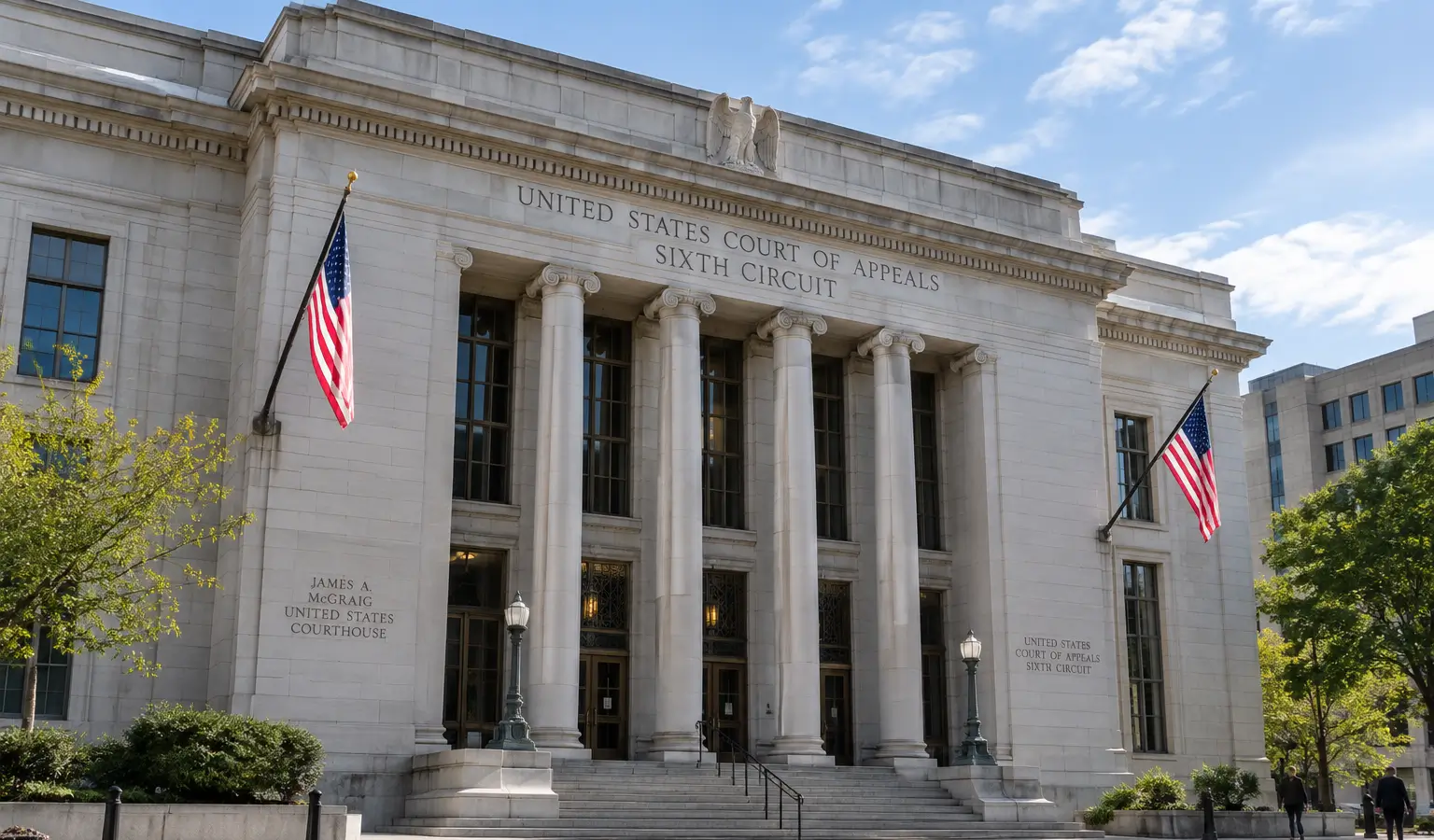
Kalshi has taken another legal hit in the U.S.. A panel of the Sixth Circuit Court of Appeals ruled Friday that the platform’s sports-related event contracts are not swaps and therefore fall under state gambling rules, not oversight from the federal Commodity Futures Trading Commission.
Another Setback for Kalshi
The case centers on two lawsuits Kalshi filed against regulators in Ohio and Tennessee. The company wanted a preliminary injunction to stop those states from suing the platform, but the judges did not agree on the core question of the contracts’ legal status.
According to the court, the sports contracts are tied to an event, but not to an event with a possible financial, economic, or commercial consequence in the sense of the law. That means Kalshi’s argument, according to the panel, does not fit the federal swap definition.
Clash Between State and Federal Rules
The ruling fits into a broader fight between states and prediction market platforms. Since these markets have grown faster after the 2024 U.S. election, several states have tried to bring them under their own gambling rules. Taxes and age limits are also part of the issue, because prediction markets are often available starting at age 18, while many state licenses require age 21.
The judges even used an example involving the New York Giants to explain that it depends on how an event is defined legally. If the question is whether the team wins, that is the event itself. If the question is the game, then the win is the outcome of that game.
Why This Matters More Broadly
For European crypto readers, this is especially relevant because prediction markets are increasingly operating at the intersection of crypto, trading, and regulation. In the U.S., Kalshi is a federally regulated Designated Contract Market under the CFTC, but the ruling shows that status does not automatically cover all sports contracts. That makes it more likely that the legal fight will move further up the court system, possibly even to the Supreme Court.
The ruling also lines up with earlier splits in other circuits. The Third Circuit previously gave room for federal CFTC jurisdiction, while the Eighth Circuit did not see sports contracts as swaps. Those conflicting rulings increase the pressure for a final decision from the highest court. There is also already a separate case against Polymarket in New York, where the state wants to block the platform as an illegal gambling business.