

Kraken Buys Lithuanian Bank in Stablecoin Battle
Through Saldo Bank, Payward wants to get closer to a European banking license, while tokenized deposits in the UK and the US put pressure on stablecoins.
Key Takeaways
- Kraken parent company Payward is taking over Saldo Bank in Lithuania to get closer to a European banking license.
- The deal still needs regulatory approval and is expected to close only in 2027.
- Banks are developing tokenized deposits, which could cause stablecoins to lose ground as a payment method.
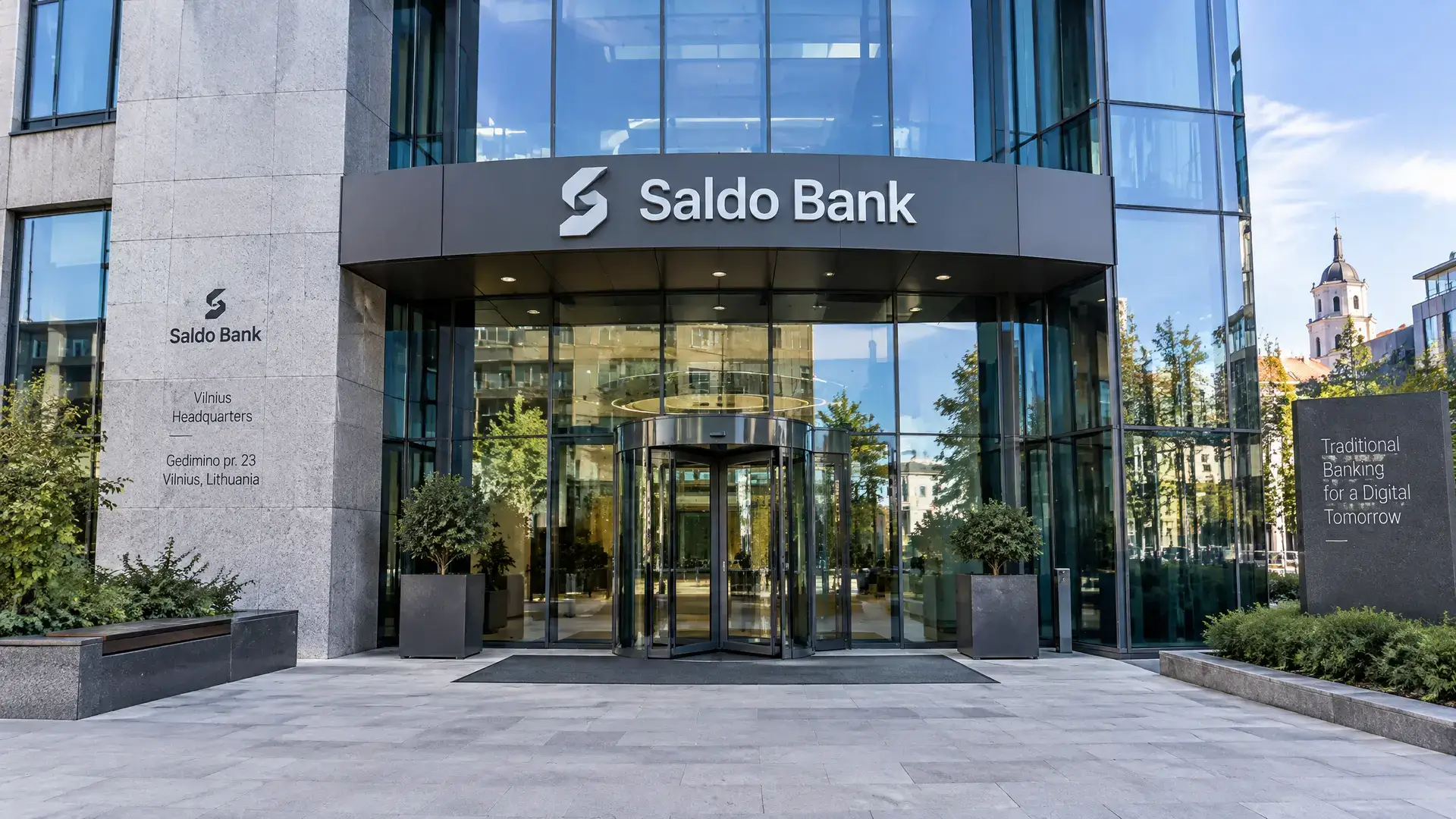
Kraken parent company Payward has agreed to the acquisition of Saldo Bank, a digital bank licensed in Lithuania. With that move, the crypto exchange is taking another step toward a European banking license. The deal still has to clear regulators, and it is expected to close only in 2027. The move fits into a broader trend of crypto companies and banks getting closer to each other.
Banking License in Sight
The acquisition follows an earlier milestone for Kraken Financial, which in March became the first digital asset bank to receive a Federal Reserve master account. That matters for Kraken because it not only brings the company closer to the traditional banking system, but also gives it more room to combine payment and deposit services with crypto.
The market is moving in the same direction outside Kraken too. Seven UK banks have completed their first live payments with tokenized deposits, while 25 American banks are working on a shared network for the same goal. That shows banks are no longer just watching from the sidelines, but are trying to build digital forms of money that are faster and programmable.
Stablecoins Are Losing Their Edge
The main question is whether stablecoins can keep their advantage if banks make tokenized deposits widely available. For companies, it really comes down to three things: does the money arrive reliably, what does it cost, and what kind of protection comes with it. If a bank account can already do that, the move to a separate stablecoin issuer becomes less obvious.
Tokenized deposits are technically very similar to stablecoins, but they remain bank money. They can be used for programmable payments and, unlike many stablecoins, can earn interest and fall under deposit protection within the applicable limits. At the same time, the new US GENIUS Act, which takes effect in January, says stablecoin issuers may not pay interest to holders. That could make the competition with bank money even tougher.
What This Means for Europe
For European crypto readers, the big takeaway is that the line between crypto and banking is blurring faster. If more banks roll out tokenized deposits, that could change the role of stablecoins from a broad payment method into something more specialized. The outcome still depends on approvals, cooperation between banks, and whether regulators give cross-border networks enough room to grow.