Letitia James Pushes Back Against Coinbase's Support for Crypto Bill
James says the CLARITY Act would weaken state action against crypto fraud, while Coinbase is pushing for fast federal rules. The Senate still has to decide how oversight will be split between the CFTC and the states.
Key Takeaways
- Letitia James is opposing the CLARITY Act because she says it would leave victims of crypto fraud with less protection.
- She argues the bill puts most oversight in the hands of the CFTC and pushes aside state investor protection laws.
- Coinbase wants quick approval, but there is still no Senate majority, and a vote before the summer recess is uncertain.
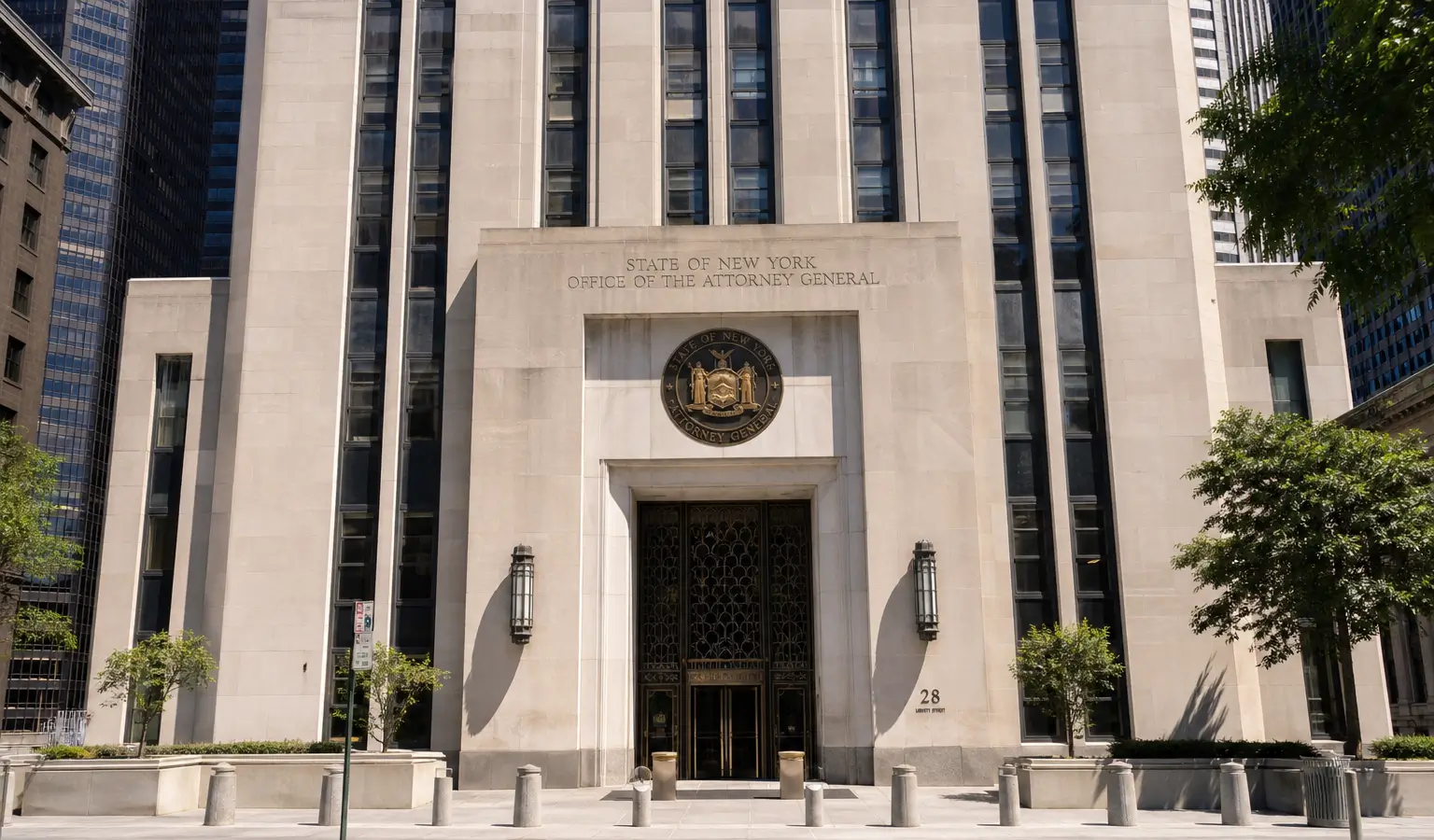
New York Attorney General Letitia James is pushing back hard against a Senate bill that Coinbase wants Congress to advance quickly. She says the Digital Asset Market Clarity Act, or CLARITY Act, would leave victims of crypto fraud with weaker protection by limiting how much states can step in.
Fight Over Oversight
James sent her objections to a Senate committee on Monday as lawmakers continue reviewing the bill. Her core argument is that the proposal would place most crypto oversight under a single federal agency, the Commodity Futures Trading Commission, while sidelining state investor protection laws. For her office, which handles regulation of securities and commodities for 20 million New Yorkers, that would directly undercut enforcement.
The CLARITY Act has already been around Washington for a while. Representative J. French Hill introduced it in May 2025, and the House passed it with broad support in July 2025, by a 294 to 134 vote. Now the Senate is taking a closer look, with several groups arguing that the split between federal and state authority goes too far in one direction.
Fraud and Enforcement
James is also pointing to crypto scam data to support her case. According to the FBI, the average person who reported a case lost $62,604 (€55,000), and crypto complaints climbed 21% over the past year. In her statement, she cited examples including fraud connected to prayer groups in the Haitian community and Facebook ads targeting Russian-speaking victims.
Her view is that most day-to-day enforcement still happens at the local and state level in the U.S. If that layer is weakened, she argues, victims will have fewer options and less access to the agency closest to them. That concern matches broader criticism from enforcement groups, which say some exceptions in the bill could make it harder to follow illegal money flows.
Why This Matters for Europe
For European crypto readers, this is about more than a U.S. political fight. The outcome could help define how far lawmakers are willing to go in separating federal crypto rules from local consumer protection. That has implications for the wider debate over oversight of crypto exchanges, stablecoins, and anti-fraud enforcement, even beyond the U.S.
Coinbase, meanwhile, is focused on moving fast. The company wants the Senate to vote by August 3 at the latest and says the bill matters for the next stage of the financial system. According to CEO Faryar Shirzad, the debate is not only about fraud, but also about whether the rules are written in Washington or Beijing. The Senate still does not have enough support for the bill, so a vote before the summer recess remains uncertain. Coinbase sees the measure as a way to speed up modernization of the U.S. market structure, while critics say it would hand too much power to the CFTC.