Lummis X Account Hacked to Promote Fake Solana Token
Senator Cynthia Lummis’s verified X account was briefly used to promote a fake Solana token, underscoring both the rise of social media scams and the political stakes around crypto oversight in the U.S.
Key Takeaways
- Hackers briefly took over Senator Cynthia Lummis’s verified X account on Wednesday to promote a fake Solana memecoin.
- Posts about the so-called $USA Token disappeared in about five minutes, and crypto users warned followers not to buy.
- The attack follows recent hacks of other high-profile accounts and highlights the risks of crypto scams on social media.
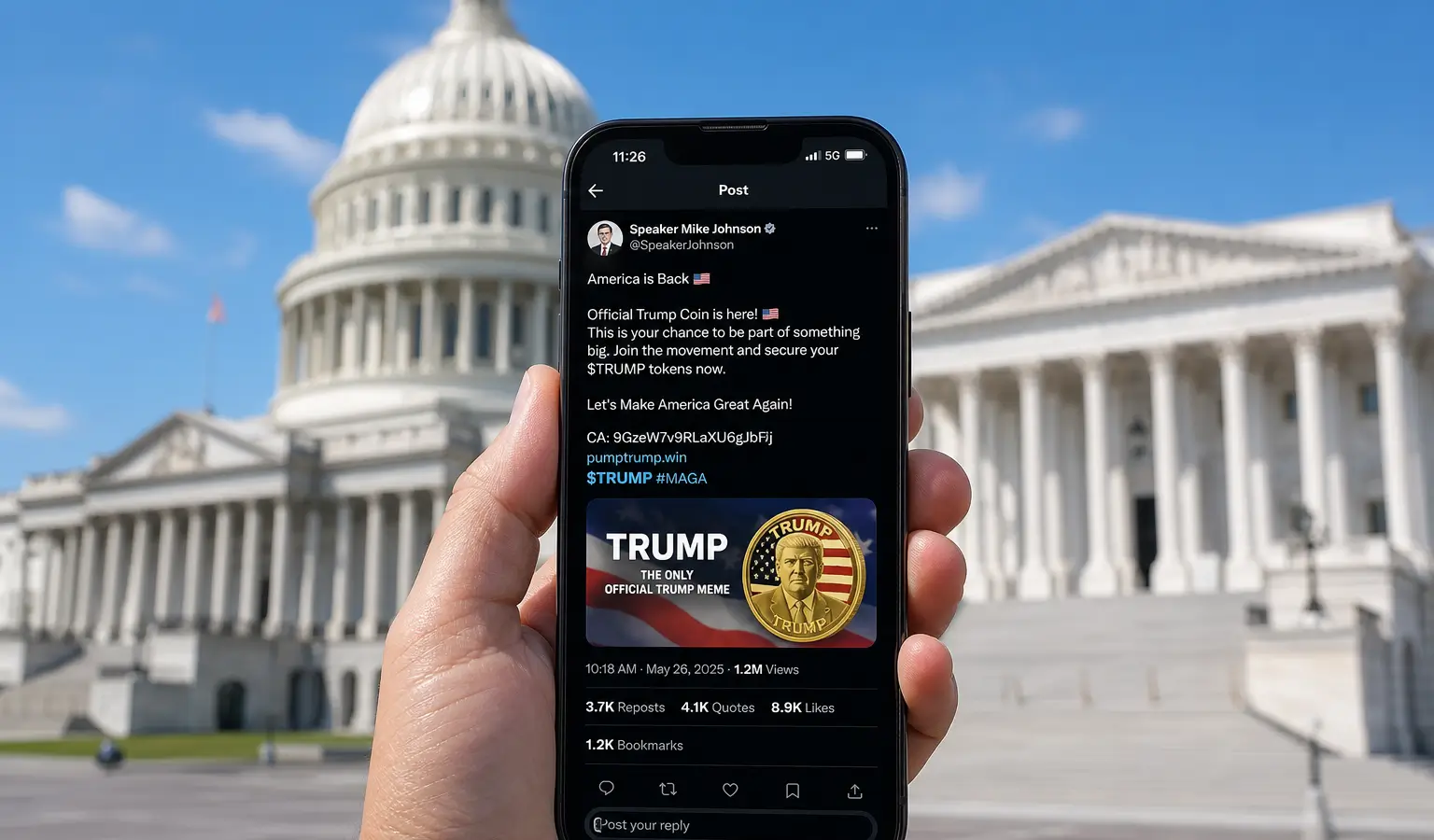
Hackers briefly gained control of U.S. Senator Cynthia Lummis’s verified X account on Wednesday and used it to push a fake Solana memecoin. The posts were gone within about five minutes, but the incident is another example of how fast a compromised political account can be turned into a crypto scam.
Fake Token Through Verified Account
The posts claimed a so-called $USA Token was being promoted and said it had been “officially created by our team.” One post featured an American flag and linked to pump.fun, a site where users can launch a Solana memecoin in minutes. A screenshot from Bitcoin Archive showed the post had about 5,600 views and 37 replies before it was removed.
A few nearly identical posts appeared over a short span, each pointing to a different token page. Within minutes, crypto users were warning followers not to touch it. As of publication, Lummis’s office had not released a statement about the breach.
Why Lummis Is Especially Sensitive
The incident lands on a senator who is widely seen in Washington as one of the strongest supporters of the Digital Asset Market Clarity Act, or the CLARITY Act. The bill would divide crypto oversight between the SEC and the CFTC and set rules for digital commodities, investment contract assets, and payment stablecoins. It also includes consumer protections, including a requirement that custodians keep customer funds separate.
For European crypto readers, the broader takeaway is that hacks like this are not just a security problem. They can also influence the political conversation around crypto. When one of the loudest voices for clearer rules gets targeted by a scam, it shows how exposed and politically charged the industry has become. The timing is even more relevant because the CLARITY Act also sets aside additional resources to fight crypto fraud, as discussed in the extra enforcement funding for crypto fraud.
Wave of Account Takeovers
The timing stands out even more because it comes just six days after the hack of Robinhood CEO Vlad Tenev’s X account. In that case, attackers pushed a token called Vladhood and reportedly made about $1.2 million (€1.1 million). Earlier this month, the SpaceX and Starlink accounts were also used in a rug pull tied to SCATMAN, which brought in about $125,000 (€109,800).
X began adding extra restrictions for first-time crypto posts in April, but the wave of scams has continued anyway. In this case, the fake token itself does not appear to have had any real liquidity, while SOL was trading around $73 (€64), nearly 1% lower on the day and about 60% below its level from a year ago.