Luxor Raises $16 Million for AI Hardware and Compute Trading
The round, led by CMT Digital, should help Luxor expand from Bitcoin mining into AI hardware and contracts for future compute.
Key Takeaways
- Luxor Technology raised $16 million to further expand its AI hardware brokerage and compute trading.
- The funding round was led by CMT Digital, with participation from Canaan and MicroBT.
- Luxor is focusing on contracts for future compute and sees many Bitcoin mining sites as suitable for AI workloads.
Luxor Technology has raised $16 million (€14.3 million) to further expand its AI hardware brokerage and compute trading. The crypto company, best known for services for Bitcoin miners, is moving further toward AI infrastructure and contracts for future compute capacity.
A New Step for Luxor
The round was led by CMT Digital. Bitcoin mining manufacturers Canaan and MicroBT also took part. Luxor said the money will be used for the AI hardware brokerage and the trading business around compute. Part of the round consisted of new investments, while existing shares were also sold. The company did not say how large that second part was.
The move fits into a broader trend among Bitcoin miners. More and more companies are renting out compute or converting their mining sites into data centers for AI workloads. At the same time, not everyone is leaving mining behind. Nasdaq-listed NIP Group announced last week that it wants to increase its mining capacity by about 48%.
From Mining to AI Contracts
Luxor is not only trying to trade hardware, but also to offer contracts that let buyers and sellers lock in a price for future compute. That is similar to the financial contracts miners have long used to hedge swings in their revenue. According to Luxor CEO Ethan Vera, the software company works with Bitcoin miners that together represent almost two gigawatts of power.
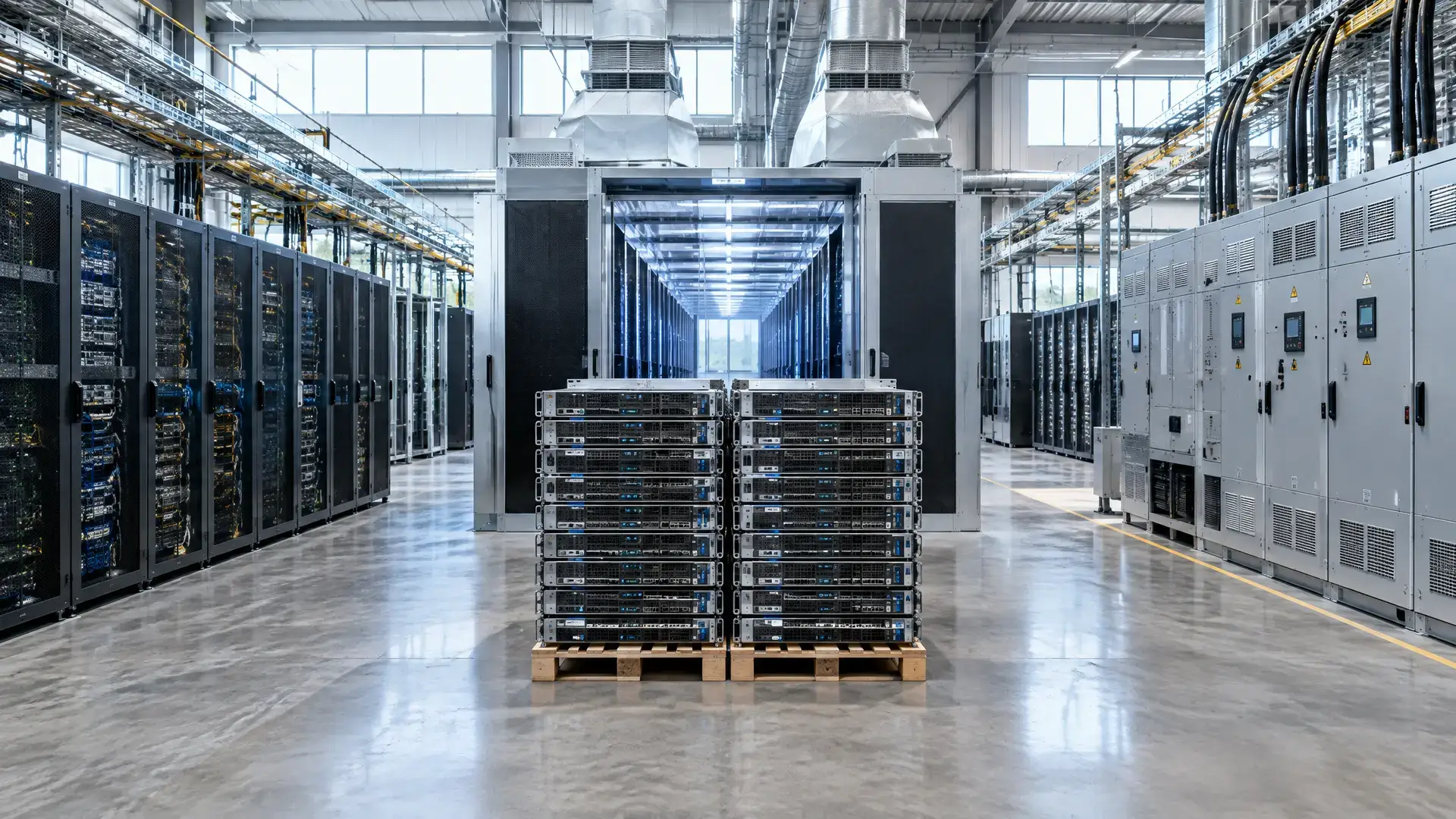
After an initial review of more than half of that capacity, Luxor found that many sites have enough power and fiber optic connections for AI workloads, but often still need new data centers. Vera also said transparency is still a problem, especially when it comes to AI hardware prices. In August, Luxor already introduced a price index for Nvidia AI servers so buyers and sellers have a reference point for hardware prices.
Why This Matters
Luxor's move shows how close the worlds of Bitcoin mining and AI infrastructure have become. For European crypto followers, that matters because demand for compute is no longer just about mining, but also about broader infrastructure for AI. That could change the role of crypto companies, especially now that the market for AI hardware and compute is growing fast. CoreWeave also shows how capital-intensive that AI buildout is: investors are paying more and more attention to debt, financing, and whether growth is actually turning into revenue.